
Review · THE PHILIPPINES
Manila: Chinatown Nighttime Tour by Tuk-Tuk
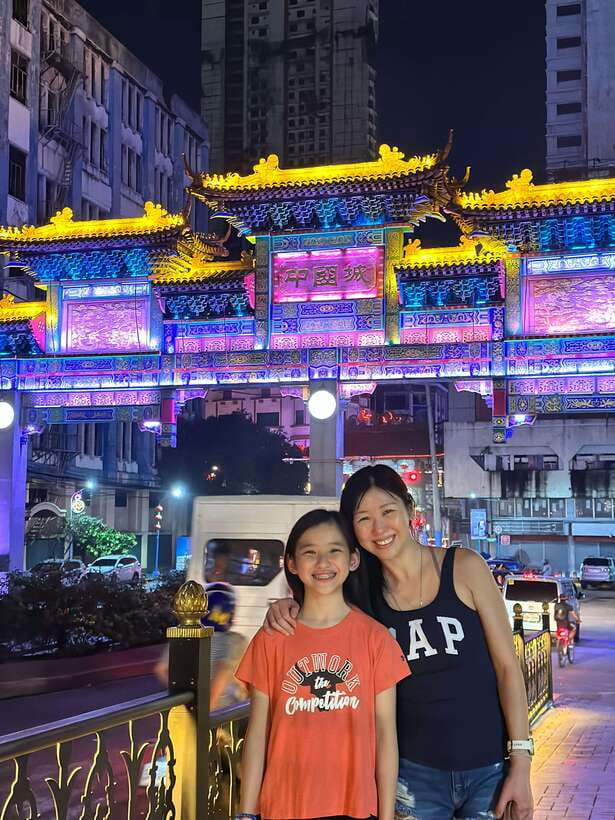
Manila’s Chinatown is at its most vivid after sunset, when Ongpin Street fills with food stalls, glowing signs, Chinese shops, and temple lights. This two-hour tuk-tuk tour gives you a practical way to see the area without having to work out every turn on your own.
I like the mix of transport and walking, especially the ride across old Manila and the chance to try local foods such as penoy, skewers, and local beer. I also like that guides including Floyd and Venus have helped people feel at ease in an area that can seem daunting at first. The main drawback is that two hours goes quickly, so this is an introduction rather than a full Chinatown food tour.
Key points at a glance
- Start at Binondo Church: See one of Manila’s oldest landmarks before entering the evening streets of Chinatown.
- Ongpin Street after dark: Expect neon signs, Chinese restaurants, food shops, market activity, and plenty of visual energy.
- Tuk-tuk transport: The small vehicle helps cover more ground than a walking tour while keeping you close to the street scene.
- Jones Bridge views: Cross the illuminated bridge for views of old and modern Manila along the Pasig River.
- Pasig River finish: End with a calmer walk beside the river and reflections from the city lights.
- Small English-speaking group: With no more than 10 people, you get a more personal outing than on a large city bus.
Why this Chinatown tour works after dark
Manila’s Binondo district is not a polished, single-attraction version of Chinatown. It is a working part of the city, with food businesses, markets, religious buildings, traffic, and ordinary evening life all packed close together. That is the appeal, but it can also be a lot to take in if you are exploring alone.
The tuk-tuk gives the evening a useful rhythm. You walk through the busiest spots, then ride to the next area instead of spending the whole two hours on foot. You also see the streets at eye level, rather than behind a large vehicle window.
I especially like the way the route links several kinds of Manila experience. You begin with architecture at Binondo Church, move into Chinese food and shopping along Ongpin Street, cross Jones Bridge for city views, and finish beside the Pasig River. It is a compact portrait of old Manila rather than a tour focused on only one sight.
The guides are an important part of this format. Floyd has led an evening that included market stops, local food, tuk-tuk rides, and a jeepney trip. Venus has also guided the tour, with an evening that included food, market walks, Chinatown by tuk-tuk, and a jeepney ride. The exact flow may vary, but the guide helps turn a busy district into a story you can follow.
More Night Tuk Tuk Tours in the world:
- Bangkok by Night: Temples, Markets and Food Tuk-Tuk Tour
★ 5.0 · 3,752 reviews - Bangkok: Markets, Temples and Food Night Tour by Tuk Tuk
★ 4.9 · 2,371 reviews - Battambang: Tuk-Tuk, Bamboo Train, Killing/Bat Caves, Sunset
★ 4.9 · 1,436 reviews
Beginning at Binondo Church
The meeting point is Bonifacio Monument at Tutuban Center Mall. From there, the tour begins at historic Binondo Church, which is lit at night and offers a strong opening to the outing.
This is not just a quick photo stop. The church gives you a sense of how long Manila’s Chinese Filipino community has been part of the city. Its centuries-old architecture looks particularly striking under soft evening light, before the noise and movement of Ongpin Street take over.
You should arrive ready to move soon after meeting the guide. The tour lasts only two hours, and the route has several sections. Comfortable shoes matter because you will walk through market streets and finish with a riverside stroll.
The meeting location and activity description use Manila landmarks, although the supplied location field lists Nueva Vizcaya. If you are booking, confirm the exact meeting details with V.S Tour Services before setting out. The stated meeting point is Bonifacio Monument at Tutuban Center Mall.
Ongpin Street and the Chinatown food scene
Ongpin Street is the heart of the evening. After dark, Chinese restaurants and shops glow with signs, while food stalls and market activity give the street its quick, crowded feel.
This is where the tour becomes most useful for someone who wants local food but does not know where to start. Instead of choosing a restaurant at random, you can ask the guide what to try and how much to order. The food stops may include traditional dishes and small bites, with penoy, skewers, local beer, and other Filipino favorites specifically mentioned as part of past outings.
Penoy is a particularly memorable possibility. It is a Filipino street food made from a developing duck egg, and it may not be the first thing you would order without a guide explaining it. If you are adventurous, this is the kind of tasting that makes the evening more than a sightseeing loop.
The tour is not described as an unlimited meal, so bring extra cash for food and drinks. That is both practical and important for value. The $65 price covers the guide, water, and tuk-tuk or tricycle, but additional snacks and drinks are not listed as included.
Ongpin is also a good place to notice how food and commerce share the same street. You might pass shops selling Chinese delicacies, restaurants with bright signs, and small market areas where the activity feels local rather than arranged for sightseeing. Keep your expectations realistic: this is a city street, not a quiet culinary walk.
Riding through old Manila by tuk-tuk
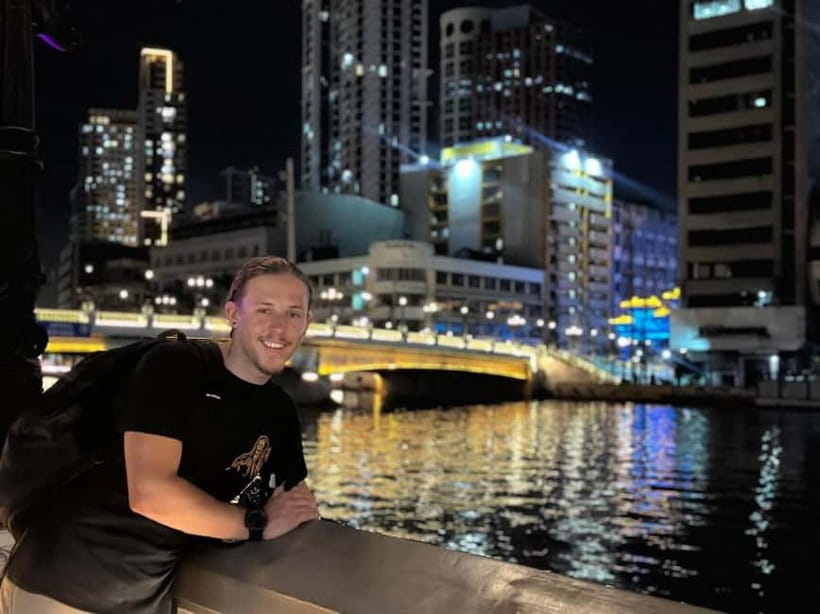
The tuk-tuk, or tricycle, is the tour’s most distinctive transport. It lets you cover more ground while keeping the ride informal and close to the action.
You will not get the same broad view as you would from a sightseeing bus. That is a benefit here. The point is to see shopfronts, traffic, signs, and people at street level. The ride adds movement to the evening and gives your feet a break between walks.
Space in a tuk-tuk is naturally limited, so the vehicle is best understood as practical local transport rather than a comfortable sightseeing coach. The small-group limit of 10 participants helps, but the group may still be split between vehicles depending on the arrangement.
Some outings with Floyd and Venus have also included a jeepney ride. A jeepney is one of Manila’s best-known forms of public transport, and it adds another local experience to the night. Since the main description lists the tuk-tuk or tricycle as included but does not promise a jeepney ride, treat that part as something that may vary rather than a guaranteed feature.
More tuk tuk tours around the world:
- True 4Hour Private Tuk Tuk Tour: Discover Lisbon with a Local!
★ 5.0 · 8,008 reviews - Porto: Guided Tour by Tuk-Tuk & Optional Douro River Cruise
★ 4.5 · 5,980 reviews - Lisbon: Private Guided Tuk-Tuk Tour with Hotel Pickup
★ 4.9 · 4,552 reviews - Private Lisbon Sightseeing Tuk-Tuk Tour: Alfama, Belém & More
★ 5.0 · 4,277 reviews
Temples, bridges, and the changing city view
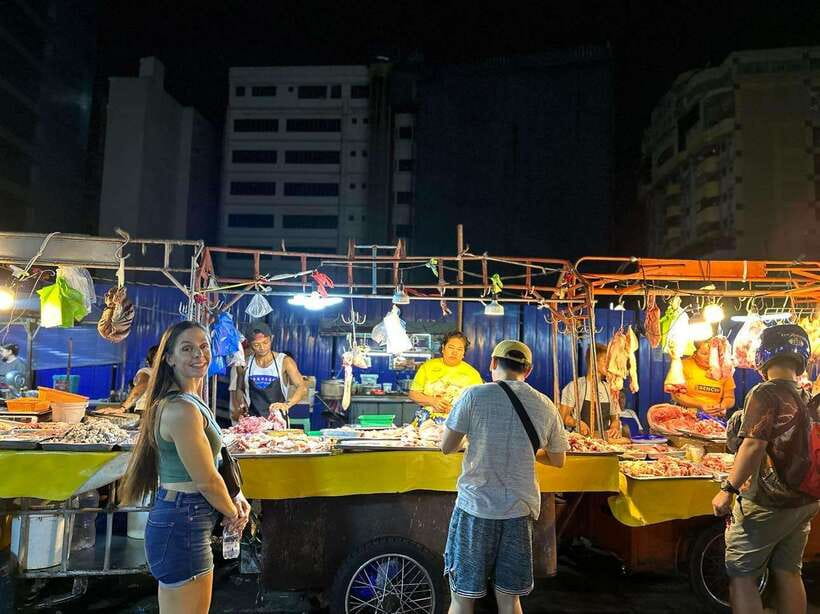
The route includes illuminated Chinese temples, which provide a quieter contrast to the food streets. At night, temple lights make these buildings especially photogenic, but you should also allow a moment to take in their role as active places of worship.
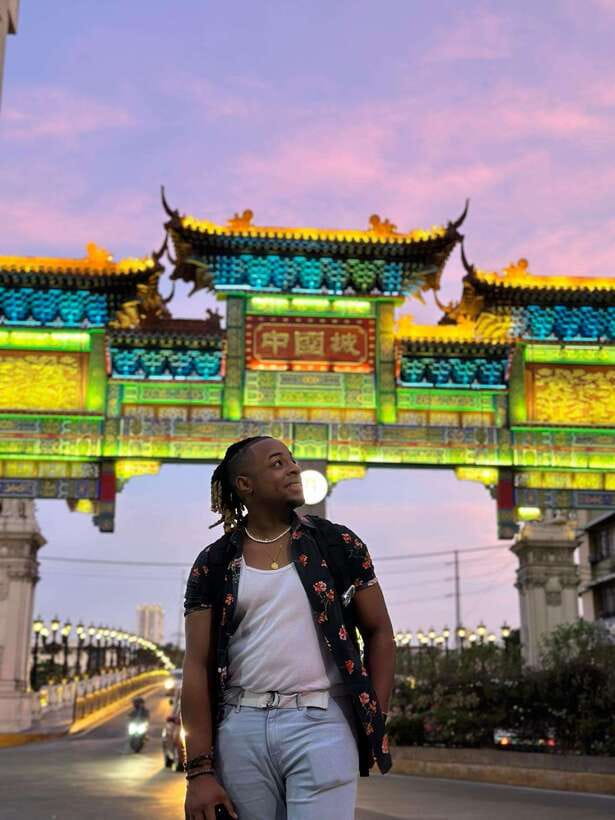
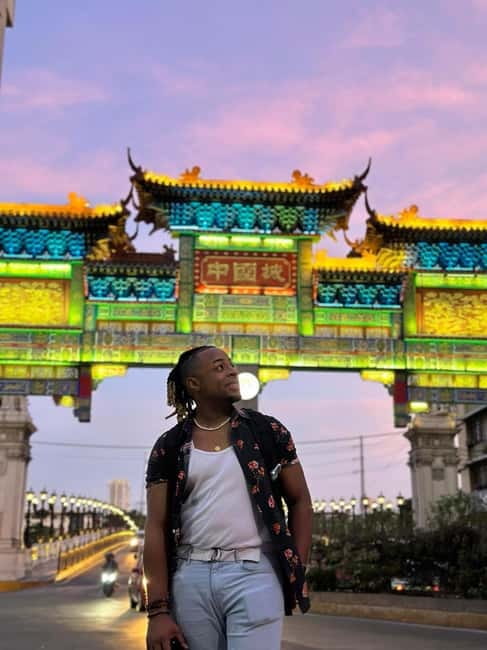
The tour then crosses Jones Bridge. This elegant bridge is one of the evening’s best transition points. Behind you is the close-packed activity of Chinatown. Ahead are views along the Pasig River, with older Manila buildings and newer city structures sharing the same view.
I like this part because it gives the tour visual variety. If the evening stayed entirely on Ongpin Street, the experience could feel crowded and repetitive. Jones Bridge opens the space and helps you see where Binondo fits within the wider city.
Your best photographs will likely come from the bridge and the riverside section, though lighting and traffic conditions will affect what you see. A phone or small camera is enough. Comfortable shoes remain more useful than dress shoes, especially if you plan to spend time walking after the bridge.
A quieter finish at the Pasig River Esplanade
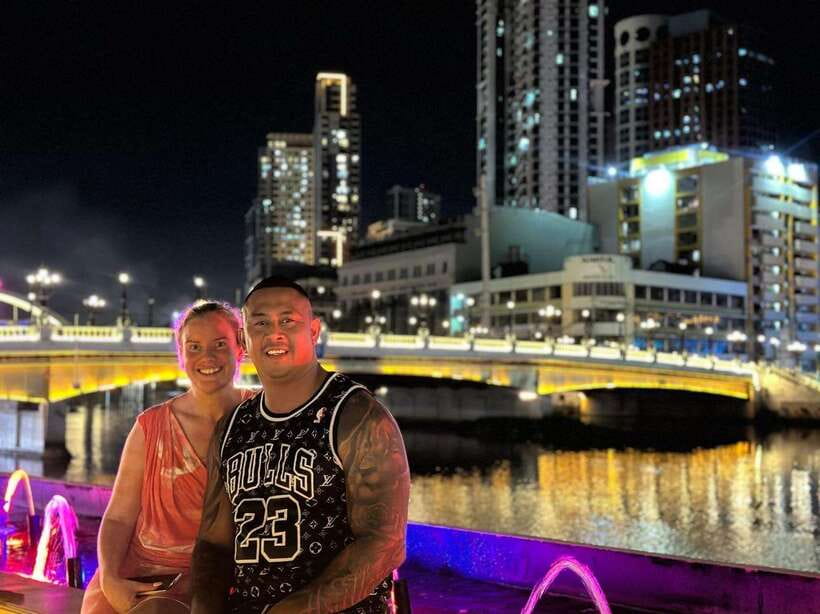
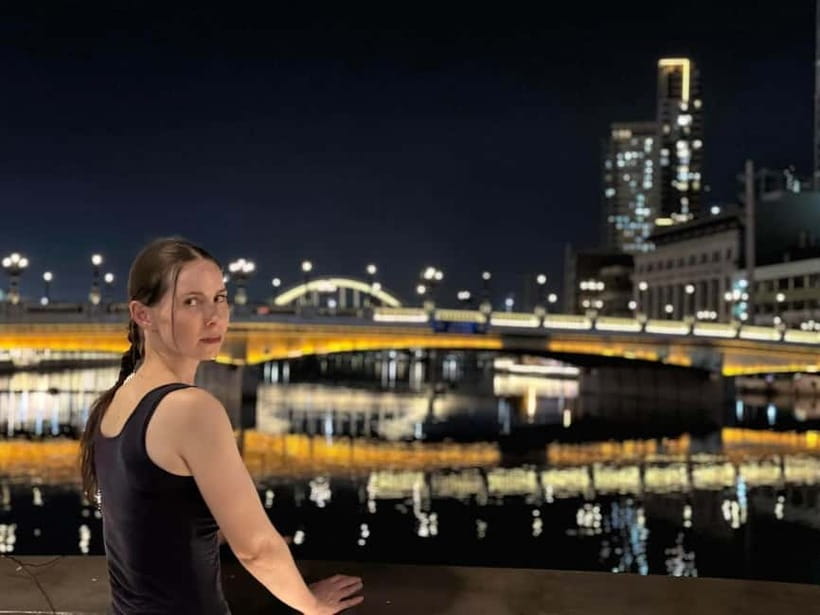
The final stop is a walk along the Pasig River Esplanade. After the noise of Ongpin Street and the movement of the tuk-tuk, this is a welcome change of pace.
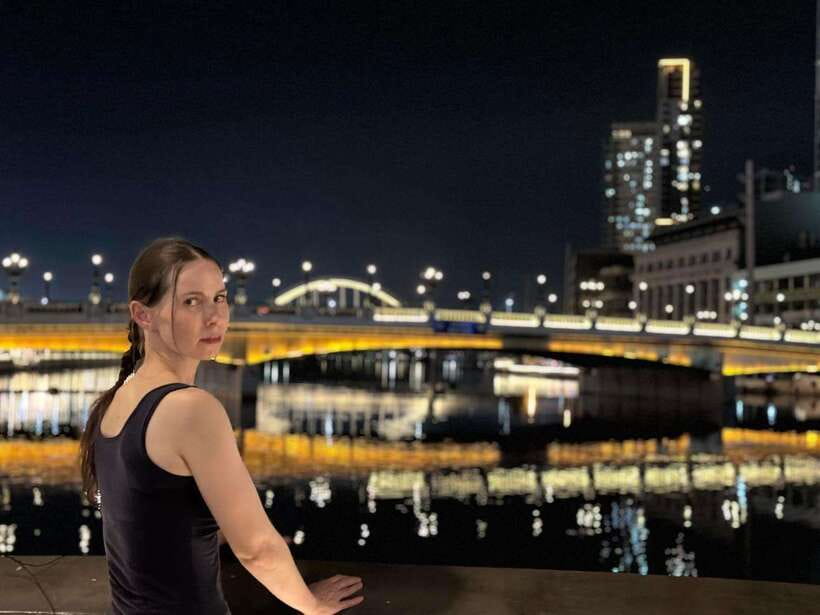
The city lights reflect on the water, creating a calmer ending than the tour’s opening. It is a chance to look back at the route, take photographs, and enjoy a short pause before returning to the city’s traffic and noise.
This final walk also makes the itinerary feel complete. You start with a historic church, pass through the commercial heart of Chinatown, rise into broader city views on Jones Bridge, and finish beside the river. For a two-hour outing, that is a well-shaped route.
Do not expect a long riverside walk. The total duration is two hours, and the itinerary has several stops. Think of the Esplanade as a closing scene, not a separate evening activity.
What the $65 price gives you
At $65 per person, this is not the cheapest way to see Binondo. You could walk through parts of Chinatown on your own and pay only for what you eat. The price makes more sense if you value a guide, local transport, and a planned route through an area you do not know.
Included are an English-speaking local guide, water, and tuk-tuk or tricycle transport. The group is limited to 10 people, which should make it easier to ask questions and stay connected with the guide than on a large group excursion.
The strongest value comes from the combination. You are not paying only for a ride or only for a food stop. You are paying for someone to connect Binondo Church, Ongpin Street, the temples, Jones Bridge, and the Pasig River in one short evening.
The price is less appealing if you mainly want a long meal or a detailed food crawl. Food and drinks are not listed as included, and the short schedule limits how long you can linger at each stop. Bring extra cash so you can buy snacks or drinks without having to skip something that catches your eye.
Who should book this experience
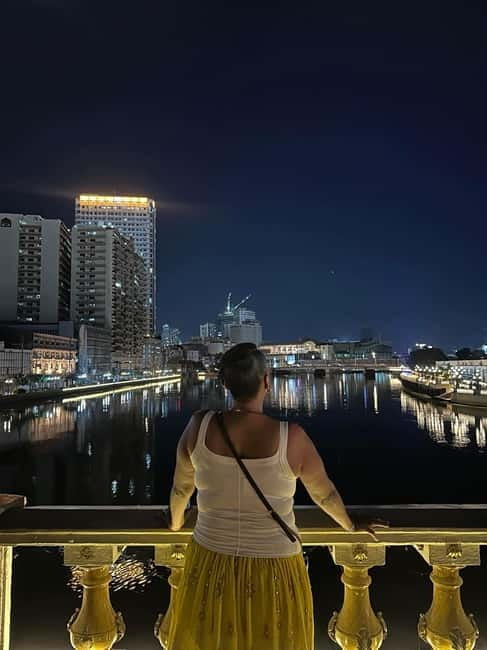
I would choose this tour if you want to see Manila’s Chinatown but feel unsure about navigating it at night. The guide-led format gives you a clearer route and a local point of contact, while the tuk-tuk keeps the walking manageable.
It also suits you if you enjoy trying foods that may be unfamiliar. Penoy, skewers, local beer, and other traditional foods can make the evening feel more personal than a standard photo tour.
The experience works well for solo visitors and small parties. The group limit of 10 is small enough to keep the outing social without turning it into a crowd.
You may want something else if you prefer museums, long historical talks, luxury transport, or a quiet restaurant meal. This is a street-level outing, and Chinatown brings traffic, noise, uneven pacing, and plenty of activity.
The guide can help you feel more secure, but a guide does not make the district calm or controlled. Wear light clothes, use comfortable shoes, and keep some extra cash handy. Those simple choices will make the evening easier.
Booking details worth knowing
The experience lasts two hours, with starting times based on availability. It is offered with a live English-speaking guide, and V.S Tour Services is the provider.
You can cancel up to 24 hours before the activity for a full refund. A reserve-now, pay-later option is also offered, which helps if your Manila plans are still shifting.
The official meeting point is Bonifacio Monument at Tutuban Center Mall. Because the location field supplied for the activity says Nueva Vizcaya while the route and meeting point are clearly described in Manila, confirm the exact pickup instructions before the day of the tour.
Should you book the Manila Chinatown Night Tour?
Book it if you want an easy, social introduction to Binondo after dark, especially if you are curious about local food and would rather not navigate the market streets alone. The strongest reasons are the street-level tuk-tuk rides, the food tasting possibilities, the bridge views, and the guide support from people such as Floyd and Venus.
Skip it if you want a slow food crawl or a long historical tour. Two hours gives you a lively taste of Chinatown, not enough time to explore every lane or restaurant.
For most people, the tour’s value lies in its balance: a little history, a little food, local transport, night photography, and a calmer river walk at the end. That is a good way to get your bearings in Manila without spending an entire day on one district.
FAQ
Where does the Manila Chinatown Night Tour meet?
Meet the guide at Bonifacio Monument at Tutuban Center Mall.
How long does the tour last?
The tour lasts two hours.
What language is the tour conducted in?
The live tour guide speaks English.
How large is the group?
The group is limited to 10 participants.
What transport is included?
Tuk-tuk or tricycle transport is included.
Is food included in the price?
Food is not listed as included. Bring extra cash if you want to buy local foods or drinks during the tour.
What should I wear?
Wear comfortable shoes and light clothes.
Can I cancel for a refund?
Yes. You can cancel up to 24 hours in advance for a full refund.
Newly added rides around the world
- Kochi Exclusive Local Sightseeing Tuk-Tuk Tour★ 5.0 · 18 reviews
- 4 Hour Private Tuk Tuk Tour in Kochi From Cruise terminal★ 5.0 · 23 reviews
- Cochin Private guided Tuk Tuk tours with pick up from cruise ships★ 4.5 · 10 reviews
- Kochi private Tuk-Tuk (Auto Rickhaw) Tour★ 4.0 · 7 reviews
- Fort Kochi Tuk Tuk Tour★ 5.0 · 28 reviews
- Fort Kochi Sightseeing Tuk Tuk Tour★ 5.0 · 80 reviews
- Fort Kochi Tuk-Tuk Sightseeing Tour with Local Guide★ 5.0 · 78 reviews
- Fort Kochi Tuk-Tuk Sightseeing Tour★ 5.0 · 28 reviews
Philippines Tuk Tuk Tours: the nearest alternatives
Discover the Real Manila with Tuktuk and Jeepney
Read our review →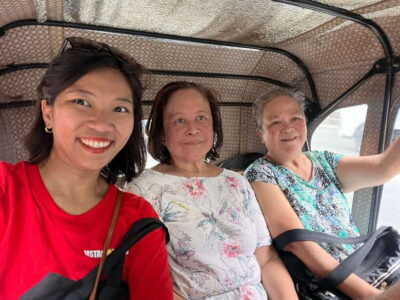
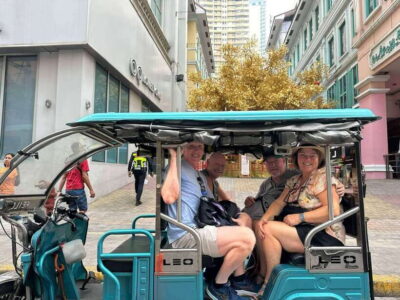
Manila Street Food and Drinks with Tuktuk Experience
Read our review →
Tuk tuk lists that include it