
Review · THE PHILIPPINES
Manila Street Food and Drinks with Tuktuk Experience
Manila reveals itself one bite and one jolt at a time on this street-food walk with a tricycle or jeepney ride. I like the generous food list, from banana cue and kwek-kwek to grilled squid and halo-halo, and I like the way guide Venus, often called V, takes you through side streets and alleys you might not tackle alone. The main drawback is clear: this is not a good choice for vegetarians or vegans.
The two-hour route also means you need to pace yourself. With six to ten tastings, drinks, walking, and local transport packed into a short visit, this is best for people who arrive hungry, curious, and ready for a fast-moving introduction to Manila food culture.
Key points to know before booking
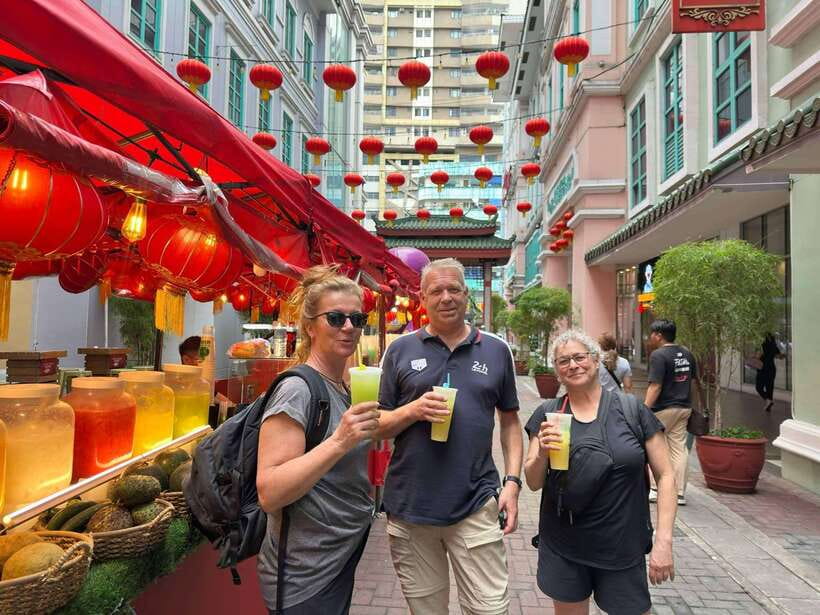
- Six to ten Filipino tastings: Expect a mix of sweet, savory, fried, grilled, noodle, soup, seafood, and dessert dishes.
- Venus, or V, leads the walk: She speaks English and Tagalog and is known for helping with photos and busy street crossings.
- A real street-level route: You walk through markets, alleys, local stalls, and family-run eateries beyond the usual Intramuros circuit.
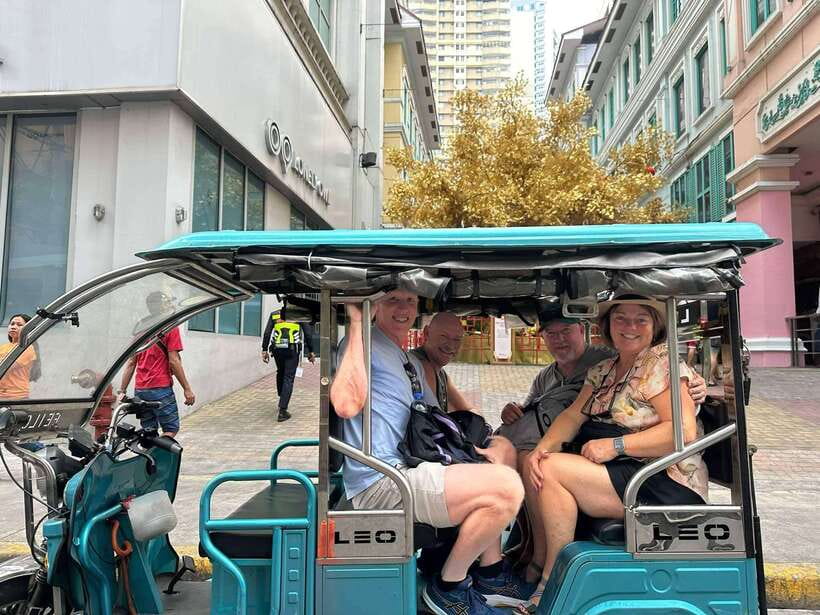
- Transport is part of the fun: Your experience includes either a jeepney ride or a colorful tricycle ride, described as a Lamborghini tricycle.
- Two hours goes quickly: You get a lot of food and movement in a short time, so ask questions as you go.
- Come hungry, but check the menu: Pregnant people, vegetarians, and vegans should not book this experience.
Manila food culture in two fast-moving hours
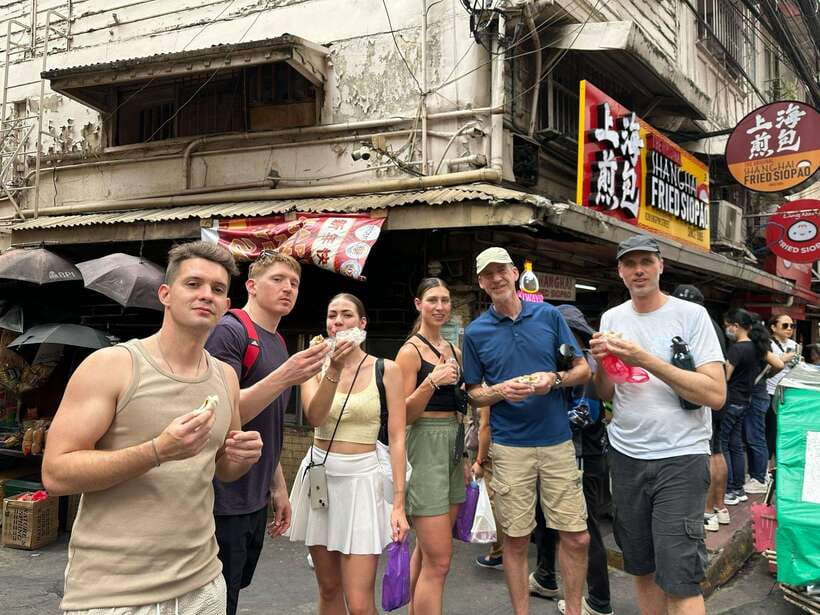
This is not a sit-down meal with a fixed menu. It is a short walk through Manila’s everyday food scene, with stops at stalls and small eateries along the way.
I like that setup because Filipino food makes more sense when you see where people buy it and how it is served. A grilled skewer, a cup of noodles, or a sweet rice snack feels different when you are standing near the cooking stall instead of reading about it on a menu.
The tour includes six to ten food selections, depending on the route and availability. That is a generous amount for two hours. You may try fried snacks, noodles, soup, seafood, fruit with shrimp paste, and dessert, along with water or a refreshing juice.
The pace matters. You are not likely to linger over each dish for a long time. Think of this as a guided tasting route, not a leisurely lunch. If you want to photograph the food or ask about an ingredient, do it at each stop rather than waiting until the end.
More Tuk Tuk Food Tours in the world:
- Bangkok: Midnight Food Tour by Tuk-Tuk
★ 4.9 · 2,054 reviews - Bangkok: Michelin Guide Street Food Tour by Tuk Tuk
★ 4.4 · 1,274 reviews - Xi’an Evening Food Tour by TukTuk
★ 5.0 · 715 reviews
Starting at Tutuban Center Mall
The meeting point is Tutuban Center Mall Bonifacio Monument. Once you arrive, ask mall security where to find the tour meeting point.
That advice is worth taking seriously. A large mall and transport area can be confusing, and the tour does not include a general hotel pickup. You need to make your own way to the stated meeting location and be ready for a walking tour from there.
The route is listed in Nueva Vizcaya, while the meeting point and the food experience described here are in Manila. Confirm the exact location and starting time when you book, especially if you are staying far from the Tutuban area.
The tour requires advance booking 24 hours before the start time. Starting times depend on availability. Free cancellation is available up to 24 hours ahead, and the reserve-now, pay-later option can help if your Manila plans are still shifting.
Banana cue, camote fries, and turon
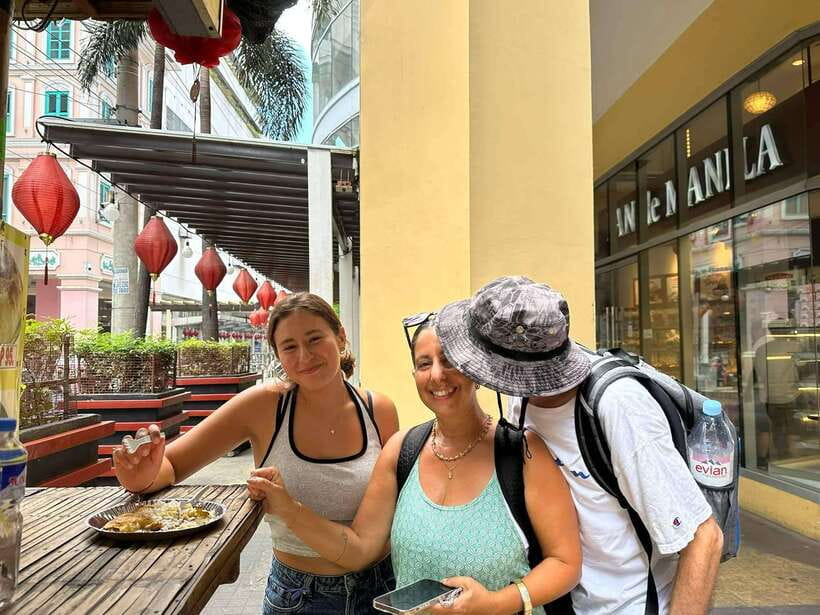
The early tastings introduce you to the Filipino love of sweet fried snacks.
Banana cue is banana coated in caramelized sugar, while turon is a fried banana roll. Camote fries bring sweet potato into the mix. These are simple foods, but they show how Filipino street snacks often sit between dessert and quick fuel.
I would pay attention to texture here. The appeal is not only sweetness. You get crisp fried edges, soft fruit, and sticky caramel. Eating these at a local stall also gives you a better feel for how ordinary snacks fit into daily life.
Because the tour includes several sweet items later, try not to fill up at the first stop. Take a few bites, ask what you are eating, and save room for the savory food ahead.
Kwek-kwek, siomai, and street-side comfort food
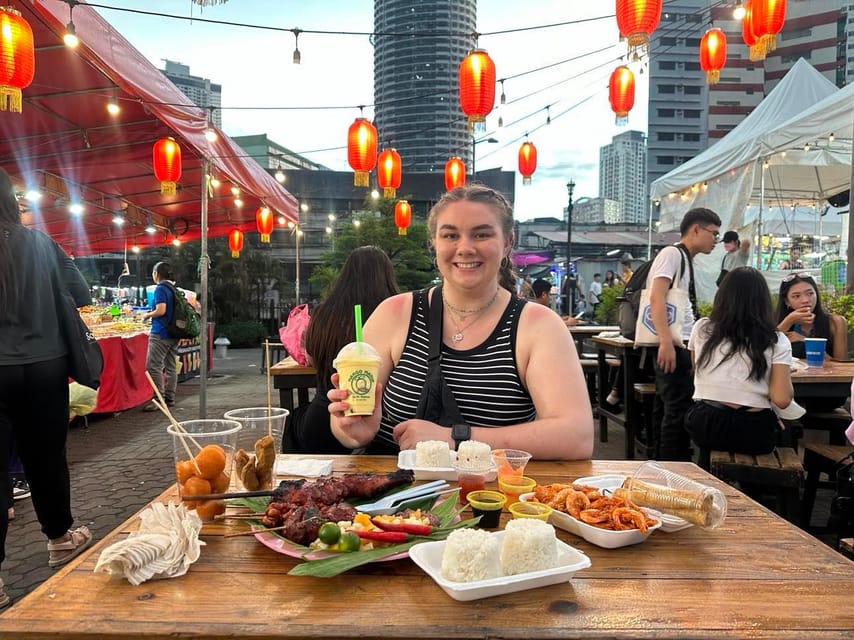
Kwek-kwek is one of the more recognizable Filipino street foods on the list. It consists of quail eggs in orange batter, usually fried and served with a dipping sauce. The bright color can make it look more dramatic than it tastes, but it is a useful introduction to Manila’s fried snack culture.
Siomai brings a familiar dumpling-style bite to the route. You may find the flavors easier to recognize if you are still getting used to Filipino ingredients. That makes it a good middle point between familiar comfort food and more unusual stops.
The guide can explain what you are eating and help you ask questions. Venus, also called V, is specifically noted for being friendly, helpful, and willing to assist with photos. That matters on a food walk, since your attention is split between traffic, cooking stalls, companions, and the plate in front of you.
More tuk tuk tours around the world:
- True 4Hour Private Tuk Tuk Tour: Discover Lisbon with a Local!
★ 5.0 · 8,008 reviews - Porto: Guided Tour by Tuk-Tuk & Optional Douro River Cruise
★ 4.5 · 5,980 reviews - Lisbon: Private Guided Tuk-Tuk Tour with Hotel Pickup
★ 4.9 · 4,552 reviews - Private Lisbon Sightseeing Tuk-Tuk Tour: Alfama, Belém & More
★ 5.0 · 4,277 reviews
Sotanghon soup, palabok, and Filipino pansit
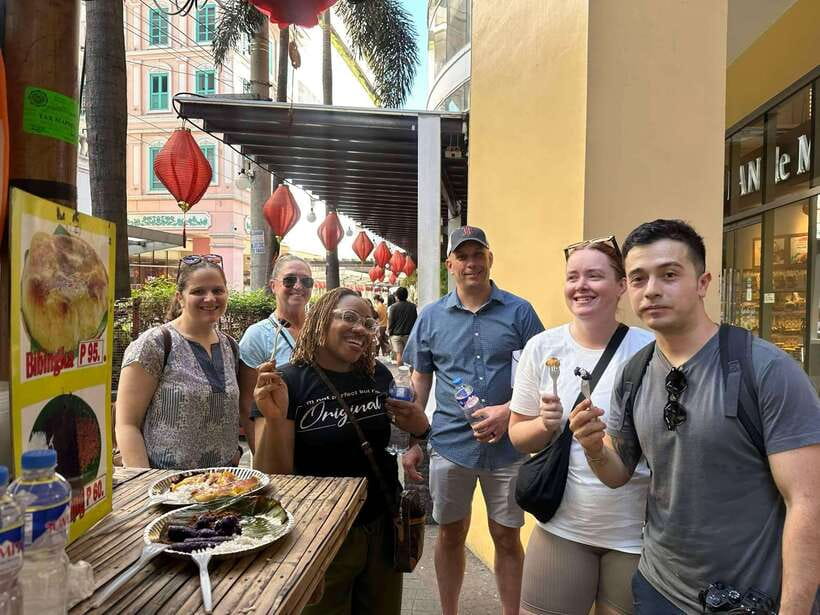
The noodle portion gives the tour more substance.
Sotanghon soup is a Filipino noodle soup, while palabok is a noodle dish with a savory sauce and toppings. Filipino pansit adds another style of noodles to the tasting. These dishes help show that Filipino street food is not all skewers and fried snacks.
I like this part of the menu because it gives you a better range of local cooking. You get broth, noodles, sauce, and toppings instead of tasting only one narrow category of snack food.
You should still expect small portions rather than a full bowl of every dish. The aim is variety. If you enjoy noodles, ask the guide how the dishes differ and which ingredients are most typical.
Grilled squid and mango with shrimp paste
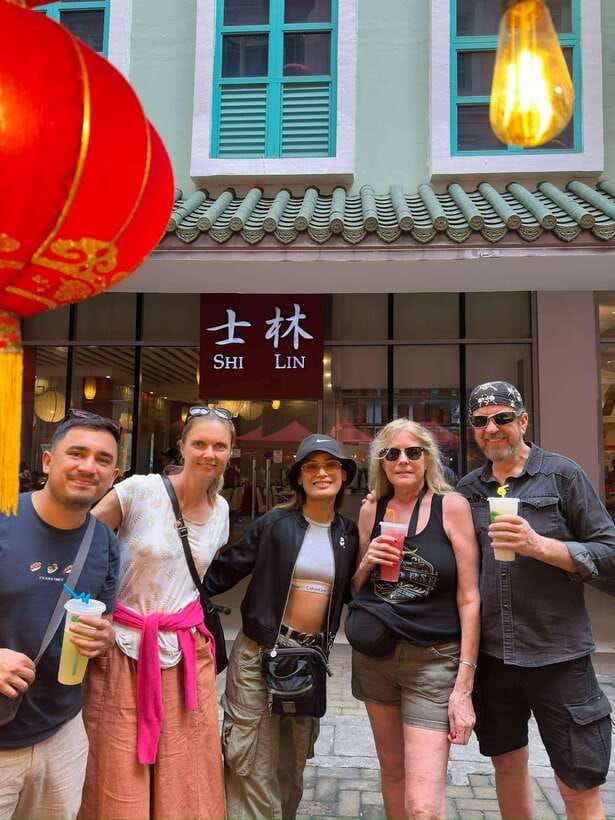
The grilled squid adds a smoky, savory stop. Seafood is part of the listed tasting selection, and grilled squid gives the route a different texture from the fried food earlier.
Mango with shrimp paste is a sharper combination. Sweet fruit meets salty, savory shrimp paste, creating the sort of contrast that may be new to you. It is also a useful reminder that Filipino snacks do not always separate sweet and savory flavors neatly.
This is one reason I would not book the tour if you want a predictable menu. The food list includes familiar dishes, but it also includes strong flavors and combinations. You should arrive willing to try small bites without needing to love everything.
Halo-halo and a final sweet stop
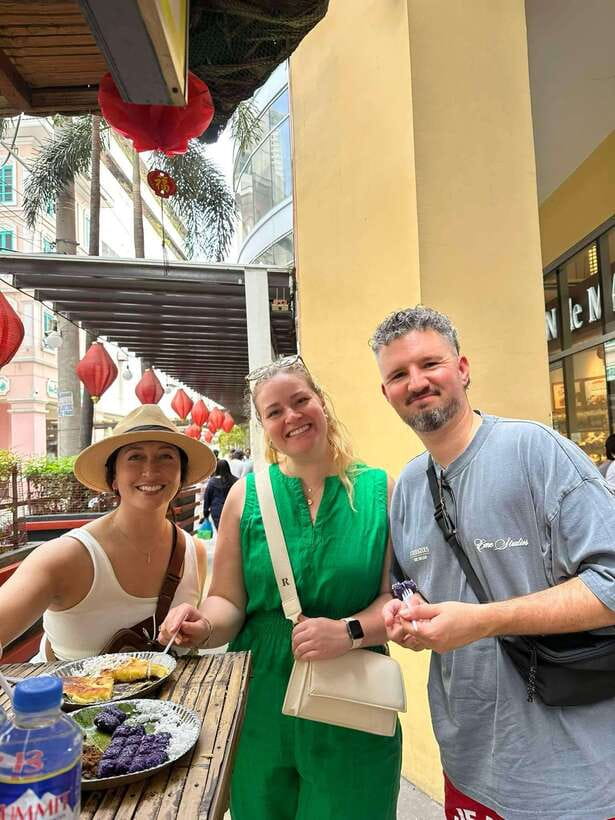
Halo-halo is the grand finish. The name means mixed together, and the dessert usually combines several ingredients with shaved ice and a sweet, creamy element. The exact contents can vary, but the experience is about mixing everything before eating it.
After fried snacks, soup, noodles, seafood, and fruit with shrimp paste, halo-halo gives you a cool and sweet finish. It also makes the route feel like a real progression through Filipino food rather than a random set of samples.
Water or a refreshing juice is included. Other local drinks may be available during the route, but the stated inclusions do not promise a long drink menu. If hydration matters to you in Manila’s heat, bring your own water as well.
Riding through streets and alleys by jeepney or tricycle
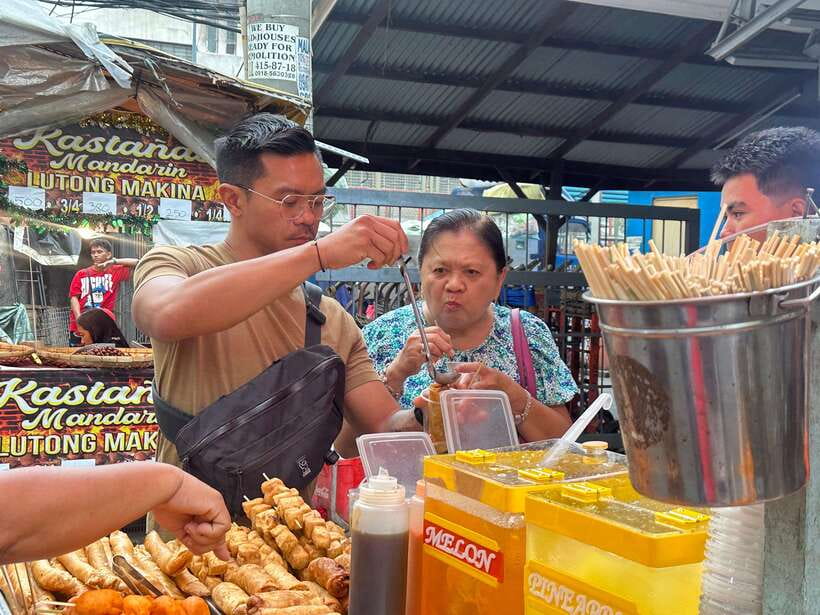
The food is only half of this experience. You also ride through local streets in a jeepney or colorful tricycle, described in the tour details as a Lamborghini tricycle.
A jeepney ride gives you a taste of one of the Philippines’ best-known forms of local transport. A tricycle feels smaller and more personal. The exact vehicle can depend on the route and local conditions, so do not book expecting one guaranteed type.
The ride adds movement between food stops and lets you see areas beyond the main tourist landmarks. You pass through streets and alleys that may be difficult to navigate on your own, especially if you do not speak Tagalog or are unsure how local transport works.
There is also a practical benefit to having a guide near traffic. V is noted for helping people cross busy roads and assisting with photos. That does not turn the route into a private car tour, but it does make the street sections easier to manage.
Why the guide matters on this route
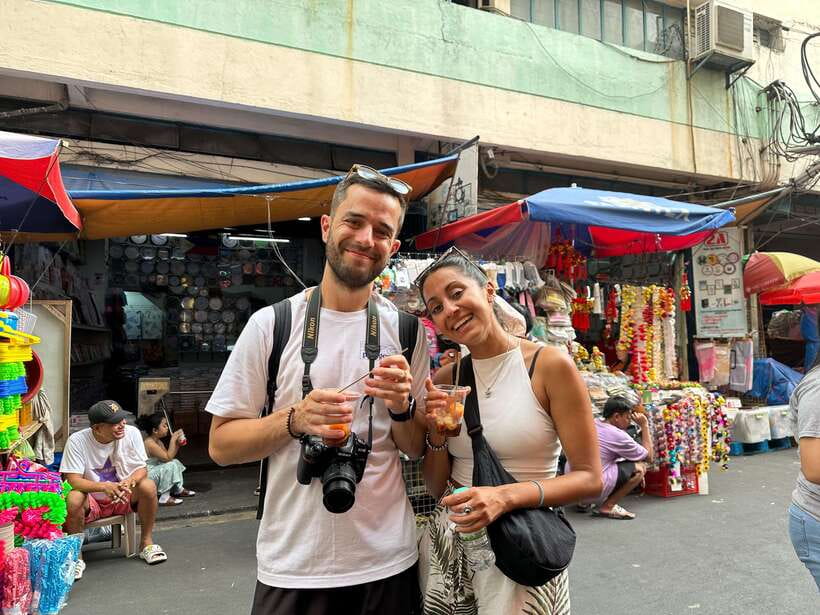
The local guide is the difference between simply eating snacks and understanding what you are eating.
The guide speaks English, with local guides also speaking Tagalog. You can ask about ingredients, preparation, neighborhood life, and the names of dishes as you go. The tour information actively encourages you to bring plenty of questions, and I agree with that advice.
Venus, or V, is the named guide connected with the strongest praise for the experience. She is described as funny, friendly, helpful, and good at supporting photos and road crossings. Those details tell you what kind of guide presence to expect: social and hands-on rather than silent or purely scripted.
That said, guide style is personal. If you prefer to wander alone and choose your own stalls, this organized route may feel too directed. If you want help entering unfamiliar food areas, it should be a better fit.
What the $61 price really covers
At $61 per person, this is not a bargain street-food crawl if you compare it only with the local price of each snack. Filipino street food itself is inexpensive. You are paying for the guide, the route, the multiple tastings, the drinks, the walking tour, and the jeepney or tricycle experience.
I see the value in the combination. A visitor could eat some of these foods for less by wandering alone, but finding six to ten stops, crossing busy roads, locating side-street stalls, and arranging the transport ride takes time and confidence.
The price makes more sense for a first visit to Manila, a short stay, or anyone who wants food and neighborhood orientation in one compact activity. It makes less sense if you already know the city well, speak Tagalog, and are comfortable choosing stalls independently.
The two-hour duration keeps the cost from turning into an all-day commitment. You can fit the tour into a larger Manila schedule, but do not expect a slow meal or a full neighborhood history lesson.
Who should skip it, and who should book
This experience suits curious eaters who want a broad sample of Filipino food without planning every stop. It is also a good match if you want a local transport ride, enjoy walking, and like having a guide handle the route through unfamiliar streets.
Families can join, including children ages three to seven with guidance. Parents should remember that the route involves walking, street traffic, hot food, and a moving vehicle. Keep young children close and follow the guide’s instructions.
The tour is not suitable for vegetarians or vegans because several dishes cannot be replaced. Pregnant women are also listed as unable to join. If you have dietary restrictions beyond those categories, the available information does not promise substitutions, so ask before booking.
Bring an appetite and a willingness to try unfamiliar flavors. Wear practical walking clothes, keep your hands free for photos and food, and expect the experience to operate rain or shine.
Rain, walking, and the practical side of the route
This is a walking tour, not a fully vehicle-based outing. The jeepney or tricycle ride is one part of the experience, while the food stops are reached on foot.
The tour operates rain or shine. That makes a light rain layer useful, and it also means you should not assume poor weather will cancel the route. Manila’s streets can be crowded and wet, so comfortable footwear is more useful than dress shoes.
The tour runs for two hours, but the amount of food can make it feel longer. Pace yourself. You can taste everything without finishing every item, especially if you are saving room for halo-halo.
The route may include busy crossings and narrow streets. This is where the guide’s help has real value, but you still need to stay alert and follow directions.
My verdict on the Manila street-food ride
I would book this if I wanted a quick, guided introduction to Filipino street food and did not want to figure out the route alone. The strongest features are the range of tastings, the chance to get beyond standard tourist streets, and the added jeepney or tricycle ride.
I would skip it if I needed vegetarian or vegan food, disliked fried or seafood dishes, or wanted a quiet restaurant meal. The $61 price is fair when you value the guide, transport, and access to local stalls, but high if you are judging it only by the cost of the food.
Book it for the first part of your Manila stay if possible. You will have time afterward to return to a dish you liked, ask for another recommendation, or explore the city with better food bearings. Most important, arrive hungry and use Venus or your guide as a local food dictionary. That is where this short tour earns its keep.
FAQ
Where does the tour meet?
The meeting point is Tutuban Center Mall Bonifacio Monument. Ask mall security where to find the tour meeting point.
How long does the experience last?
The tour lasts two hours.
What language does the guide speak?
The live tour guide speaks English. Local guides also speak Tagalog.
What food is included?
The tasting selection may include banana cue, camote fries, turon, kwek-kwek, siomai, sotanghon soup, palabok, Filipino pansit, grilled squid, mango with shrimp paste, halo-halo, and water or refreshing juice.
Is a transport ride included?
Yes. The experience includes either a jeepney ride or a colorful tricycle ride, described as a Lamborghini tricycle.
Is the tour suitable for vegetarians or vegans?
No. The tour is not suitable for vegetarians or vegans because several listed dishes cannot be eaten on the tour.
Can children join?
Children ages three to seven may join with guidance.
What happens if it rains?
The tour operates rain or shine. It is also a walking tour, so prepare for outdoor conditions.
Can I cancel the booking?
You can cancel up to 24 hours in advance for a full refund. A reserve-now, pay-later option is also available.
Newly added rides around the world
- Kochi Exclusive Local Sightseeing Tuk-Tuk Tour★ 5.0 · 18 reviews
- 4 Hour Private Tuk Tuk Tour in Kochi From Cruise terminal★ 5.0 · 23 reviews
- Cochin Private guided Tuk Tuk tours with pick up from cruise ships★ 4.5 · 10 reviews
- Fort Kochi Sightseeing Tuk Tuk Tour★ 5.0 · 80 reviews
- Kochi private Tuk-Tuk (Auto Rickhaw) Tour★ 4.0 · 7 reviews
- Fort Kochi Tuk Tuk Tour★ 5.0 · 28 reviews
- Fort Kochi Tuk-Tuk Sightseeing Tour with Local Guide★ 5.0 · 78 reviews
- Fort Kochi Tuk-Tuk Sightseeing Tour★ 5.0 · 28 reviews
Philippines Tuk Tuk Tours: the nearest alternatives

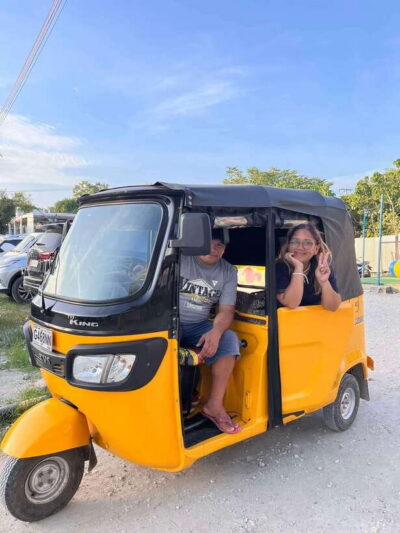
Discover the Real Manila with Tuktuk and Jeepney
Read our review →
Tuk tuk lists that include it