
Review · CHIANG MAI
Half day Best of Chiang Mai City by Tuk-Tuk Private tours
Chiang Mai’s best introduction may be a ride through its old moat-lined city in a private tuk-tuk, stopping at temples, gates, a monument, and a local market. This tour gives you the basic map quickly, without asking you to work out routes, fares, or temple order on your first day.
I like the hotel pickup and drop-off, and I like the mix of grand landmarks and everyday shopping at Warorot Market. The English-speaking guide adds context while the driver handles Chiang Mai traffic. The catch is simple: three hours is tight, and one review found the tuk-tuk’s upholstery worn and the seat uncomfortable.
Key points at a glance
- Four temples and one market: You get a broad first look rather than one long temple visit.
- Old City gates and moat: Chiang Mai’s defensive past becomes easy to understand from the road.
- Wat Chedi Luang: See the earthquake-damaged chedi that once housed Bangkok’s Emerald Buddha.
- Silver temple: Wat Srisuphan connects temple architecture with Chiang Mai’s silversmith tradition.
- Two departure times: Choose the morning or afternoon outing to fit your arrival plans.
- Hotel-to-hotel service: Pickup and return by tuk-tuk remove much of the day’s transport hassle.
Why this three-hour tuk-tuk tour works as a first look
At $55, this is not the cheapest way to cross Chiang Mai’s Old City. You could walk between some sights or hire local transport stop by stop. What you are paying for here is organization: a guide, a set route, hotel pickup, hotel return, drinking water, seasonal fruit, and a private tuk-tuk ride.
That matters most when you have just arrived. Chiang Mai’s central sights are close together on a map, but the best order is not always obvious, and market traffic can make short distances feel longer. With someone else handling the route, you can watch the streets instead of checking directions.
The tour is described as private, with a maximum of 10 people. That gives your booking more control than a large coach excursion, though the vehicle condition may vary. One passenger described the driver as steady and found it relaxing to let someone else handle the mapping after managing tuk-tuks independently in Bangkok.
I would treat this as an orientation, not a full cultural study. Four temples, city gates, a monument, and a major market in three hours means each stop receives a fairly brisk visit. If you want quiet time for detailed photography or extended worship, plan a separate visit later.
More Private Tuk Tuk Tours in Chiang Mai
- Private Chiang Mai Old City Half Day Tuk Tuk Tour
★ 4.5 · 157 reviews - Chiang Mai: Exploration of Old City by Private Tuk-Tuk
★ 4.3 · 127 reviews - Chiang Mai: Private Tuk Tuk Tour of City Temples With Pickup
★ 4.4 · 84 reviews
Riding Chiang Mai’s old moat and city gates
The ride begins at your hotel or guesthouse, with a morning pickup at 8:30 a.m. or an afternoon pickup listed at 1:30 p.m. The supplied schedule also mentions 12:30 p.m. in one place, so confirm the exact afternoon time when you book. The planned return is about 11:30 a.m. or 4:30 p.m.
The first part follows the canal or moat around the Old City. This is a useful way to understand Chiang Mai’s shape. The historic center is broadly defined by its defensive walls and water-filled moat, and the tuk-tuk lets you see those features before you step inside the old quarter.
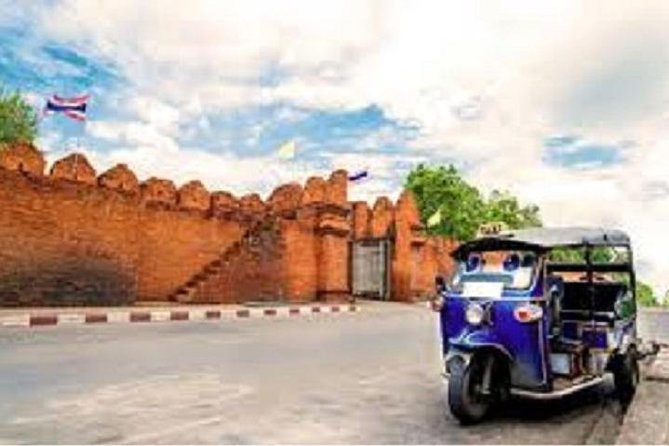
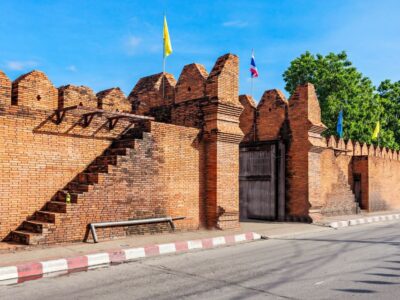
You stop at Chiang Mai Gate and Tha Pae Gate. These were part of the defensive system built to protect the city from outside attack. Today, the gates are city landmarks, but the remaining walls and moat give them more meaning than a quick photo stop would suggest.
Tha Pae Gate is especially useful for getting your bearings. It is near several central sights and is also associated with Chiang Mai’s Sunday Market. The Night Bazaar is covered later on the route, so your guide can point out where these popular shopping areas are even if they are not operating during your tour.
The tuk-tuk is a good match for this section. You get an open view of the streets and can cover more ground than on foot. At the same time, tuk-tuks are not luxury vehicles. One account describes a vehicle with torn upholstery and an old, hard passenger seat. If comfort matters to you, keep that limitation in mind before booking.
Wat Chedi Luang and the broken crown of the Old City
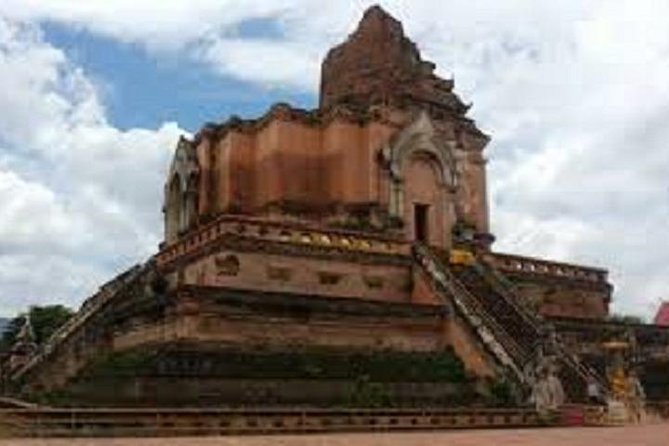
The tour then enters the Old City and stops at Wat Chedi Luang. The name means Temple of the Big Stupa, and the large chedi is one of Chiang Mai’s defining sights.
Construction began in the 14th century and continued into the 15th century. The temple once held the Emerald Buddha, now displayed at Bangkok’s Grand Palace. That detail gives Wat Chedi Luang a connection to Thailand’s national religious story, but the building itself is the reason to visit.
An earthquake in 1545 destroyed the top 30 meters of the chedi. Repairs have restored parts of the structure, but the damage around the lower edges remains visible. I find that unfinished quality more useful than a perfectly reconstructed monument. You can see the scale of the original building and also read the effects of time and disaster in the surviving stonework.
Give yourself a moment to look upward and around the base. The stop is designed as part of a rapid circuit, so you may not have a long period for quiet observation. Still, this is one of the strongest stops on the route, and your guide can explain why the chedi matters to Chiang Mai.
The tour’s formal dress instruction is important here and at the other temples. Wear clothing that covers your shoulders and knees. The information does not provide a detailed clothing checklist, but modest temple dress is the sensible choice. You will avoid an awkward interruption and be better prepared for the religious setting.
The Three Kings Monument and Chiang Mai’s city story
After Wat Chedi Luang, the route pauses at the Three Kings Monument. The stop adds civic history to a tour otherwise weighted toward religious buildings.
The monument sits in the Old City and connects with Chiang Mai’s founding story. The supplied tour details do not promise a long lecture here, so expect a short stop rather than an extended museum-style visit. It works as a visual marker of the city center and as a chance to pause between temples.
This is also where the tour’s quick pace becomes clear. You are not spending half a day at one complex. Instead, you are collecting landmarks that help you recognize the city when you explore on your own later.
I like that balance for a first visit. You see enough to decide where you want to return, but you should not book this outing expecting every stop to receive the same attention as a dedicated walking tour.
More Private Tuk Tuk Tours in Thailand
- Half-Day Private Night Tour by Tuk Tuk in Chiang Mai City
★ 4.0 · 19 reviews - Chiang Mai Tuk Tuk: Old City Private Day Tour
★ 4.3 · 13 reviews - Private Evening! Crisscross Chiang Mai’s Night by the classic Tuk Tuk
★ 4.5 · 6 reviews - Half Day Chiang Mai City and Cultural by TukTuk, Samlor & Red car (Private Tour)
★ 5.0 · 6 reviews
Wat Srisuphan, Chiang Mai’s silver temple
The next major stop is Wat Srisuphan, commonly called the Silver Temple. Its silver-colored building catches sunlight and looks very different from the brick and plaster structures elsewhere on the route.
The temple was first founded in 1501 under King Mengrai and was given the name Wat Srisuphan Aram. The building was renovated in 2004. Its most distinctive feature is the ubosot, or ordination hall, made with alloy and zinc-silver materials.
The silver work is not only decorative. Wat Srisuphan is linked to Chiang Mai’s silversmith tradition and to workshops that help keep those techniques alive. The Ancient Lanna Arts Study Centre, also known as Sala Sip Mu Lanna, passes craft skills to younger generations, and visitors are encouraged to watch artisans at work.
That makes this stop more valuable than a quick photo of a shiny building. You are seeing a local craft tradition connected to a working religious site. If the artisans are working during your visit, pay attention to the process rather than rushing straight to the next photograph.
The tour information does not guarantee a workshop demonstration or give a set amount of time inside. I would keep expectations measured. The visit offers a good introduction to the craft, but anyone especially interested in metalwork may want to return independently with more time.
Warorot Market, where Chiang Mai shops for itself
The final main stop is Warorot Market, also known as Kad Luang. On the way, the guide points out the locations of the Sunday Market and the Night Bazaar. Those references help you plan later evenings, especially if your trip includes a weekend.
Warorot is different from a market aimed only at sightseeing. Local residents shop here for food, clothing, household items, jewelry, watches, beauty products, flowers, and other daily goods. You may find fresh and dried fruit, vegetables, seafood, souvenirs, and even fireworks.
This is the tour’s clearest shift from monuments to ordinary city life. Temples tell you about Chiang Mai’s religious and artistic traditions. Warorot shows what people buy, eat, wear, and carry home.
Prices are described as among the lowest in Chiang Mai, but you still need to judge quality and value for yourself. The tour does not include personal shopping, so purchases are your responsibility. Bring room in your bag if you plan to buy dried food, small souvenirs, or other market goods.
The market can also be the most stimulating stop. There is much to see in a large indoor and outdoor shopping area, but three hours for the whole tour means you will not explore every aisle. I would use the guide’s time to identify what interests you, then return later if you want a slower shopping visit.
What the guide and vehicle add
An English-speaking guide accompanies the tour from pickup through return. The practical benefit is not only translation. A guide can connect the gates, temples, craft traditions, and market into a simple picture of Chiang Mai, which is useful when you have just arrived.
The driver also matters. One particularly positive detail is the steady driving noted by a passenger who had used tuk-tuks in Bangkok. That person enjoyed not having to manage the route personally. For many people, this is the main comfort of booking a private outing.
The less positive point is the vehicle condition. A tuk-tuk with torn upholstery or a hard, aging seat can make the ride less pleasant, especially if you are sensitive to bumps. The vehicle is part of the experience, but it is still basic transport, not a cushioned sightseeing car.
Drinking water and seasonal fruit are included, along with accident travel insurance. Souvenir photos and personal purchases are not included. The tour has a minimum booking requirement of two people, and the child rate applies only when a child shares with two paying adults.
Choosing morning or afternoon
The morning departure is the safer choice if you want the rest of the day free. You should return around 11:30 a.m., leaving time for lunch, a rest, or another visit in the Old City.
The afternoon option returns around 4:30 p.m. It can suit you if you arrive late in the morning or prefer a slower start. It also places you closer to the evening hours when you may want to visit the Night Bazaar, though the tour itself does not include evening market time.
Because the schedule is short, punctual hotel pickup matters. Have your room or guesthouse location ready and allow a few minutes before the stated pickup. The exact afternoon pickup time should be confirmed because the supplied timing appears in both 12:30 p.m. and 1:30 p.m. versions.
Who should book this Chiang Mai tour
I would recommend it to first-time visitors who want a guided introduction without committing to a full-day program. It also suits people who like photography, want to identify future stops, or would rather not arrange several tuk-tuk rides themselves.
It is a good match for couples, families, and small groups who value hotel pickup. The maximum group size is 10, and the booking requires at least two people. Most people can participate, and service animals are allowed according to the tour details.
I would choose another format if your main goal is serious temple study, a long market visit, or a comfortable air-conditioned vehicle. The route covers a lot, but its strength is range, not depth. The older tuk-tuk seat noted in one account is also worth considering for anyone who needs a smoother ride.
Should you book it?
Book this $55 tour if you want to get your bearings fast and see Chiang Mai’s main sights with transport and a guide already arranged. The combination of city gates, Wat Chedi Luang, the Silver Temple, the Three Kings Monument, and Warorot Market gives you a useful first picture of the city.
Skip it if you have several days and feel comfortable walking, hiring local transport, and planning your own temple visits. You may get more time at each place on your own. For a first morning or afternoon in Chiang Mai, though, this is a practical route with plenty of variety, as long as you accept the short schedule and basic tuk-tuk comfort.
Free cancellation is available when you cancel at least 24 hours before the start time. Last-minute cancellations or changes are not refunded or accepted.
FAQ
How long does the Chiang Mai tuk-tuk tour last?
The tour lasts approximately three hours. The planned morning return is about 11:30 a.m., and the afternoon return is about 4:30 p.m.
What time does the tour start?
The listed morning pickup is 8:30 a.m. The afternoon pickup is listed as 1:30 p.m. in the detailed schedule, while another part of the information says 12:30 p.m., so confirm the afternoon time when booking.
Does the tour include hotel pickup?
Yes. Pickup and drop-off from your hotel or guesthouse in Chiang Mai are provided by tuk-tuk.
Which temples are included?
The route includes Wat Chedi Luang and Wat Srisuphan, known as the Silver Temple. The tour is described as visiting four temples in total, though the supplied details name these two specifically.
Does the tour visit a market?
Yes. The final main stop is Warorot Market, where you can find food, clothing, souvenirs, jewelry, flowers, beauty supplies, and other goods.
Is a guide included?
Yes. An English-speaking tour guide accompanies the experience.
Is food or water included?
Drinking water and seasonal fruit are included. Personal shopping and souvenir photos are not included.
How many people can join?
A minimum of two people is required per booking. The maximum group size is 10 travelers.
Can I cancel for a full refund?
Yes, if you cancel at least 24 hours before the experience start time. Cancellations or changes made less than 24 hours in advance are not accepted for a refund.
Newly added rides around Chiang Mai
- Private Evening! Crisscross Chiang Mai’s Night by the classic Tuk Tuk★ 4.5 · 6 reviews
- Sunlight or Moonlight: Chiang Mai City Tuk Tuk Tour★ 5.0 · 7 reviews
- Half Day Chiang Mai City and Cultural by TukTuk, Samlor & Red car (Private Tour)★ 5.0 · 6 reviews
- Half Day Chiang Mai City and Culture tour by Electric Tuk Tuk (Private Tour)★ 5.0 · 4 reviews
- Chiang Mai City Tuk Tuk Tour – Half Day★ 5.0 · 45 reviews
- Full Day Chauffeur Driven Tuk Tuk Adventure in Chiang Mai including rafting★ 5.0 · 19 reviews
- Chiang Mai Street Food Tour by Tuk Tuk with Pick Up★ 5.0 · 7 reviews
- Chiang Mai Private Tuk Tuk Tour Half Day Old City Adventure★ 5.0 · 2 reviews
Chiang Mai Tuk Tuk Tours: the nearest alternatives
Chiang Mai Temples and Market Tuk-Tuk Evening Night Tour
Read our review →
Full-Day Guided Tuk Tuk Chiang Mai Adventure and Rafting
Read our review →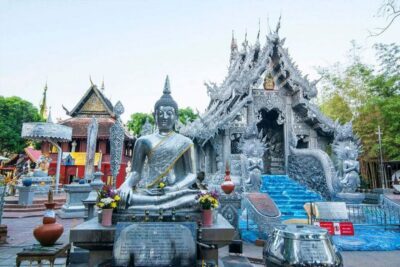
Chiang Mai: Private Tuk Tuk Tour of City Temples With Pickup
Read our review →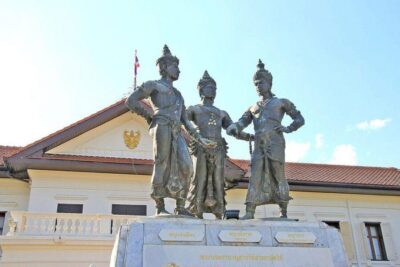

11 Day Tuk Tuk Adventure in Northern Thailand
Read our review →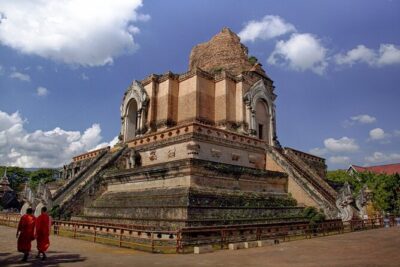
Tuk tuk lists that include it