
Review · CHIANG MAI
Half Day Chiang Mai City and Cultural by TukTuk, Samlor & Red car (Private Tour)
Chiang Mai reveals itself best from the back seat of a local ride, and this tour gives you three of them: tuk-tuk, samlor, and red car. In three to four hours, you move from the crowded aisles of Warorot Market to the old city gates and two important temples without spending half the morning figuring out routes.
I like the private format, since you can ask for more temple time, a slower market visit, or local suggestions for the rest of your stay. I also like the guides’ personal touch. Noom, Mui, Nui, Gobi, and Gubi are named in past tour accounts, with particular praise for clear English, local knowledge, and tailoring the outing to each group.
The main drawback is the short schedule. Five stops in a half-day means some visits are brief, and the three types of transport are part of the charm rather than the fastest way around town. You should also dress properly for temples and confirm that your hotel is inside the included city pickup area.
Key points at a glance
- Three ways to get around: Ride a tuk-tuk, pedal-powered samlor, and red car rather than relying on one standard vehicle.
- Warorot Market first: See where local people shop and get help identifying unfamiliar food and products.
- Private and adjustable: Your group travels alone, with room to ask questions or shape the pace.
- Five central stops: The route covers Warorot Market, Tha Phae Gate, the Three Kings Monument, Wat Phan Tao, and Wat Chedi Luang.
- Useful human guidance: Guides including Noom and Mui can add local cafe, food, cultural, and sightseeing suggestions.
- Best for a short stay: This is a quick orientation to Chiang Mai, not a slow, detailed temple study.
Why the three local rides matter
The transport is not just a way to fill the gaps between sights. It gives the outing its character.
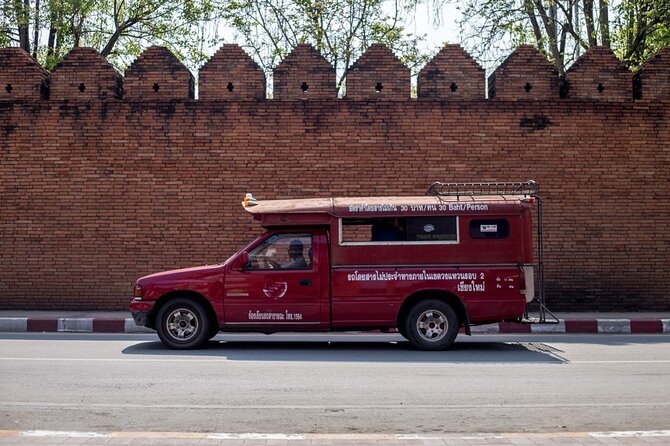
A tuk-tuk puts you close to street life, with open sides and a noisy, direct ride through the city. A samlor, or pedal-powered trishaw, slows things down and offers a very different view. The red car, a familiar shared-style vehicle in Chiang Mai, handles another part of the route.
Because the tour is private, you are not tied to the needs of a large group. You can ask your guide to explain a passing building, pause over a market item, or suggest what to do later. The experience is still tightly timed, but it should feel more personal than a fixed bus tour.
There is a practical trade-off. Three vehicles mean transfers and a little more coordination. If your only goal is to cover the sights as quickly as possible, a private car would be more efficient. If you want a first taste of how Chiang Mai moves, shops, and connects its old center, the variety is worthwhile.
More Private Tuk Tuk Tours in Chiang Mai
- Private Chiang Mai Old City Half Day Tuk Tuk Tour
★ 4.5 · 157 reviews - Chiang Mai: Exploration of Old City by Private Tuk-Tuk
★ 4.3 · 127 reviews - Chiang Mai: Private Tuk Tuk Tour of City Temples With Pickup
★ 4.4 · 84 reviews
Warorot Market, Chiang Mai’s local shopping center
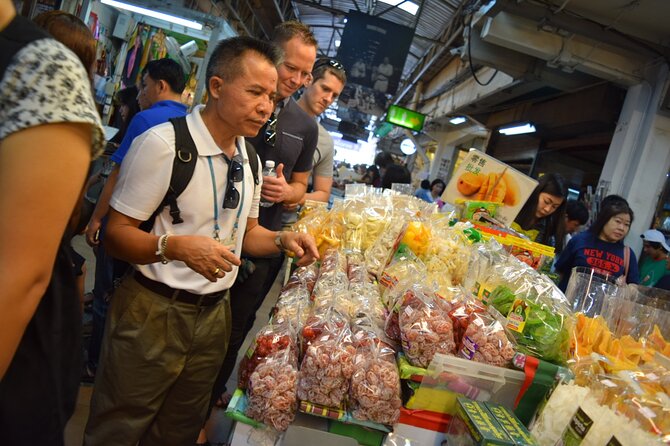
Warorot Market, also called Kad Luang, is the strongest opening stop because it gives you daily life before monuments and formal temple grounds. It is described as Chiang Mai’s biggest local market, where Thai residents do their shopping.
You have about 30 minutes here. That is enough for a useful first look, but not enough for an unhurried market crawl. Your guide can help with the language barrier and point out food items you might otherwise pass without understanding. That service matters in a place where labels and stall conversations may not be easy for an English speaker to follow.
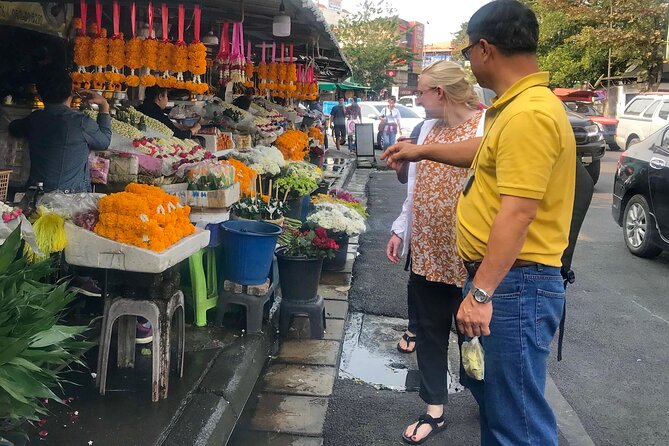
Expect an active shopping environment rather than a polished visitor center. You might find snacks, local ingredients, and other everyday goods, but the exact selection can vary. The tour does not include personal purchases, so bring money if something catches your eye.
This is also where the private format pays off. You can ask what a food is, how it is usually eaten, or what makes it common in Chiang Mai. The guide’s role is not only to move you along, but to help you read a place that would otherwise be easy to skim.
Keep your expectations realistic. Thirty minutes passes quickly, and the market can feel like a sensory rush. If markets are your main interest, tell the guide early that you would prefer to spend more time here, though doing so may shorten another stop.
Tha Phae Gate and the edge of the old city
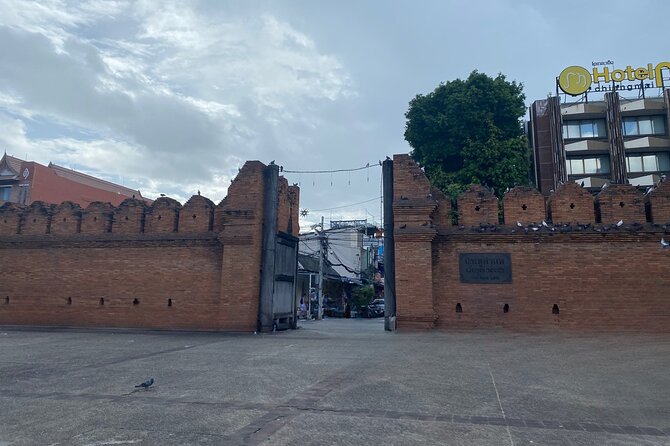
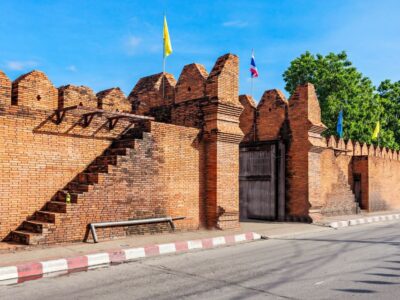
Tha Phae Gate is the main entrance to Chiang Mai’s old walled city, and the tour allows about 15 minutes for the stop. It is a brief visit, suited to getting your bearings and understanding how the old center is organized.
This is a useful transition between the modern market and the historic core. Your guide can explain the gate’s role as an entry point, then help you connect it with the city’s walls and central monuments.
Do not expect a long architectural study. Fifteen minutes gives you time to look, take photographs, and hear the basic setting. The value is orientation. After this stop, the old city is not just a collection of streets on a map. You have a clear reference point for later independent walks.
The gate can also be a busy urban spot, so the experience depends partly on traffic and timing. This is one of the places where a private tour helps, since your guide can keep the stop focused instead of waiting for a large group to gather.
Three Kings Monument and Chiang Mai’s foundation story
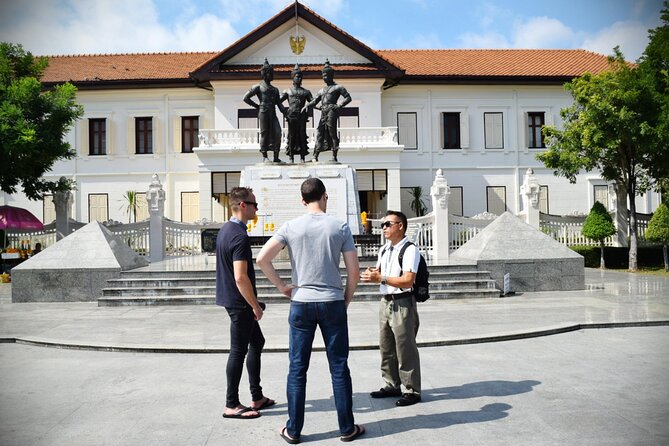
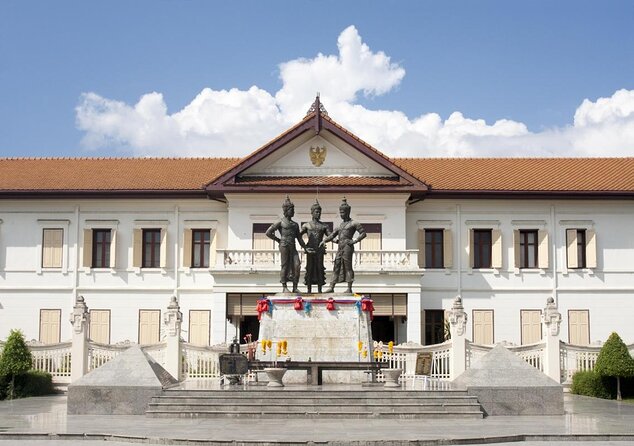
The Three Kings Monument receives another 15-minute stop. It honors King Mengrai, King Ramkhamhaeng of Sukhothai, and King Ngam Muang of Payao.
The monument gives you a compact introduction to the political figures linked with the area’s early development. The tour description notes that these rulers governed during a difficult period in the region, so your guide can provide the basic context rather than leaving you with three names and a photograph.
This is not a long museum visit. You will have a short explanation and time to look around. That works well for a first introduction, especially if you are using the tour to decide which parts of Chiang Mai deserve a longer return visit.
I would treat this stop as a story point between the gate and the temples. The monument helps explain why Chiang Mai’s old center matters, while the nearby religious buildings show how that city developed in practice. The sequence is sensible, even if each individual stop is short.
More Private Tuk Tuk Tours in Thailand
- Half-Day Private Night Tour by Tuk Tuk in Chiang Mai City
★ 4.0 · 19 reviews - Chiang Mai Tuk Tuk: Old City Private Day Tour
★ 4.3 · 13 reviews - Private Evening! Crisscross Chiang Mai’s Night by the classic Tuk Tuk
★ 4.5 · 6 reviews - Half Day Private Chiang Mai Trishaw Ride and Mae Ping River Cruise
★ 4.5 · 6 reviews
Wat Phan Tao, a teak Lanna temple
Wat Phan Tao is the first temple on the route, with about 20 minutes allotted. Its teak Lanna viharn is made from molded teak panels and supported by large teak pillars.
That construction gives the building a different feel from a stone chedi or a brightly finished modern temple. Inside, you may see temple bells, ceramics, a wooden Buddha, and manuscripts. These details reward a slower look, but the schedule allows only a compact visit.
Temple etiquette matters here. Wear clothing that covers your shoulders and knees. The supplied guidance says a short-sleeved T-shirt with long trousers is suitable for the temple visits. Dress for respect and comfort rather than assuming that casual beach clothing will be accepted.
Your guide can make the short stop more useful by explaining what you are seeing and how the wooden structure fits Lanna design. Without that context, it is easy to glance inside, take a photograph, and move on without noticing the building’s materials.
Wat Phan Tao may be the stop where you most wish for extra time. If timber architecture interests you, ask your guide to point out the teak panels, pillars, and interior objects before the group leaves.
Wat Chedi Luang and the great stupa
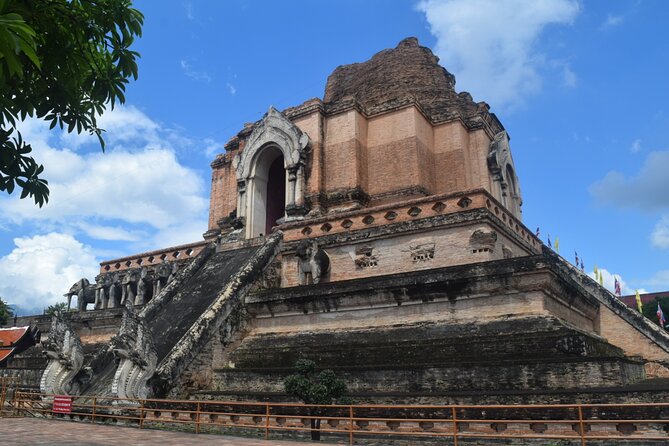
The longest stop is Wat Chedi Luang Varavihara, with about 40 minutes. That extra time is sensible. The temple is home to the Great Stupa, an imposing monument that once housed Thailand’s famed Emerald Buddha.
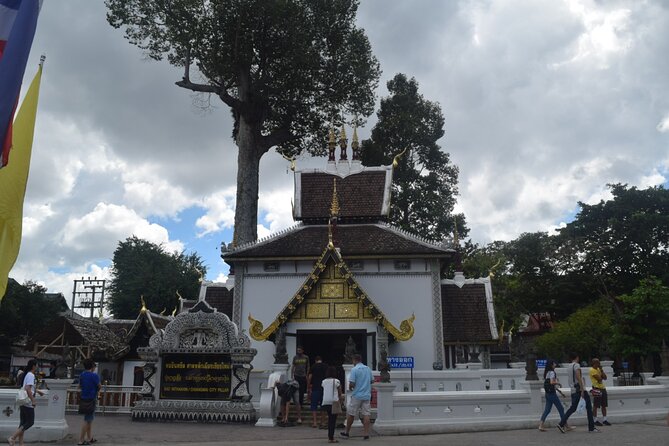
The grounds also contain Chiang Mai’s city pillar, known as Lak Mueang. These two features give the visit both a large architectural focus and a local civic connection. Your guide can help you understand why the site matters beyond its appearance.
Forty minutes is still not an exhaustive visit, but it gives you room to look carefully, listen, and take photographs without rushing every few minutes. Compared with the 15-minute monument stops, this feels like the tour’s main temple visit.
The contrast with Wat Phan Tao is useful. Wat Phan Tao is known here for its teak construction and interior woodwork, while Wat Chedi Luang brings you to a much larger religious complex centered on a great stupa. Seeing both in one short tour gives you a better sense of Chiang Mai’s range than visiting only one temple.
As with Wat Phan Tao, dress appropriately and follow your guide’s instructions about where to walk and what to photograph. Temple grounds are active religious places, not simply historic backdrops.
What the private guide adds
The guide is the key variable in this experience. The included guide is English-speaking and licensed by Thailand’s Tourism Authority. Named guides connected with past outings include Noom, Mui, Nui, Gobi, and Gubi.
The available accounts give you a useful picture of what to request. Noom is described as offering strong English, local cultural context, and a flexible approach for a family group. Mui is noted for being friendly and engaging, and for taking a group to a local cafe to share her affection for Chiang Mai. Gobi and Gubi are praised for explaining a great deal within the half-day schedule.
Names and assignments can change, so you should not book on the assumption that one particular guide is guaranteed unless the operator confirms it. Still, these details show the kind of help you can ask for: local food suggestions, a cafe recommendation, explanations of temple customs, and ideas for the rest of your visit.
Tell the guide what you care about at the start. If you want food, ask for market explanations. If you want architecture, ask for details at both temples. If you are short on time in Chiang Mai, ask for practical suggestions for your remaining days.
The $77.82 price and what you receive
At $77.82 per person, this is not the cheapest way to see central Chiang Mai. The price makes more sense for a small private group that values a guide, hotel pickup and drop-off inside the city area, and three forms of local transport.
The cost includes the tuk-tuk, samlor, and red car, an English-speaking TAT-licensed guide, bottled water, travel accident insurance, and the listed activities. You are not paying only for entrance to temples. You are paying for transport coordination, interpretation, and the ability to ask for a personal pace.
A larger group can improve the value, especially since this is a private activity and group discounts are available. A solo visitor or couple should compare the price with hiring transport independently, but remember that independent rides will not automatically provide market interpretation or cultural explanation.
Personal expenses, alcohol, soft drinks, optional tours, and pickup outside the city area are not included. Keep this in mind when comparing the advertised price with your full day’s spending.
Who should book this half-day tour?
I would recommend it most strongly if you are visiting Chiang Mai for the first time, have only a few hours, or want an introduction before exploring on your own. The route covers major central sights while giving you help with local transport and food.
It also suits families and older visitors who prefer not to walk between every stop. The private arrangement lets your group ask for clarification without worrying about strangers in a large party.
This is a good fit for people who enjoy a little variety. The rides are part of the experience, and the market adds everyday life to the temples and monuments.
I would hesitate if you want a slow photography outing, a long food tour, or detailed time at every temple. The five-stop schedule is efficient, not leisurely. You will see the main points, but you may want to return independently to the places that catch your attention.
Pickup and drop-off are included only inside the city area. Most people can participate, and the tour is near public transportation, but you should provide each participant’s passport name, number, expiry date, and country when booking. Free cancellation is available up to 24 hours before the start time. Changes or cancellations inside that window are not accepted for a refund.
Should you book it?
Book this tour if you want a fast, personal introduction to Chiang Mai rather than a transport-only sightseeing run. The market, three local rides, old-city landmarks, and two contrasting temples give you a useful first map of the city.
The best reason to choose it is the guide. A strong guide can turn a short market stop into a lesson in local food and make a brief monument visit meaningful. Ask for the cultural and food guidance you want, dress properly for the temples, and accept that the schedule will move briskly.
Skip it if your priority is independence, long temple visits, or the lowest possible cost. For everyone else, especially first-time visitors with limited time, this private half-day offers a practical way to get oriented and start the rest of the trip with better local advice.
FAQ
How long does the Chiang Mai city tour last?
The tour lasts approximately three to four hours.
Is this a private tour?
Yes. Only your group participates in the activity.
Which types of transport are included?
Transport by tuk-tuk, pedal-powered samlor, and red car is included.
Which places are visited?
The route includes Warorot Market, Tha Phae Gate, the Three Kings Monument, Wat Phan Tao, and Wat Chedi Luang Varavihara.
Is hotel pickup included?
Hotel pickup and drop-off are included for hotels inside the city area. Pickup and drop-off outside the city area are not included.
Is an English-speaking guide included?
Yes. The tour includes an English-speaking guide with a TAT license.
What should I wear for the temple visits?
A short-sleeved T-shirt with long trousers is considered suitable for the temple visits. Dress respectfully and avoid clothing that leaves shoulders or knees uncovered.
Can I cancel for a full refund?
Yes. You can cancel at least 24 hours before the experience start time for a full refund. Cancellations and changes made less than 24 hours before the start time are not accepted for a refund.
Newly added rides around Chiang Mai
- Private Evening! Crisscross Chiang Mai’s Night by the classic Tuk Tuk★ 4.5 · 6 reviews
- Sunlight or Moonlight: Chiang Mai City Tuk Tuk Tour★ 5.0 · 7 reviews
- Half day Best of Chiang Mai City by Tuk-Tuk Private tours★ 4.5 · 5 reviews
- Half Day Chiang Mai City and Culture tour by Electric Tuk Tuk (Private Tour)★ 5.0 · 4 reviews
- Chiang Mai City Tuk Tuk Tour – Half Day★ 5.0 · 45 reviews
- Full Day Chauffeur Driven Tuk Tuk Adventure in Chiang Mai including rafting★ 5.0 · 19 reviews
- Half Day Private Chiang Mai Trishaw Ride and Mae Ping River Cruise★ 4.5 · 6 reviews
- Chiang Mai Street Food Tour by Tuk Tuk with Pick Up★ 5.0 · 7 reviews
Chiang Mai Tuk Tuk Tours: the nearest alternatives
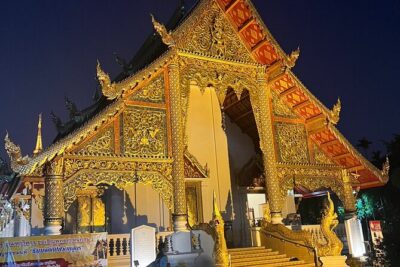
Chiang Mai Temples and Market Tuk-Tuk Evening Night Tour
Read our review →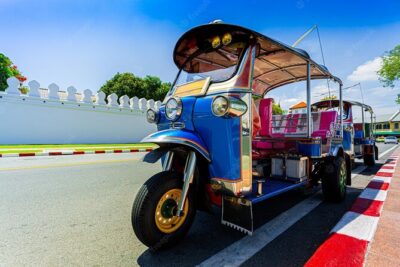
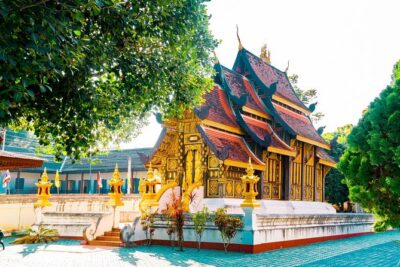
Full-Day Guided Tuk Tuk Chiang Mai Adventure and Rafting
Read our review →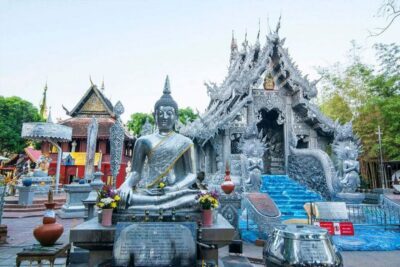
Chiang Mai: Private Tuk Tuk Tour of City Temples With Pickup
Read our review →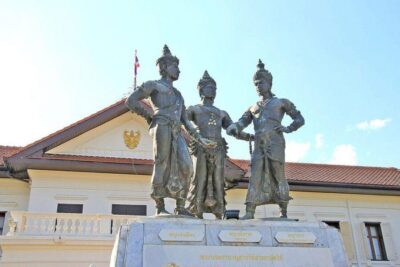

11 Day Tuk Tuk Adventure in Northern Thailand
Read our review →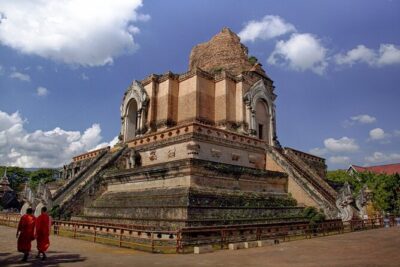
Tuk tuk lists that include it