
Review · SOUTH AFRICA
Soweto by Tuk-Tuk
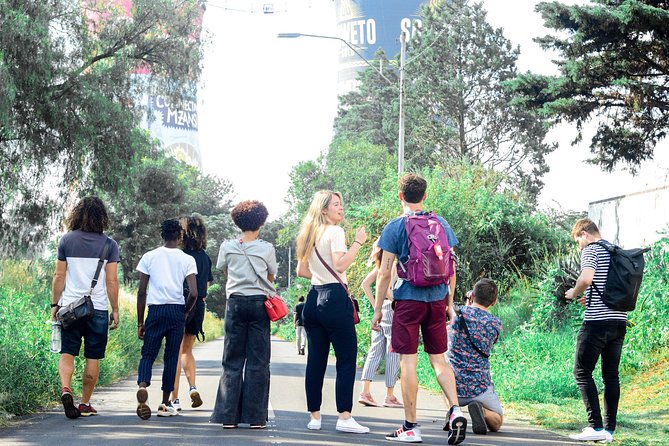
Soweto is best understood from its streets, not from a bus window. This private tuk-tuk tour moves through Orlando West and Orlando East, linking famous political sites with ordinary neighborhoods, an informal settlement, and the Soweto towers. Guide Mulalo Mphuma is known for adding personal stories to the history, which gives the ride more weight than a simple photo stop.
I like two things right away: the small private format, which lets your group ask questions and set the pace, and the mix of major landmarks with places most short visits skip. You get Mandela House and Vilakazi Street, but also a former women’s hostel, Mama Lilian Ngoyi’s family home, and a local lunch with a taste of kota.
The main consideration is timing. Two and a half hours is enough for a strong introduction, not a full study of Soweto. Several stops involve walking, and the experience includes difficult subjects such as apartheid, poverty, forced removals, and the 1976 uprising.
Key Points Before You Book

- Ride through Soweto by tuk-tuk: You cover more ground than on a walking tour while staying close to the streets and neighborhoods.
- Visit Mandela House: The famous house on Vilakazi Street is included, with about 30 minutes set aside for the visit.
- See two Nobel Peace Prize homes: Vilakazi Street is explained through the lives of Nelson Mandela and Archbishop Desmond Tutu.
- Connect history with daily life: Orlando East, Orlando West, an informal settlement, and a former women’s hostel show different sides of Soweto.
- Eat a local lunch: Chaf Pozi, beside the Soweto towers, serves lunch, and you also get a taste of the popular kota sandwich.
- Keep the group private: Only your own party takes part, with private transport, bottled water, a driver-guide, and a mobile ticket included.
Why a Tuk-Tuk Works Well in Soweto
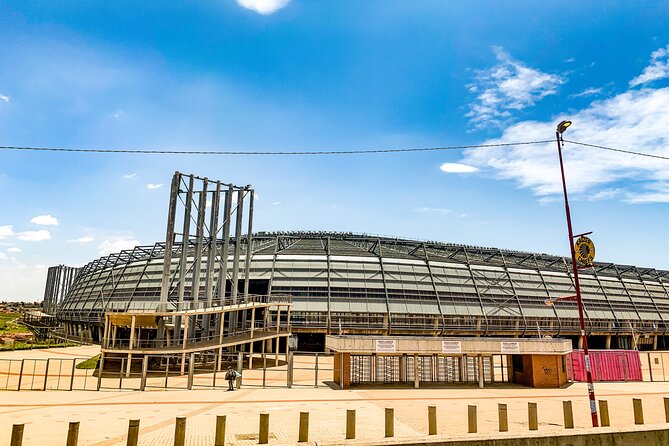
A tuk-tuk is a useful middle ground here. You are not confined to a large vehicle, yet you do not need to cover the whole route on foot. The open, compact ride helps you see the streets as you move between stops, while the guide can point out changes in housing, shops, and local meeting places.
I also like the practical rhythm of the vehicle. Soweto is spread across different sections, and a walking tour would force you to choose between seeing fewer places or spending much of the visit in transit. The tuk-tuk lets you reach Orlando East and Orlando West, then continue to sites connected with the uprising and the anti-apartheid movement.
The trade-off is comfort. A tuk-tuk is not a luxury coach, and the ride may feel exposed or snug depending on the group. The supplied details do not specify weather protection or exact seating, so ask the operator if that matters to you. The important point is that transport is private, and the driver is also your guide.
More tuk tuk tours around the world:
- True 4Hour Private Tuk Tuk Tour: Discover Lisbon with a Local!
★ 5.0 · 8,008 reviews - Porto: Guided Tour by Tuk-Tuk & Optional Douro River Cruise
★ 4.5 · 5,980 reviews - Lisbon: Private Guided Tuk-Tuk Tour with Hotel Pickup
★ 4.9 · 4,552 reviews
Starting in Orlando West
The meeting point is at Moema Street and Rampa Street in Orlando West. This is not a tour that begins with a long transfer from Pretoria. You make your own way to the Soweto meeting point, and the activity ends back there after the route.
Orlando West gives the tour a useful starting point because the area connects strongly with the public story of Soweto. The guide explains how the township was established from 1886 and places its growth within the wider story of Johannesburg and South Africa.
You should expect more than a list of dates. The route is designed to show how political change was tied to streets, homes, schools, housing areas, and community life. That approach makes the history easier to follow, especially if you know only the broad outline of apartheid.
Mandela House and Vilakazi Street
Mandela House is the clearest headline stop, and you get about 30 minutes there with admission included. The house is famous because Nelson Mandela lived there, and the visit puts a human scale on a figure who can otherwise feel distant from everyday life.
Thirty minutes is useful, but it is not a long museum visit. You will need to keep moving, especially if your group wants to hear the guide’s explanation of the surrounding street as well. If Mandela House is your main reason for booking, keep your expectations realistic: this is one part of a wider route, not a tour devoted only to the museum.
After or around the house visit, you take a walking tour of Vilakazi Street. The guide explains why this street is so well known: it is associated with two Nobel Peace Prize recipients, Nelson Mandela and Archbishop Desmond Tutu. That detail gives the street unusual political importance, but the value of the stop also comes from hearing how the area became part of Soweto’s public identity.
This is one place where a local guide matters. A plaque can tell you who lived there. A guide can connect the homes, the street, and the wider fight against apartheid. Mulalo Mphuma has been specifically praised for combining local knowledge with personal stories, though the operator does not promise that he will lead every departure.
Orlando East and the First Formal Houses
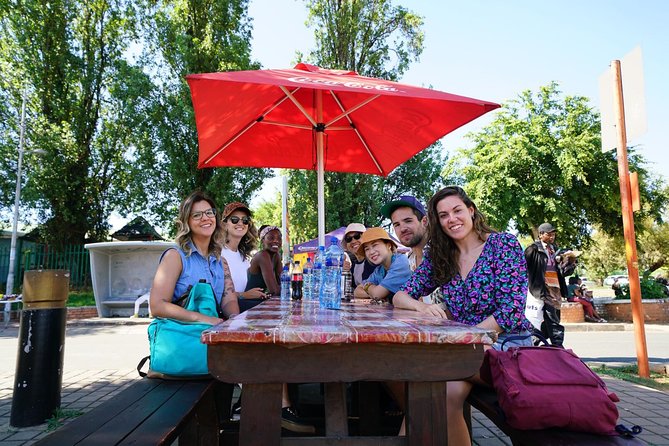
The route continues into Orlando East, described as the site of Soweto’s first formal houses. This stop helps you compare different parts of the township instead of treating Soweto as one uniform place.
That distinction is important. Soweto contains neighborhoods with different origins and different housing conditions. Seeing Orlando East after Orlando West gives you a better sense of how the township developed over time and how apartheid-era planning shaped where people lived.
The guide also discusses political figures who lived in Orlando East and West and explains how residents fought the apartheid system. This part of the tour is less about one famous building and more about linking homes and neighborhoods to organized resistance.
You should be ready for a serious conversation. The tour deals with injustice and political struggle, not only landmarks and photographs. That can be one of its strongest features, but it may feel heavy if you want a light sightseeing ride.
Same streets, seen from a different seat:
- Private Lisbon Sightseeing Tuk-Tuk Tour: Alfama, Belém & More
★ 5.0 · 4,277 reviews - Bangkok by Night: Temples, Markets and Food Tuk-Tuk Tour
★ 5.0 · 3,752 reviews - Madrid: Private City Tour by Eco Tuk Tuk
★ 4.9 · 3,465 reviews - Lisbon Highlights: Private Tuk Tuk Tour Adventure Sightseeing
★ 5.0 · 3,284 reviews
The Informal Settlement and Former Women’s Hostel
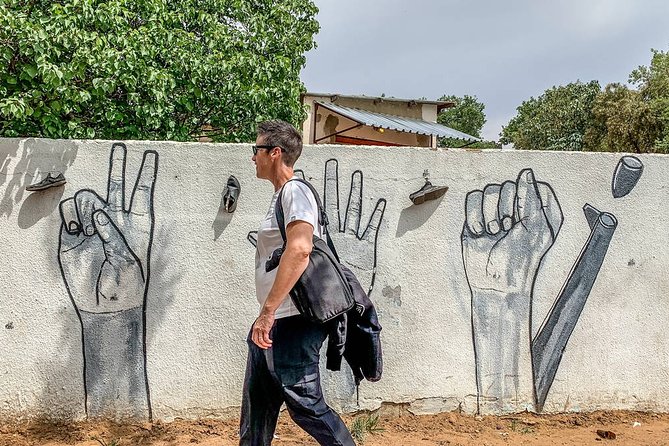
The visit to an informal settlement adds another layer to the experience. It shows challenges that are often missing from polished heritage routes and makes clear that Soweto’s story is not frozen in the apartheid era.
The information provided does not specify exactly how long you stop there or what facilities are available. Treat it as a guided look at community conditions rather than a staged attraction. You should follow the guide’s instructions, stay respectful, and avoid assuming that every part of the area is set up for sightseeing.
The former women’s hostel is another meaningful stop. Hostels are tied to the history of migrant labor and apartheid housing policies, and this visit helps explain how families and workers were affected by those systems. The tour also points to Mama Lilian Ngoyi’s family home. Ngoyi was an anti-apartheid activist, so her connection adds a women’s perspective to a story that is often told mainly through male political leaders.
These stops reward visitors who want context rather than a checklist. They may not offer the same polished presentation as Mandela House, but they help explain how political decisions shaped daily life.
Hector Pietersen Museum and the Soweto Uprising

The Hector Pietersen Museum is linked to one of the major turning points in the fight against apartheid: the Soweto uprising. The route explains how the uprising unfolded and why the event remains central to South Africa’s modern history.
This is likely to be the most emotionally demanding part of the tour. The subject involves young people, state violence, protest, and the consequences of an unjust education policy. A short visit cannot cover every detail, but the guide can place the museum and the uprising within the larger story you have been hearing since Orlando West.
The museum stop also gives the day a clear historical arc. You begin with the establishment and growth of the township, visit homes linked to major political figures, see housing areas and community challenges, and then reach a site connected to open resistance. That progression makes the 2.5-hour route feel purposeful rather than random.
Admission details beyond Mandela House are not specified, so confirm if you need to know exactly which entries are included. The tour description does identify the museum as a stop, but it does not list a separate museum ticket among the included items.
Lunch at Chaf Pozi and a Taste of Kota
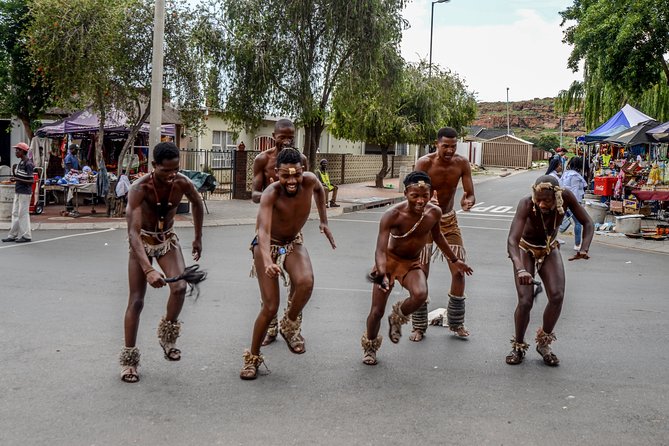
Lunch is served at Chaf Pozi, located between the famous Soweto towers. This is a practical break in the middle of a history-heavy outing, and it gives you a chance to sit with the guide and process what you have seen.
The included meal is described as a local lunch, and the experience also includes a taste of kota, a well-known local sandwich. Food is not an optional extra listed after the fact, so you can budget for the tour with lunch in mind. Personal expenses and additional items are not included, however, so bring money if you want anything beyond the provided meal.
The restaurant setting beside the towers adds a strong sense of place. The towers are among Soweto’s recognizable sights, and stopping there keeps lunch connected to the neighborhood rather than moving you to a generic restaurant elsewhere.
Food preferences are not covered in the supplied details. If you have dietary restrictions, ask One Day Africa before booking. Do not assume that the local lunch or kota can be changed.
What the $53.77 Price Covers
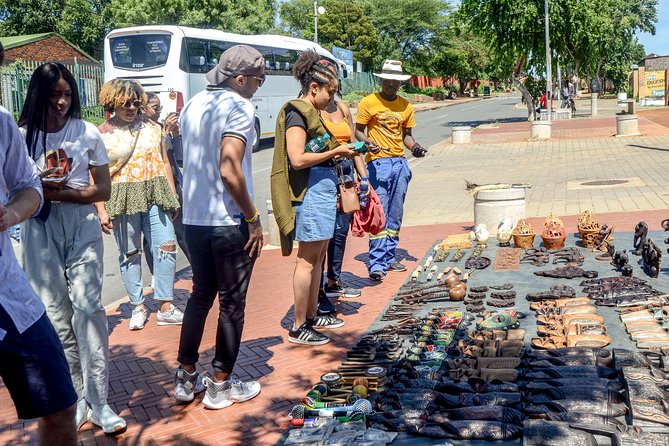
At $53.77 per person, the tour offers reasonable value if you want transport, a private guide, a meal, and several historical stops in a single short outing. You are not paying only for a tuk-tuk ride. The price also covers bottled water, private transportation, a driver-guide, local lunch, and admission to Mandela House.
The value depends on how you like to travel. If you prefer to explore independently and spend a long time at one museum, you may find the fixed route less useful. If you want a local guide to connect several parts of Soweto without arranging taxis or planning each stop, the price is easier to justify.
The private format matters. Only your group takes part, so you can ask questions about the township’s history and the guide’s own perspective. One of the strongest comments about Mulalo Mphuma focused on his willingness to share personal stories, which can make the material feel more direct and less like a standard lecture.
The price does not cover personal expenses or unspecified additional items. Keep that in mind if you want extra food, drinks, souvenirs, or other purchases.
Timing, Group Style, and Practical Details
The experience lasts about two hours and 30 minutes. That is long enough for a focused introduction to Soweto, but the route moves at a firm pace because it includes driving, walking, lunch, Vilakazi Street, Mandela House, Orlando East and West, the informal settlement, the former women’s hostel, Mama Lilian Ngoyi’s family home, and the Hector Pietersen Museum.
The tour is private, which is a major advantage for couples, families, and small groups with a shared interest in South African history. It can also help if someone in your party needs more explanation at a particular stop, though the listed information does not promise a fully customized itinerary.
A mobile ticket is provided, and confirmation is received at booking. The starting point is near public transportation, but no pickup from Pretoria or another hotel is included in the details. Plan around reaching Moema Street and Rampa Street in Orlando West on time.
Most people can participate, according to the supplied information. Since the activity combines a tuk-tuk ride with walking stops, ask the operator about your specific mobility needs before booking. The exact walking distances and vehicle arrangements are not stated.
Free cancellation is available up to 24 hours before the start time for a full refund. Cancellations or changes made within 24 hours are not refunded or accepted. The experience also requires a minimum number of participants, so if the operator cancels for that reason, you are offered another date or experience, or a full refund.
Who Will Get the Most From This Tour
I would choose this experience if you want history explained by someone based in the community rather than a quick drive past major sights. It suits first-time visitors to Soweto who want a broad introduction and do not have time to arrange separate visits to Mandela House, the museum, and the different neighborhoods.
It is also a good fit for anyone interested in the human side of apartheid history. The women’s hostel, Mama Lilian Ngoyi’s family home, the informal settlement, and the discussion of political resistance broaden the story beyond famous men and famous addresses.
Families and small private groups may appreciate the tuk-tuk format and the chance to ask questions. Food-focused visitors will also enjoy the local lunch and kota, though this is not primarily a culinary tour.
I would hesitate to book it if you want a long, quiet museum visit, a luxury vehicle, or a completely lighthearted afternoon. The route is short, the subject is serious, and some stops may raise difficult questions about poverty and inequality. Those are not flaws, but they are part of the experience.
Should You Book Soweto by Tuk-Tuk?
Book it if you want to cover a lot of Soweto in a short time and care about the meaning behind the places you see. The strongest reasons are the private tuk-tuk transport, the local guide, the mix of famous and less polished sites, and the included lunch at Chaf Pozi.
The tour is especially worthwhile if Mulalo Mphuma is leading your departure, since his personal storytelling has been a major strength. Still, ask whether he is your assigned guide rather than assuming it.
Skip it if your priority is a single museum, a relaxed meal, or a long independent visit. For most first visits, though, this is a well-shaped introduction to Soweto, with enough movement, history, food, and local context to make the $53.77 cost feel fair.
FAQ
Where does the Soweto tuk-tuk tour start?
It starts at Moema Street and Rampa Street in Orlando West, Soweto, South Africa.
Where does the tour end?
The activity ends back at the meeting point in Orlando West.
How long does the experience last?
The tour lasts approximately two hours and 30 minutes.
How much does the tour cost?
The listed price is $53.77 per person.
Is the tour private?
Yes. Only your own group takes part in this private activity.
Is lunch included?
Yes. A local lunch is included, and the route also includes a taste of kota, a local sandwich.
What else is included?
Bottled water, private transportation, a driver-guide, and admission to Mandela House are included.
Are personal expenses included?
No. Additional items and personal expenses are not included.
Is Mandela House part of the tour?
Yes. Mandela House is included, with about 30 minutes allocated for the visit.
Can I cancel for a full refund?
Yes. You can cancel at least 24 hours before the experience start time for a full refund. Cancellations within 24 hours are not refunded.
Newly added rides around the world
- Kochi Exclusive Local Sightseeing Tuk-Tuk Tour★ 5.0 · 18 reviews
- 4 Hour Private Tuk Tuk Tour in Kochi From Cruise terminal★ 5.0 · 23 reviews
- Cochin Private guided Tuk Tuk tours with pick up from cruise ships★ 4.5 · 10 reviews
- Kochi private Tuk-Tuk (Auto Rickhaw) Tour★ 4.0 · 7 reviews
- Fort Kochi Tuk Tuk Tour★ 5.0 · 28 reviews
- Fort Kochi Sightseeing Tuk Tuk Tour★ 5.0 · 80 reviews
- Fort Kochi Tuk-Tuk Sightseeing Tour with Local Guide★ 5.0 · 78 reviews
- Fort Kochi Tuk-Tuk Sightseeing Tour★ 5.0 · 28 reviews
South Africa Tuk Tuk Tours: the nearest alternatives


Port Elizabeth tuk-tuk tour, experience the natural beauty.
Read our review →
Downtown Johannesburg Tuk tuk Tour with a local lunch
Read our review →
Tuk tuk lists that include it