
Review · TUK TUK FOOD TOURS
Dar es Salaam: Tuk-Tuk Tour, Street Food & Local Lifestyle
Dar es Salaam makes the most sense at street level, and this tour puts you there in a tuk-tuk. You’ll move from the tight lanes of Kariakoo Market to food stalls, carved wooden art, and traditional homes from across Tanzania. It is a useful way to see several sides of the city without spending a full day arranging taxis and entry tickets.
I like the mix of everyday city life and cultural stops, rather than a tour made up only of monuments. I also like the food tasting, especially the chance to try chapati, mishkaki, roasted maize, and fresh juice in ordinary local settings. The main caution is pickup reliability: one confirmed booking reported no pickup and no reply, so confirm your meeting point and start time before the day of the tour.
Key points at a glance
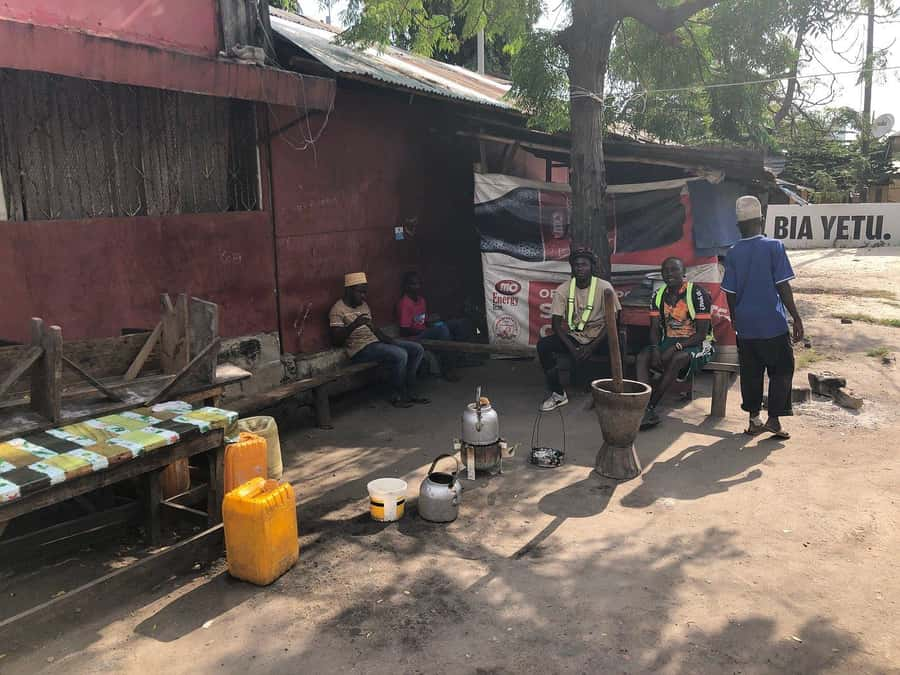
- Kariakoo in 90 minutes: See where Dar es Salaam shops for food, clothing, spices, and daily essentials.
- Street food with local flavor: Taste snacks such as chapati and mishkaki, with fresh juice included.
- Mwenge’s working craft scene: Watch woodcarvers shape masks, furniture, and souvenirs.
- Village Museum context: Walk among traditional homes linked to different Tanzanian tribal cultures.
- A four-hour tuk-tuk route: Cover several city districts without committing to a long full-day outing.
- A guide who can adapt: Glory received particularly strong praise for responding to guests’ wishes and needs.
Why a tuk-tuk is a good way to see Dar es Salaam
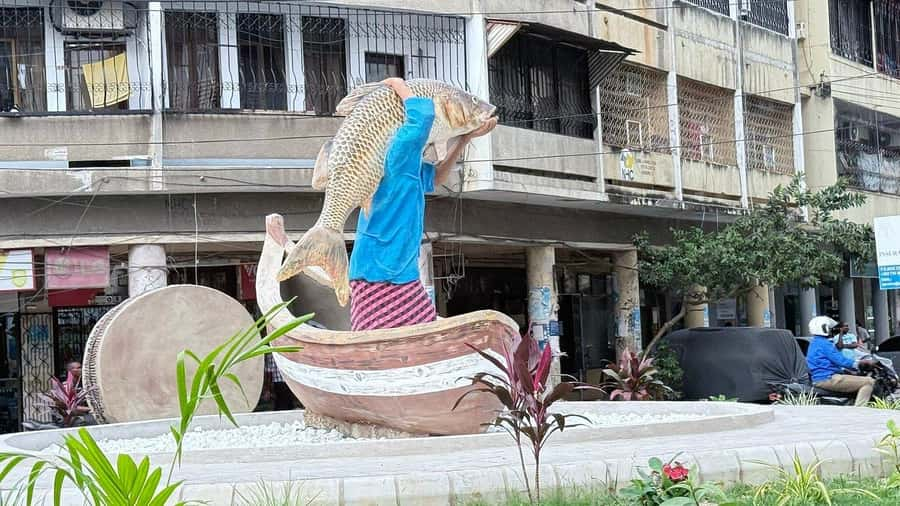
A tuk-tuk gives you a close view of the city that a sealed car tends to hide. You can watch shopfronts, pedestrians, vendors, and traffic flow past at a slower pace, while still covering enough ground to reach the market, craft center, and museum.
It is not luxury transport. You should expect an open-sided ride, city noise, sun, and the stop-and-go rhythm of Dar es Salaam roads. That is part of the point, but it may not suit you if you want air conditioning, silence, or a polished sightseeing vehicle.
The tour lasts four hours and runs daily, with morning and afternoon departures. That timing works well for a first look at the city, a free half-day between other plans, or a shore excursion style outing, provided your pickup time is confirmed clearly.
Pickup is offered from central Dar es Salaam hotels. Transfers outside the central area are not included, so check this before booking. The price is listed as $65 per group of up to one person, which needs clarification if you are booking for more than one traveler. In value terms, the cost covers four hours of tuk-tuk transport, a local driver-guide, snacks and fresh juice, bottled water, and the Village Museum entrance fee. For a solo visitor wanting a private arrangement, that can be reasonable, but you should ask how the price changes for additional people.
More Tuk Tuk Food Tours in the world:
- Bangkok: Midnight Food Tour by Tuk-Tuk
★ 4.9 · 2,054 reviews - Bangkok: Michelin Guide Street Food Tour by Tuk Tuk
★ 4.4 · 1,274 reviews - Xi’an Evening Food Tour by TukTuk
★ 5.0 · 715 reviews
Kariakoo Market: Dar es Salaam’s daily engine
The first major stop is Kariakoo Market, with about 90 minutes for walking, shopping, and sightseeing. This is the part of the tour that best shows how Dar es Salaam works from day to day.
You may see tropical fruit, spices, clothing, household supplies, and other goods needed for ordinary life. The appeal is not a neat collection of displays. Kariakoo is a working market, so the sights, sounds, smells, and movement come from real shopping rather than a staged cultural show.
Your guide matters here. A good guide can explain what you are seeing, help you move through the market, and keep the stop from becoming a quick photo walk. Glory is the named guide connected with the strongest praise in the available feedback. If Glory is assigned to your booking, you can ask about local foods, market customs, and the parts of Kariakoo that interest you most.
Bring cash if you hope to buy anything, but keep shopping optional. The tour includes sightseeing, not a shopping allowance, and personal purchases are extra. Comfortable shoes are more useful than dress shoes, since the market stop involves walking and standing.
Kariakoo can feel intense. Crowds, traffic, and tight spaces are part of the setting. If you prefer quiet museums and orderly streets, this may be your least comfortable stop. If you want to see the city as residents use it, it is likely to be the most revealing.
Chapati, mishkaki, and a quick taste of Swahili food
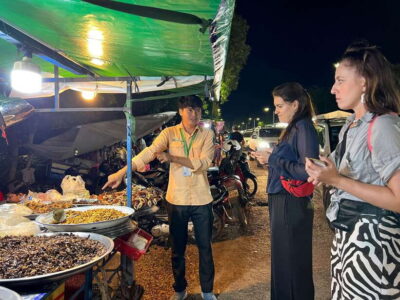
The food stop adds a welcome pause to the market visit. The tasting can include chapati, mishkaki, roasted maize, or fresh juice. The exact choice may depend on what is available during your visit, so think of it as a sample of local street food rather than a full lunch.
Chapati is a soft, flat bread often eaten as a snack or with other foods. Mishkaki refers to meat skewers, usually served from a grill. Roasted maize is simple, filling, and easy to eat on the move. Fresh juice gives you something cool after time in the sun.
This is one of the tour’s strongest features because food gives you a direct way into local life. You are not just looking at a market stall. You are trying something that people buy and eat during the normal day.
The included tasting covers snacks and fresh juice, not a full meal. If you need lunch, plan to pay for additional food yourself. Alcohol is not included, and alcohol and drugs are not allowed on the experience.
You should carry sunscreen, a hat, sunglasses, and bottled water. Water is included, but a four-hour outing in a hot city is easier when you are prepared. If you have food allergies or dietary restrictions, ask the provider before booking, since no special menu is specified.
Mwenge Woodcarvers’ Market and the value of handmade work
The next stop is Mwenge Woodcarvers’ Market, with about 90 minutes for arts, crafts, sightseeing, and shopping. Here you can watch artisans carving wooden masks, furniture, and souvenirs.
The useful part is seeing the work in progress. Finished souvenirs can look anonymous when they are lined up in a shop. Seeing a carver shape the wood gives you a better sense of the time and handwork behind the object.
This is also the main shopping stop. You might find carved pieces to take home, but personal shopping is not included in the tour price. Ask about prices, size, packing, and whether an item is practical to transport before buying. The tour description does not promise shipping services, so do not assume that large furniture or fragile pieces can be sent home.
Allow room for browsing without feeling pressured. A good guide can help explain the craft traditions and give you time to look. Glory was praised for adjusting to personal wishes, and that quality would be useful here if you want more time with the artisans or prefer to keep shopping brief.
The stop may be less appealing if you are not interested in buying crafts. Even then, watching the carving process gives the visit a purpose beyond souvenir hunting. You see a working art scene and learn how Tanzanian design appears in masks, furniture, and smaller objects.
More tuk tuk tours around the world:
- True 4Hour Private Tuk Tuk Tour: Discover Lisbon with a Local!
★ 5.0 · 8,008 reviews - Porto: Guided Tour by Tuk-Tuk & Optional Douro River Cruise
★ 4.5 · 5,980 reviews - Lisbon: Private Guided Tuk-Tuk Tour with Hotel Pickup
★ 4.9 · 4,552 reviews - Private Lisbon Sightseeing Tuk-Tuk Tour: Alfama, Belém & More
★ 5.0 · 4,277 reviews
The Village Museum’s traditional homes
The Village Museum is the cultural anchor of the route. It presents traditional huts connected with different Tanzanian tribes, offering a look at rural homes, domestic life, and local heritage.
This stop helps put the city experience in a wider setting. After seeing a modern market and a working craft center, you get a chance to consider how housing, materials, and village life vary across Tanzania. The museum provides more context than a quick drive past a neighborhood can offer.
The visit is guided and lasts about two hours according to the schedule provided, though the entire experience is described as four hours. That timing appears longer than the other listed stops, so confirm the exact stop lengths when you book. The key point is that the Village Museum receives serious attention rather than being treated as a ten-minute photo stop.
Entrance is included, which makes this part good value. You do not need to budget a separate museum fee. Wear comfortable clothes and shoes, since the visit involves moving between traditional structures rather than sitting in one indoor gallery.
The Village Museum is not a substitute for seeing rural Tanzania firsthand. It is an interpretive stop in the city. Still, it gives you a useful introduction if your trip is focused on Dar es Salaam and you are not visiting other regions.
Finishing with chai or coconut water
Near the end, you stop at a Swahili café for chai ya tangawizi, spiced ginger tea, or fresh coconut water. This is a small detail, but it gives the tour a pleasant closing rhythm after the market, food, crafts, and museum.
The café stop also lets you slow down and ask your guide questions. You can use this time to discuss places you have seen, local customs, or other parts of the city you might visit later. The drink is included in the described experience, but additional meals and personal purchases are not.
Afterward, the tuk-tuk ride returns you to your hotel or meeting point in Dar es Salaam. The final ride is less about sightseeing stops and more about getting back while keeping the city view going until the end.
Price, timing, and practical value
At $65 for a group of up to one person, this is best judged as a private or solo experience rather than a cheap group outing. The price includes transport, a professional local guide, a food tasting, water, and the Village Museum entrance. You are paying for a compact route that combines several types of activity.
The value improves if you want a guide to handle the route and explain what you are seeing. It is less compelling if you are comfortable arranging your own transport, visiting the market independently, and paying separate entrance fees.
Morning and afternoon departures give you some flexibility. A morning start may be more comfortable for walking and market visits, while an afternoon departure can fit around other plans. The exact starting times depend on availability.
The tour is wheelchair accessible, but the route includes a market walk, craft-market visit, and traditional village setting. If you use a wheelchair, ask how each stop is handled and whether the tuk-tuk can accommodate your equipment. The information confirms accessibility, but it does not describe the exact vehicle or surfaces.
Children must be at least six years old. The tour may suit families with older children who enjoy food, crafts, and short cultural visits, but parents should be ready for heat, traffic, and a busy market. Children under six cannot join.
English and French are listed as guide languages. German is also mentioned in the practical information, although the language details are not fully consistent. Confirm your preferred language before payment.
Free cancellation is available up to 24 hours before the tour, and reserve-now-pay-later booking is offered. These policies help if your schedule is unsettled, but they do not remove the need to confirm pickup.
The pickup issue you should take seriously
One confirmed booking reported that the tuk-tuk did not arrive and that there was no reply about whether pickup would happen. That is a serious practical problem, especially if you have limited time in Dar es Salaam.
I would confirm the hotel name, pickup time, driver contact, and meeting point shortly before the outing. If you are staying outside central Dar es Salaam, confirm transfer arrangements because those transfers are not included. Keep enough time before your next plan in case city traffic or a delayed meeting causes trouble.
This concern sits beside a very positive account of a tour led by Glory, who was praised for responding to individual wishes and needs. The mixed picture suggests that the experience can depend heavily on communication and the guide assigned to your booking.
Who should book this Dar es Salaam tour?
I would choose this tour if you want a broad introduction to the city in four hours. It suits solo visitors, first-time arrivals, older children over six, and anyone who prefers a local guide over arranging several short rides alone.
You will get the most from it if you like markets, casual food, handmade crafts, and cultural explanation. Bring curiosity, cash, sun protection, and comfortable shoes. Keep your shopping budget separate, since purchases are not included.
I would hesitate if your priority is a guaranteed hotel pickup with no follow-up, a quiet vehicle, or a full sit-down meal. I would also ask for clarity on the group pricing, the exact Village Museum timing, the guide language, and the pickup arrangements before booking.
Overall, the route has a strong idea behind it: use a tuk-tuk to connect daily city life, food, craft, and heritage. Book it when those things matter more to you than polished transport. Just confirm the logistics in writing, and ask for Glory if guide availability allows.
FAQ
How long is the tuk-tuk tour?
The experience lasts four hours. It operates daily with morning or afternoon departures, depending on availability.
What stops are included?
The route includes Kariakoo Market, a street food stop, Mwenge Woodcarvers’ Market, the Village Museum, and a Swahili café stop for chai ya tangawizi or fresh coconut water.
Is food included?
Street food snacks and fresh juice are included. Possible tastings include chapati, mishkaki, roasted maize, or fresh juice. Additional meals and personal purchases are not included.
Is the Village Museum entrance fee included?
Yes. The Village Museum entrance fee is included in the tour price.
What languages are available?
English and French are listed as guide languages. German is also mentioned in the practical information, so confirm German availability before booking.
Can children join the tour?
Children must be at least six years old. Children under six are not permitted to join.
Newly added rides around the world
- Kochi Exclusive Local Sightseeing Tuk-Tuk Tour★ 5.0 · 18 reviews
- 4 Hour Private Tuk Tuk Tour in Kochi From Cruise terminal★ 5.0 · 23 reviews
- Cochin Private guided Tuk Tuk tours with pick up from cruise ships★ 4.5 · 10 reviews
- Fort Kochi Sightseeing Tuk Tuk Tour★ 5.0 · 80 reviews
- Kochi private Tuk-Tuk (Auto Rickhaw) Tour★ 4.0 · 7 reviews
- Fort Kochi Tuk Tuk Tour★ 5.0 · 28 reviews
- Fort Kochi Tuk-Tuk Sightseeing Tour with Local Guide★ 5.0 · 78 reviews
- Fort Kochi Tuk-Tuk Sightseeing Tour★ 5.0 · 28 reviews
Tuk Tuk Food Tours: the nearest alternatives

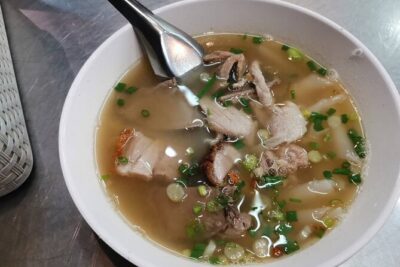
Bangkok: Michelin Guide Street Food Tour by Tuk Tuk
Read our review →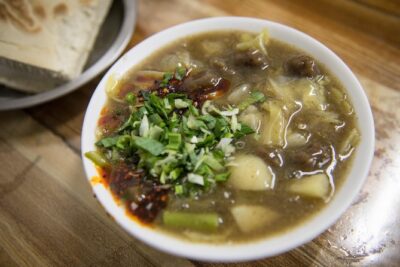

Bangkok Tuk-Tuk Tour by Night with Chinatown Street Food Meal
Read our review →
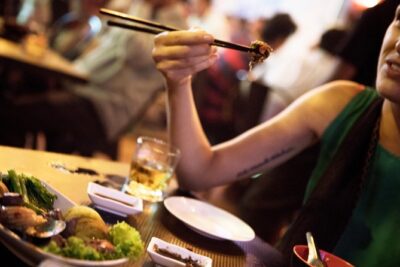
Ultimate Phnom Penh Food Tour by Tuk Tuk: 20 Tastings and Drinks
Read our review →
Tuk tuk lists that include it