
Review · BANGKOK
Bangkok: Cooking Class + Tuk Tuk Ride + Market Tour
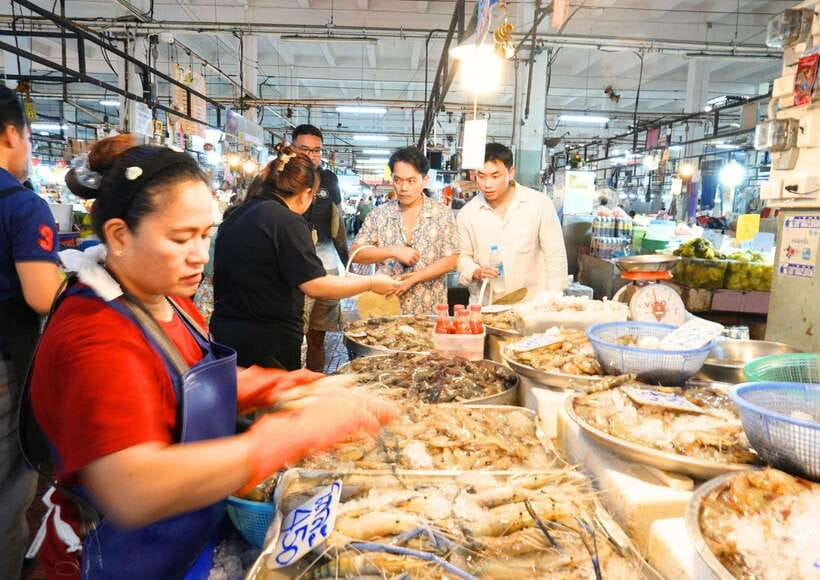
A five-minute tuk tuk ride leads you to Prannok Market, where old stalls sell coconut cream, curry pastes, prawns, tropical fruit, and less familiar Thai herbs. I like that the market visit is not just a quick shopping stop. You get to taste a dessert, watch coconut milk being made, and hear why some locals release live fish for good karma.
I also like the hands-on format. You cook four dishes yourself, rather than watching a chef do all the work, and instructors such as June and Lalit explain the process clearly. The main consideration is that the class covers a lot in three and a half hours, so you should arrive hungry but ready for a fairly active morning or afternoon.
Key points to know
- A short tuk tuk ride begins the class: Travel with your local chef from Arun Thai Cooking School to Prannok Market.
- Prannok Market feels genuinely local: Explore more than 60 years of neighborhood trade, including fresh herbs, seafood, fruit, snacks, and coconut products.
- You cook four complete dishes: The menu includes Tom Yum Prawns, Pad Thai Prawns, Massaman Curry Chicken, and Mango Sticky Rice.
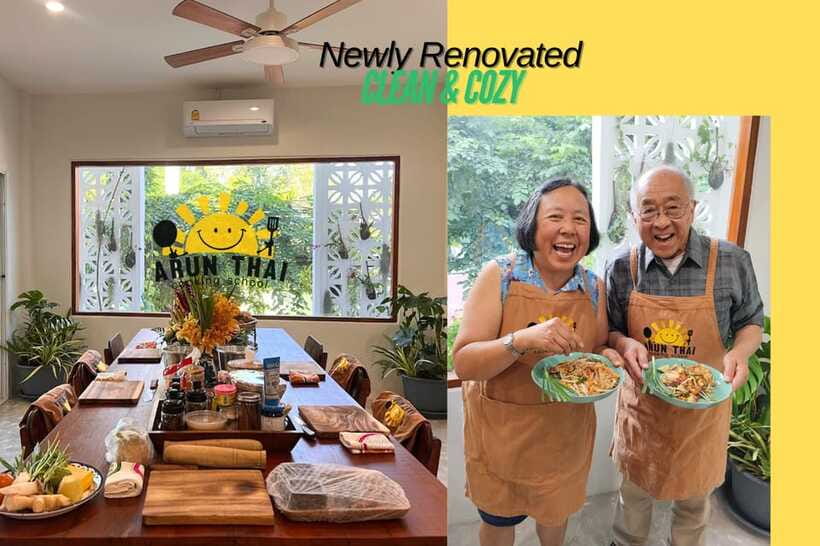
- The kitchen is newly renovated: The school has a clean, spacious setup with separate food preparation and cooking rooms.
- Dietary needs can be accommodated: Vegetarian choices are available, and allergies must be reported ahead of time.
- The class is strong on instruction: June, Juney, and Lalit are praised for clear explanations, cultural context, and friendly teaching.
Why this Bangkok cooking class works so well
Many Thai cooking classes begin in a classroom or restaurant kitchen. This one starts with the ingredients themselves. You first see where Thai cooks shop, how coconut cream is made, and how herbs, curry pastes, seafood, and fruit are handled at a local market. That gives the cooking lesson a useful sense of place.
The location helps, too. Arun Thai Cooking School is near Icon Siam and Wat Arun, so it can fit neatly into a sightseeing day on the Thonburi side of Bangkok. You meet on the second floor of the building, take a shared tuk tuk to the market, and return to the same meeting point at the end.
The class lasts about three and a half hours. That is enough time for a proper market visit and four dishes without turning the experience into an all-day commitment. Still, the pace may feel full if you want long, unhurried shopping time. The point here is to learn, cook, eat, and leave with recipes and techniques you can use at home.
The class costs $42 per person. For that price, you receive the tuk tuk ride, market tour, all cooking ingredients, four dishes, and refreshments. I consider that good value if you want a complete food experience rather than a short demonstration. The price also makes more sense when you consider that you are eating a full menu, not just preparing one dish.
More market runs around Bangkok:
- Authentic Thai Cooking with the Largest market visit &TukTuk ride
★ 5.0 · 350 reviews - Private Tuktuk Authentic Food Tour (Chinatown-Flower Market)
★ 5.0 · 75 reviews - Bangkok: Cooking Class with Market Visit & Tuk Tuk Ride
★ 4.8 · 27 reviews
The tuk tuk ride to Prannok Market
The ride to Prannok Market takes about five minutes and is shared with other participants. It is not a sightseeing ride through half of Bangkok, but it adds a local touch and connects the cooking school with the market in a practical way.
For many people, the tuk tuk is part of the fun. It gives the outing a distinct Bangkok feel without taking up much time. Since the ride is short, you should not book this activity expecting a long tuk tuk tour or a private vehicle.
Your local chef or guide travels with you and begins explaining the neighborhood and the ingredients you will use. That early introduction helps you recognize the market items later in the class.
Prannok Market and the ingredients behind Thai food
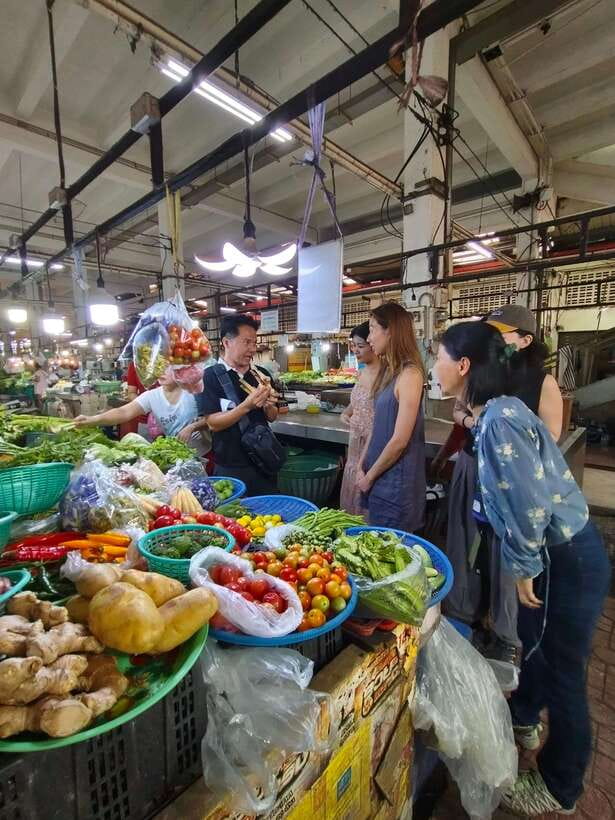
Prannok Market is one of the strongest parts of the experience. The market has more than 60 years of local trade behind it, and its stalls offer a useful look at the everyday ingredients of Thai cooking.
You can expect to see:
- Fresh prawns and other market ingredients
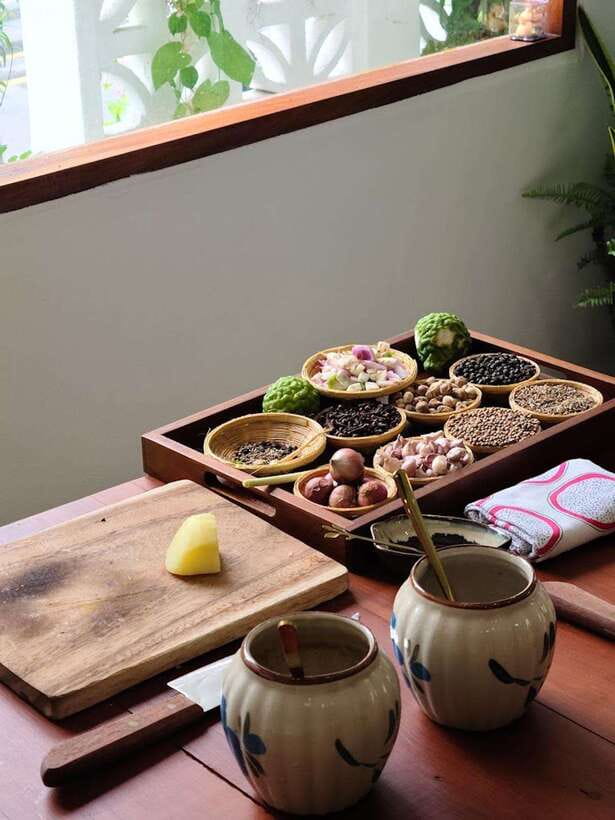
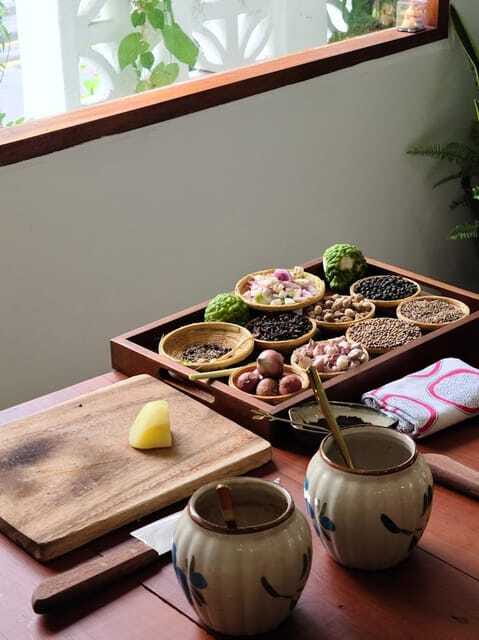
- Curry pastes and spices
- Rare Thai herbs and vegetables
- Tropical fruit
- Coconut products
- Snacks and Thai desserts
The visit is hands-on in a modest, practical way. You may taste a well-known Thai dessert, watch fresh coconut cream and coconut milk being made, and learn how ingredients are selected for the dishes ahead. This matters because Thai food depends on balance. Sourness, sweetness, heat, salt, herbs, and creamy coconut all need to work together.
The market also gives your guide a chance to explain customs that may not appear in a recipe book. One example is the practice of releasing live fish for good karma. It is a small cultural detail, but it shows how food markets can connect cooking with religious ideas, daily life, and local tradition.
June and Juney are especially useful guides if you want more than ingredient names. They explain the background of the dishes and the neighborhood, then connect those details to the food you will cook. The instruction is presented in a friendly, easy-to-follow way, which suits beginners who may not know the difference between Thai herbs or curry pastes.
The market can be busy and warm, so bring sunscreen and a sun hat. Wear comfortable clothes, especially if you book a daytime session. You will be moving around the market before working in the kitchen.
Four Thai dishes, from soup to dessert
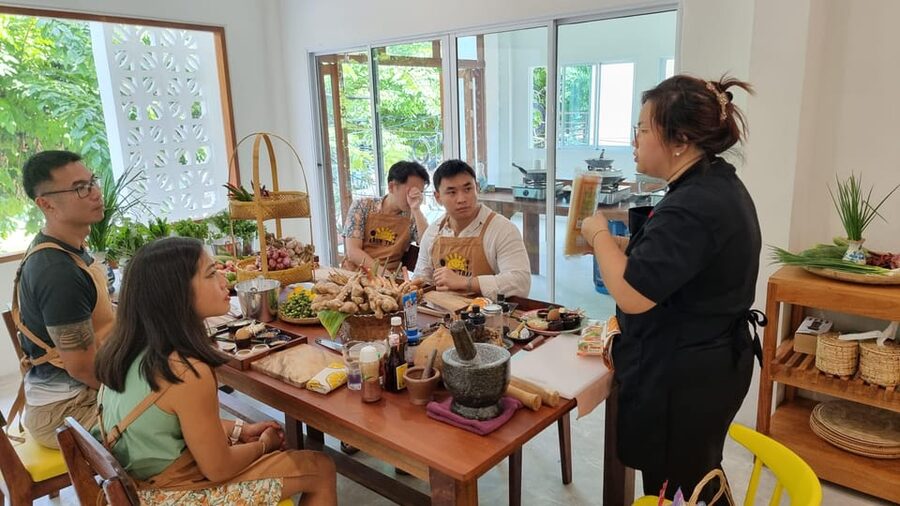
After the market, you return to the school and cook four dishes. The menu gives you a broad sample of Thai food, from hot and sour soup to a sweet coconut dessert.
More Shopping Tours around Bangkok:
- Bangkok TUK TUK Twilight Cultures Market and Food Taste
★ 5.0 · 13 reviews - Ayutthaya Elephant Village ATV and Floating Market by Tuk Tuk
★ 5.0 · 3 reviews - 1-Day Mekong Delta Cai Rang Floating Market-Ancient House-Pancake
★ 5.0 · 653 reviews - Chef Vu Cooking Class Plus Market Trip in Saigon Center (Pick up by Cyclo)
★ 5.0 · 477 reviews
Tom Yum Prawns
Tom Yum Prawns introduces the hot, sour, aromatic side of Thai cooking. The dish depends on the right balance of seasoning and fresh aromatics, so it is a useful lesson in how Thai flavors are built.
The market visit makes this course more meaningful. You have already seen the seafood, herbs, and other ingredients in their raw form. In class, you learn how they come together in a finished bowl.
Pad Thai Prawns
Pad Thai is familiar to many people, but making it yourself gives you more control over the final balance. The class uses prawns and walks you through the cooking process rather than simply handing you a prepared plate.
This is one of the most practical dishes to learn at home. The instructor explains the steps in a way that helps you remember them later, and the active format gives you a better feel for timing and seasoning.
Massaman Curry Chicken
Massaman Curry Chicken adds a slower, creamier style of Thai food to the menu. It contrasts nicely with Tom Yum and Pad Thai, giving you a chance to work with curry flavors and coconut-based richness.
The menu also helps you understand that Thai cooking is not one single style. Some dishes are sharp and spicy, others are sweet, creamy, or gently spiced. Cooking all four in one class gives you a wider set of techniques than a menu built around similar dishes.
Mango Sticky Rice
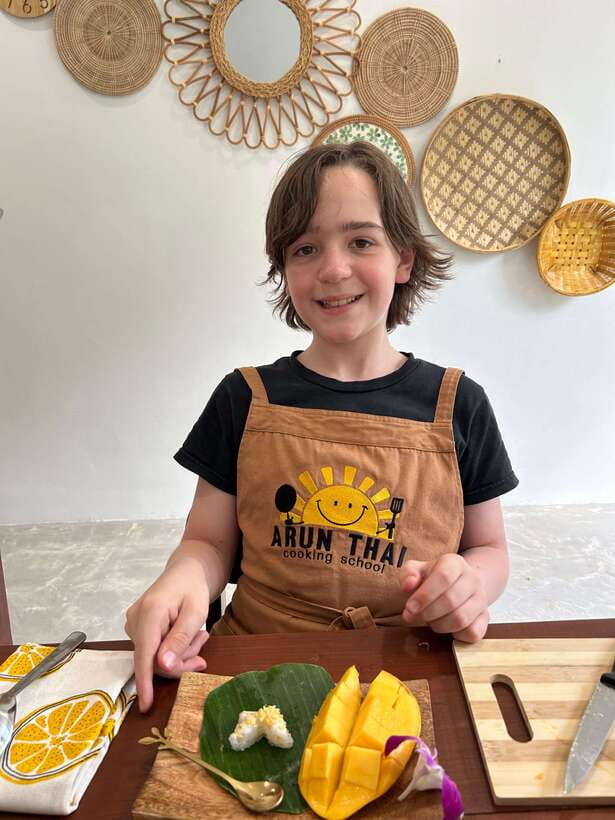
Mango Sticky Rice finishes the meal with one of Thailand’s best-known desserts. It is a simple-looking dish, but the texture of the rice and the balance of coconut and fruit matter.
Because you have already seen coconut cream being prepared at the market, this dessert connects directly to the opening part of the tour. That link between market and kitchen is one of the class’s better features.
A clean kitchen with room to work
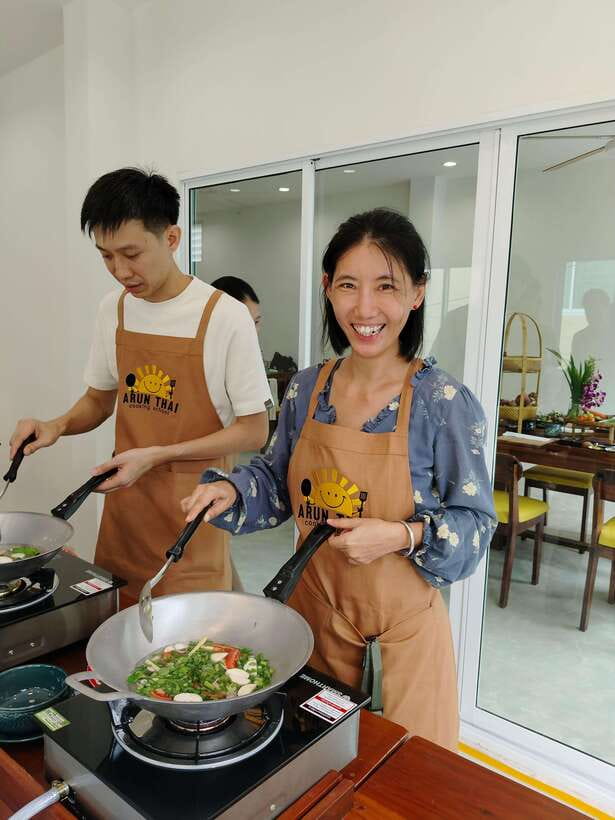
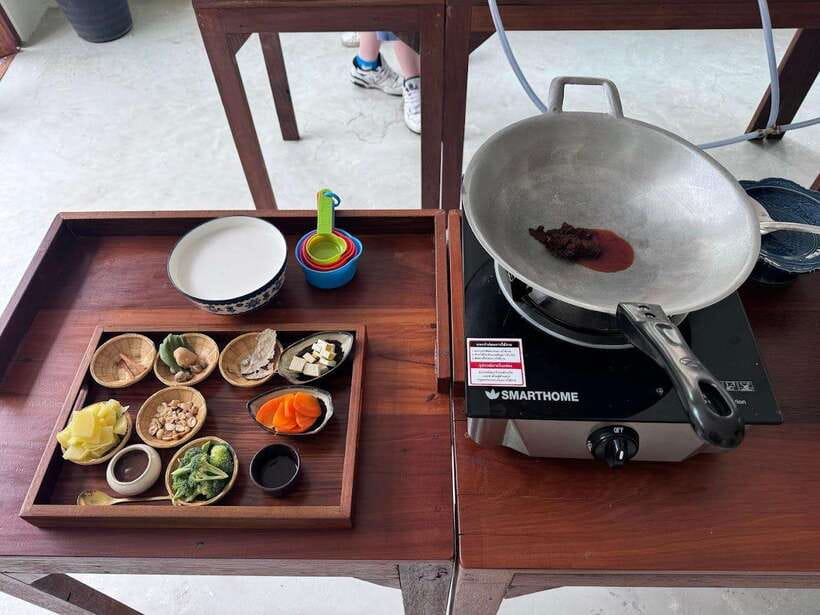
The school has been newly opened and renovated, with a spacious kitchen and a clean layout. Participants work at their own kitchen stations, which makes the class more active than a demonstration where you stand at the edge of a counter.
The cooking area is divided into two rooms, one for food preparation and one for cooking. That separation helps keep the process organized. You first handle ingredients, then move into the cooking stage with a clearer idea of what needs to happen next.
I would still set realistic expectations. This is a group class, so the amount of individual attention depends on the number of participants and the pace of the session. The instructors are described as friendly and clear, but you are not booking a private chef lesson.
The class welcomes all skill levels. Beginners should feel comfortable, and more experienced home cooks can still pick up useful information about Thai ingredients, seasoning, and preparation. The best approach is to take part rather than stand back. The more you handle the food, the more likely you are to remember the method later.
How good is the instruction?
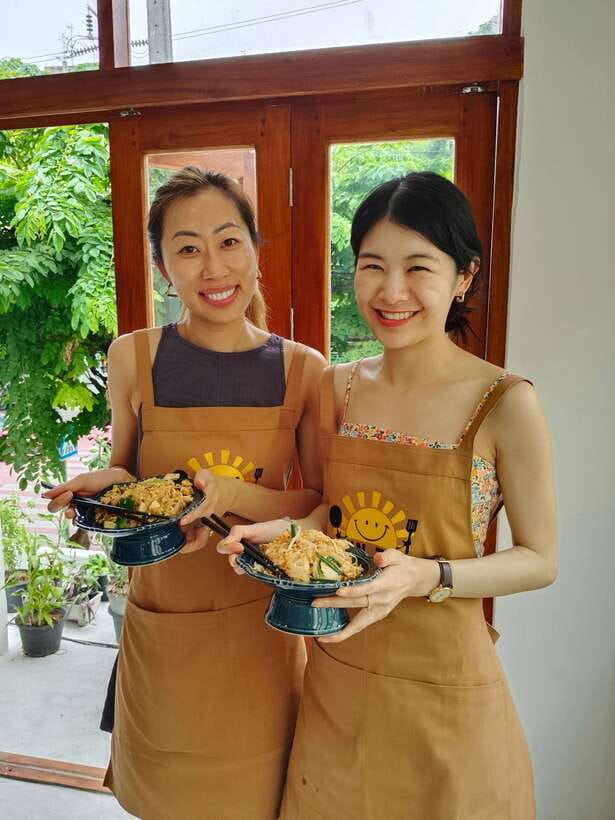
The instructors are a major part of the experience. June is repeatedly praised for her warm manner, clear explanations, and ability to add stories about Bangkok and Thai food. Juney is also described as an engaging teacher who combines cooking guidance with historical and cultural detail. Lalit receives similar praise for being prepared and easy to follow.
The strongest teaching point is practical confidence. You are shown how each step works, why certain ingredients matter, and how the dishes fit together. That is more useful than simply being told that a recipe is authentic.
The class is offered in English and Chinese. Chinese instruction is available six days a week, with partial translation on other days. If language support is important to you, check the available session before booking rather than assuming every time slot offers the same level of Chinese instruction.
One small limitation is worth noting: the class may not produce many personal photos while you cook. If you want pictures of every stage, ask before the session. Your hands may be busy, and the focus is on cooking rather than documenting each step.
Dietary needs, comfort, and what to bring
Vegetarian options and other dietary needs can be accommodated, but you need to provide allergy information in advance. Do not wait until you arrive, especially if you have a serious allergy or need several substitutions.
Wear clothes that are comfortable for cooking. A sun hat and sunscreen are useful for the market portion, particularly in warm weather. Comfortable clothing also helps because the experience includes walking through the market, riding in a shared tuk tuk, and working at a kitchen station.
Come with an empty stomach. You will prepare four dishes, and portions may make this a substantial meal. Refreshments are included, but hotel pickup and drop-off are not, so you must make your own way to Arun Thai Cooking School.
The activity begins and ends at the school. Meet on the second floor of the building, and allow enough time to find the location before the start. The exact starting times depend on availability.
Who should book this experience?
I would choose this class if you want three things in one outing: a local market visit, a cultural introduction, and a practical cooking lesson. It suits first-time visitors who want a food experience near Wat Arun or Icon Siam, as well as home cooks who want to recreate Thai dishes after returning home.
Families and mixed-skill groups should also find the format approachable because all levels are welcome. The instructors keep the process clear, and the newly renovated rooms make the cooking portion more comfortable than a cramped kitchen class.
It is less suitable if you want a private tuk tuk tour, a long market exploration, or a highly specialized culinary workshop. The ride is short, the market visit is focused, and the class covers four dishes in one session. You get variety and value, but not hours of detailed work on a single recipe.
The 4.9 rating from 70 reviews reflects a strong pattern of satisfaction, especially around the teachers, clean facilities, market visit, and food. The praise is not limited to the final meal. People value leaving with enough understanding to try the dishes again at home.
Booking advice and final verdict
At $42 per person, this is a solid buy for a three-and-a-half-hour Bangkok experience. You receive transportation to the market, a guided look at local ingredients, four cooked dishes, refreshments, and all the ingredients. That is a better deal than a class that only provides a single recipe and a short demonstration.
Book it if you want an active experience and are happy to share the tuk tuk and cooking space. Tell the school about allergies or dietary needs before arrival, confirm the language arrangement if you want Chinese instruction, and wear clothes suited to both the market and the kitchen.
I would book this class for the market connection alone, then enjoy the cooking as the main event. June, Juney, and Lalit add the kind of clear, personal teaching that helps the recipes stay with you. If you want to taste Bangkok and learn how to carry part of it home, this class makes a strong choice.
FAQ
Where does the Bangkok cooking class begin and end?
You meet on the second floor of Arun Thai Cooking School. The activity ends back at the same meeting point.
How long does the experience last?
The experience lasts approximately three and a half hours. Starting times vary, so check availability when choosing your session.
Is the tuk tuk ride included?
Yes. A shared tuk tuk ride from the cooking school to Prannok Market is included.
Which dishes will I cook?
You will prepare Tom Yum Prawns, Pad Thai Prawns, Massaman Curry Chicken, and Mango Sticky Rice.
Can the class accommodate vegetarian diets and allergies?
Vegetarian options and other dietary needs can be accommodated. You must provide allergy information in advance.
What languages are available?
The class is offered in English and Chinese. Chinese classes are available six days a week, with partial translation on other days.
More Workshops around Bangkok
- Sorrento Farm by Tuk Tuk: Cheese, Limoncello & Hands-On Pizza
★ 5.0 · 628 reviews - Hue City: Cyclo, Market Tour & Cooking Class at Madam Thu
★ 5.0 · 48 reviews - Hanoi 2.5 hour Guided Sightseeing Cyclo Tour & Egg Coffee Class
★ 5.0 · 16 reviews - Hoi An Rickshaw Riding/Carpentry or Ceramic Class by Foodie Tour
★ 5.0 · 8 reviews
Newly added rides around Bangkok
- 4-Hour Hidden Bangkok TukTuk Street Food Guided Tour★ 5.0 · 23 reviews
- Tuk-tuk Private Tour in Bangkok by Night with Chinatown meal★ 4.5 · 5 reviews
- Bangkok 3-in-1 Tour: Longtail Boat,TukTuk & Street Food Adventure★ 5.0 · 73 reviews
- Tuk-tuk tour Bangkok by Night with Chinatown meal and hotel transfers★ 4.5 · 60 reviews
- Fun Tuk Tuk Dinner and Massage in Old Town Bangkok★ 5.0 · 7 reviews
- Tuk Tuk Bangkok Private Tour: WW2 Pad Thai, 360-Viewpoint, Chinatown (Pickup)★ 5.0 · 9 reviews
- Private Bangkok Night Tour by Tuk Tuk with Dinner★ 3.5 · 15 reviews
- Rickshaw & Hike the Colors of Bangkok jungle★ 4.5 · 16 reviews
Bangkok Tuk Tuk Tours: the nearest alternatives

Bangkok by Night: Temples, Markets and Food Tuk-Tuk Tour
Read our review →
Bangkok: Michelin Guide Street Food Tour by Tuk Tuk
Read our review →
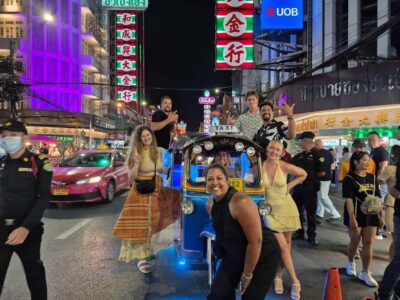
Bangkok: Tuk Tuk Adventure Chinatown Michelin Food & Temples
Read our review →
Bangkok: Evening Tour with Wat Arun, Wat Pho & Tuk Tuk Ride
Read our review →
Bangkok Tuk-Tuk Tour by Night with Chinatown Street Food Meal
Read our review →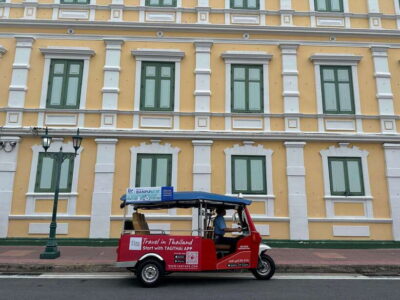
Bangkok: Tuk Tuk Day Pass App & Boat Chao Phraya River
Read our review →Tuk tuk lists that include it