
Review · LISBON
Lisbon: Street Art Tuk Tuk Tour
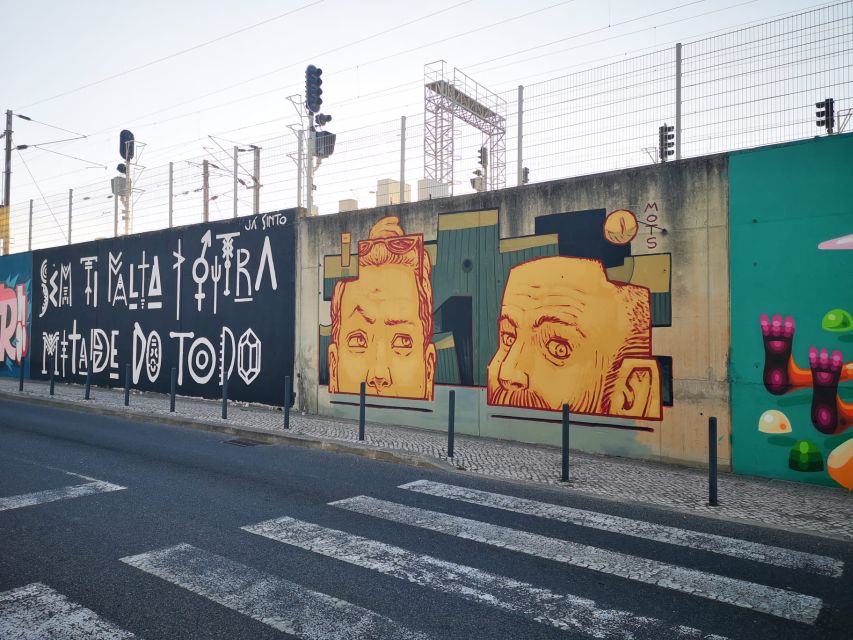
Lisbon’s best street art is often far from the postcard center. This private tuk-tuk tour takes you into Marvila and other eastern districts, where huge murals cover old buildings and former industrial spaces. I like the way the ride connects international graffiti and Ibero-American culture with everyday Lisbon, rather than treating the art as decoration alone.
I also like the access. A tuk-tuk can cover several spread-out neighborhoods in two to four hours, and guides such as Tiago, Mario, Frederico, and Raquel add stories about artists, housing, industry, and Portuguese life. The main drawback is comfort: the ride can be bumpy, and this tour is not suitable for young children, wheelchair users, pregnant women, or people with back problems.
Key points to know before booking
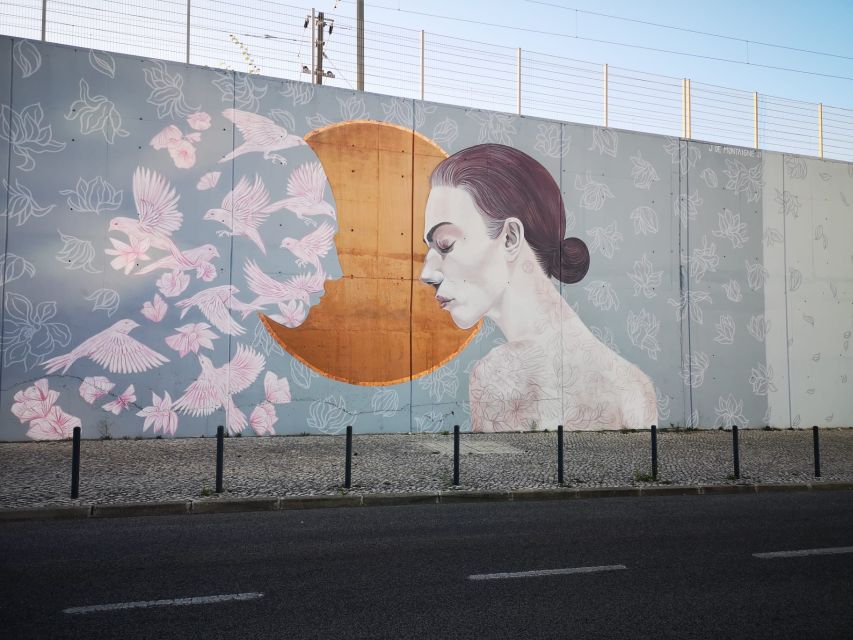
- Marvila’s outdoor gallery: See around 15 large works painted on buildings high above the city, with views toward the Tejo.
- More than murals: The route brings together convents, palaces, art deco warehouses, factory-worker homes, and urban gardens.
- A private tuk-tuk ride: Your group has a guide and vehicle to itself, with pickup available from locations in central Lisbon.
- A guide-led art lesson: Tiago, Mario, Frederico, Nuno, Flavio, Raquel, and others are praised for linking the art to Lisbon’s social and cultural changes.
- Time matters: The two-hour version gives you a sharp introduction. Choose four hours if you want more stops and more time outside the tuk-tuk.
- Bring a camera, but expect movement: Guides make photo stops, though the tuk-tuk ride can be uneven on Lisbon’s streets.
Why this Lisbon street art tour is different
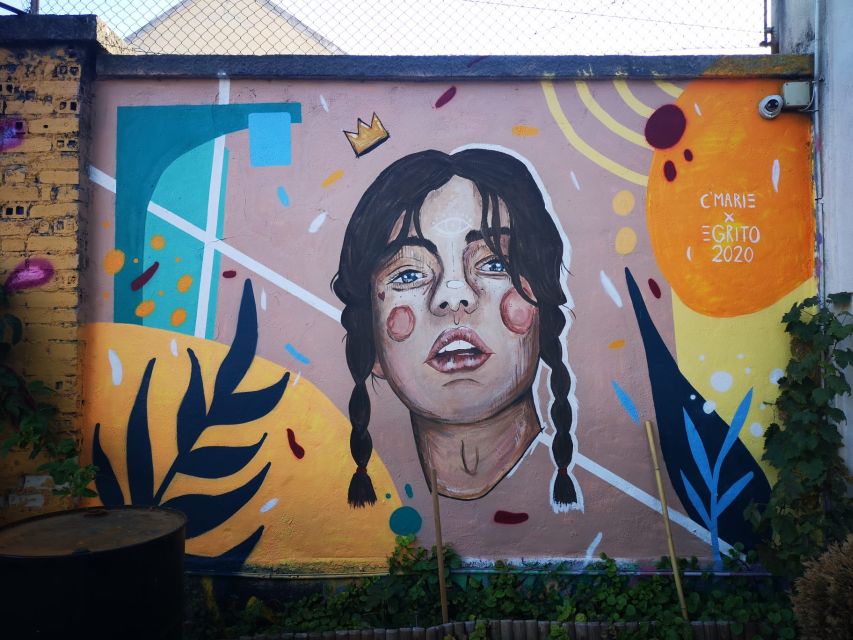
Many Lisbon sightseeing tours stay among the tiled facades, viewpoints, and historic streets around the center. This one takes a wider view of the city. You ride into districts where old industrial buildings sit beside new murals, modest homes, convents, palaces, and patches of cultivated land.
That contrast is the point. Lisbon’s street art is not confined to one gallery or one fashionable quarter. It appears across a city that has changed quickly, and your guide helps explain what those changes mean.
I would book this tour early in a Lisbon stay if you want a better sense of the city beyond the main sights. It works especially well after you have seen the central neighborhoods, because the quieter eastern districts give you a useful counterpoint.
The experience is private, so the tone can be adjusted to your interests. If you already follow street artists, ask for more detail about technique and authorship. If you are new to graffiti, ask your guide to explain the symbols, scale, and local setting of each work.
More Street Art Tuk Tuk Tours in Lisbon:
- Lisbon: 3-Hour Street Art Tuk Tuk Tour
★ 4.8 · 86 reviews - Lisbon: Street Art TukTuk Tour
★ 4.8 · 37 reviews - Lisbon Street Art by Tuk Tuk : Graffiti & Murals Discovery
★ 4.3 · 15 reviews
Marvila, where the walls become the main attraction
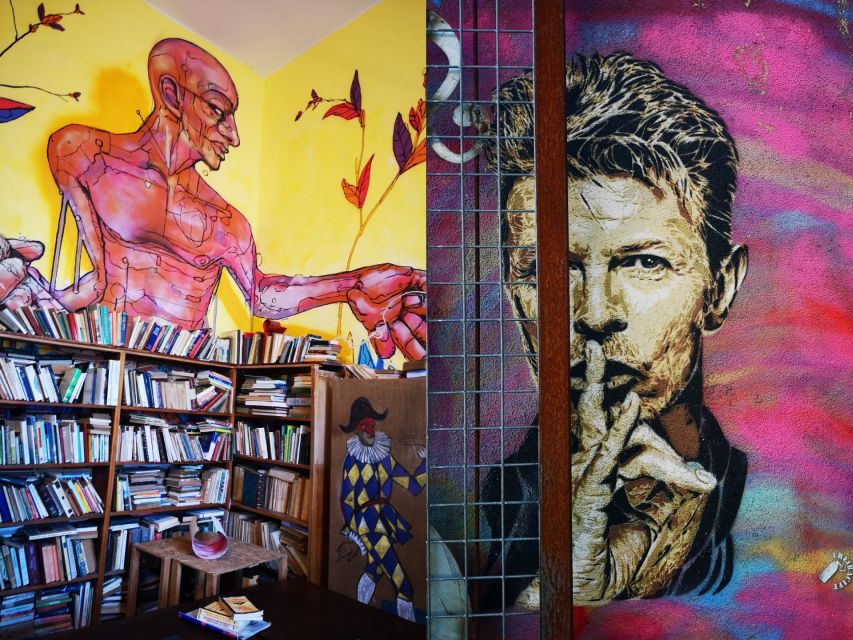
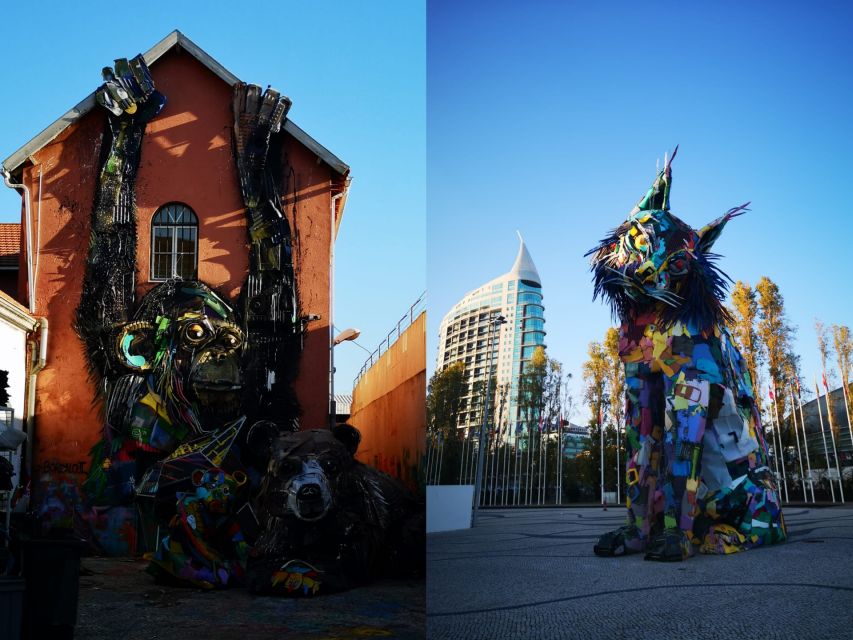
The heart of the experience is Marvila, an eastern part of Lisbon known here for its large-scale public art. You will see about 15 enormous pieces painted on buildings near the top of a hill. They are big enough to read from a distance, and the elevated position gives you a view toward the Tejo at the same time.
This is not a quick drive past a single mural. The tuk-tuk lets you cover a spread of walls that would take much longer to reach on foot. You can get out at selected points to look closely and take photos, then continue to another part of the district.
The scale changes how you see the art. A small stencil can reward close inspection, but these works are built for walls several stories high. Your guide can point out the artists and explain how each piece relates to its building and surroundings.
The art also reflects Ibero-American connections. That gives the route a broader frame than a simple list of local graffiti. Lisbon’s public art scene includes Portuguese creators and artists from elsewhere, so the murals become a way to see the city’s links across the Atlantic and the wider Spanish- and Portuguese-speaking world.
The hilltop setting adds a practical bonus. You get photographs of the artwork with the river in the distance, rather than only close-up shots of painted walls. Wear shoes that are comfortable for short walks and standing during these stops.
Old convents and palaces beside industrial Lisbon
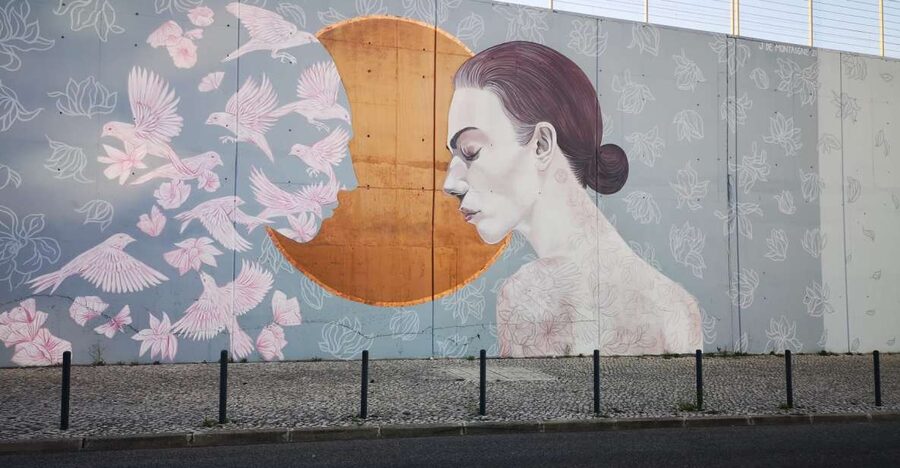
Street art is only one layer of this route. As the tuk-tuk moves through the neighborhoods, your guide points out 17th and 18th-century convents and palaces. These buildings give you a reminder that Lisbon’s eastern districts are not simply former factory zones or new art quarters.
I like this part because it prevents the tour from becoming a mural checklist. You see how grand religious and aristocratic buildings can share the same broad area as warehouses, workers’ homes, and newer public art.
The exact order of sights can vary, and the activity does not promise interior visits. Entrance fees to museums and monuments are not included. Think of these buildings as exterior landmarks and historical reference points rather than scheduled museum stops.
That distinction matters if you want a traditional palace tour. This is not the right choice for detailed indoor access or long visits inside monuments. It is better for seeing how different periods of Lisbon sit together within a single neighborhood.
Art deco warehouses and the city’s working past
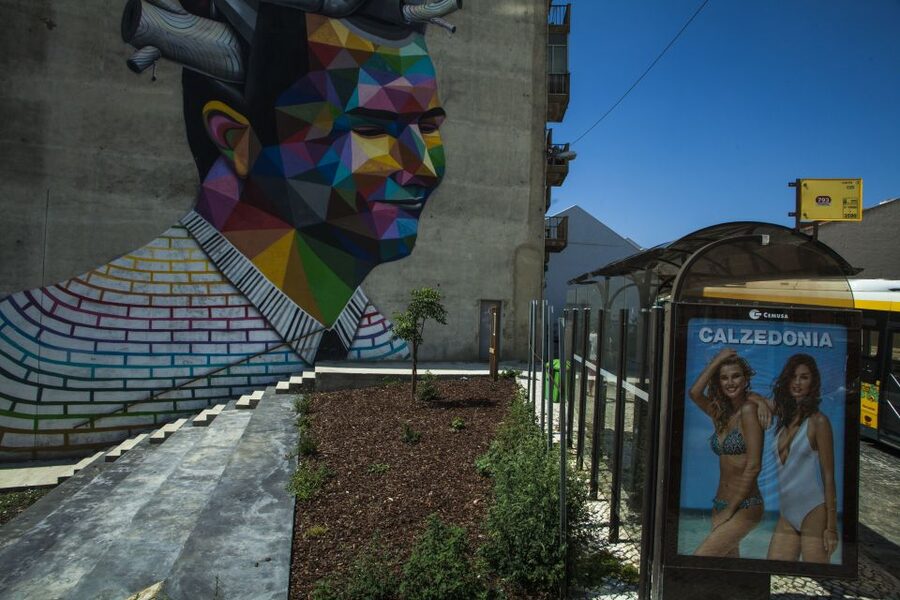
The tour also reaches art deco industrial warehouses and other older commercial buildings. Their straight lines, broad walls, and worn surfaces make natural settings for large public art.
Your guide can help you read the area as more than a series of photogenic facades. These structures point to Lisbon’s industrial past, while the murals show how some former work districts are being given new attention.
You may also see vilas, the small residential areas built for factory workers. They offer a more intimate look at the people who once lived close to their jobs. In the same general mix, urban vegetable gardens show how residents use open spaces in practical ways.
That combination is one of the tour’s strongest features. You are not only looking at art in an old quarter. You are seeing housing, work, gardens, historic buildings, and new creative projects in the same frame.
Several guides are praised for discussing housing and economic change. Tiago, in particular, is described as linking the murals with Lisbon’s current housing situation and social questions. That context is useful, but you should expect a conversation about a changing city, not a purely technical art lecture.
More tuk tuk tours around Lisbon:
- True 4Hour Private Tuk Tuk Tour: Discover Lisbon with a Local!
★ 5.0 · 8,008 reviews - Lisbon: Private Guided Tuk-Tuk Tour with Hotel Pickup
★ 4.9 · 4,552 reviews - Private Lisbon Sightseeing Tuk-Tuk Tour: Alfama, Belém & More
★ 5.0 · 4,277 reviews - Lisbon Highlights: Private Tuk Tuk Tour Adventure Sightseeing
★ 5.0 · 3,284 reviews
What your guide adds to the ride
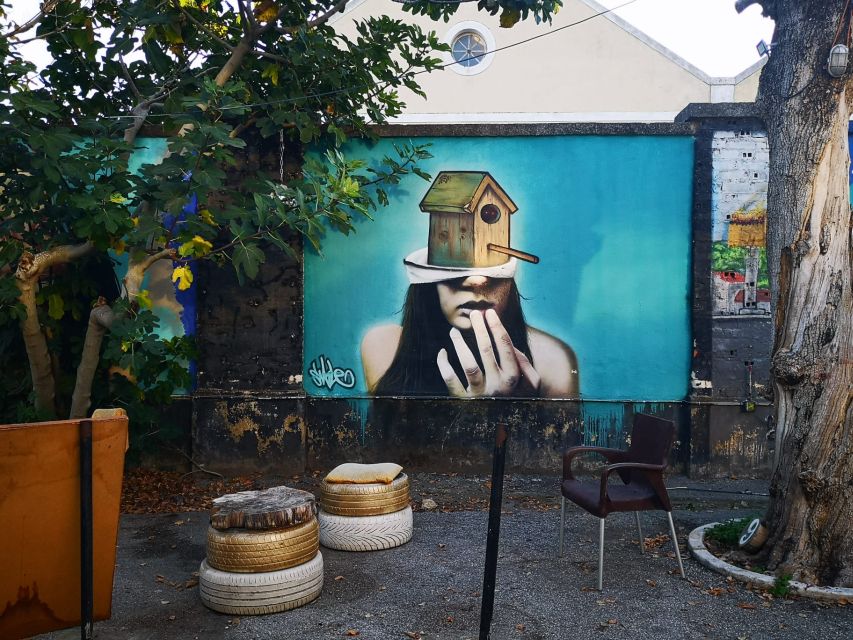
The guide makes a large difference on this experience. The art itself is easy to photograph, but the meaning of a mural can be harder to catch from the seat of a vehicle.
Tiago is repeatedly singled out for his passion, humor, and ability to tailor the route. Mario is known for his friendly manner and strong sense of Lisbon. Frederico is praised for giving visitors time to look and take pictures while adding background on the artists and the districts.
Other guides connected with the tour include Nuno, Flavio, Raquel, Raphael, and Thiago. Nuno has led longer outings that included works by artists such as Okuda San Miguel, Vhils, Bordalo II, OzeArv, Daniel Eime, Isa Silva, Pichiavo, Shepard Fairey, and Jaqueline de Montaigne.
Artist names and works can change as murals are painted over, added, or affected by construction. That is part of the nature of public art. If you have a particular artist in mind, tell the guide when you book or at the start of the ride, but do not assume every named artist will appear on your route.
One useful feature is the personal attention. Guides ask about your interests and can adjust the emphasis toward certain types of art. They also offer advice about the rest of your Lisbon visit, including food and other places to see.
Two hours or four hours?
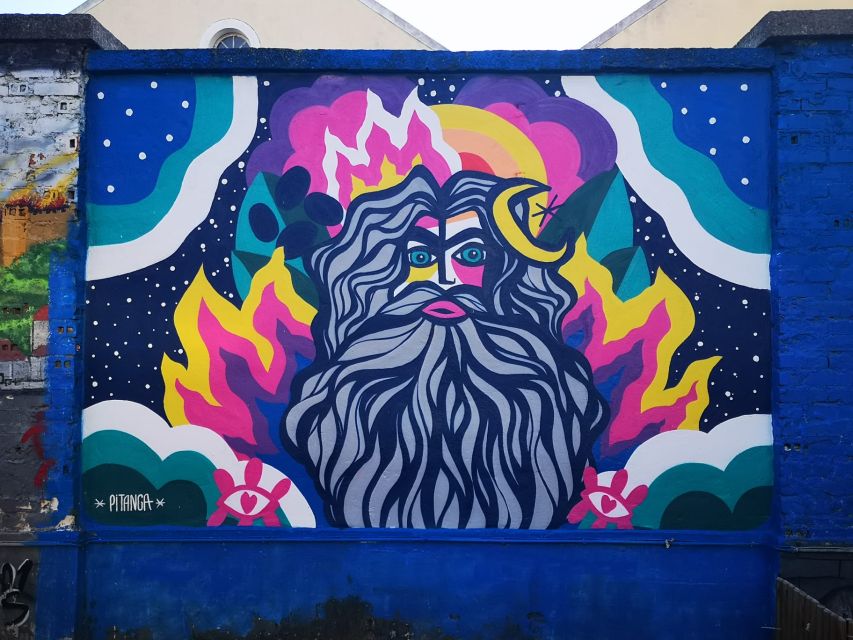
The listed duration ranges from two to four hours, depending on the option and availability. That choice affects the pace more than the basic subject.
A two-hour tour is a good fit if you want a clear introduction to Lisbon’s street art and need to protect the rest of your day. You will see major works, hear about the surrounding districts, and make photo stops without giving the outing half a day.
The shorter option can feel quick because the art is spread across several areas. You are moving between murals as well as stopping to look at them. If you want long pauses, detailed artist discussions, or more time outside the tuk-tuk, two hours may leave you wishing for more.
The four-hour version makes better sense for dedicated street art fans. It gives the guide more room to show additional areas and discuss the city’s past and present. It also allows a calmer rhythm, which helps when you want to study the work rather than simply collect photographs.
I would choose two hours for a first visit with a full sightseeing schedule. I would choose four hours if street art is a major reason you came to Lisbon, or if you have already covered the central attractions.
The tuk-tuk: useful access, imperfect comfort
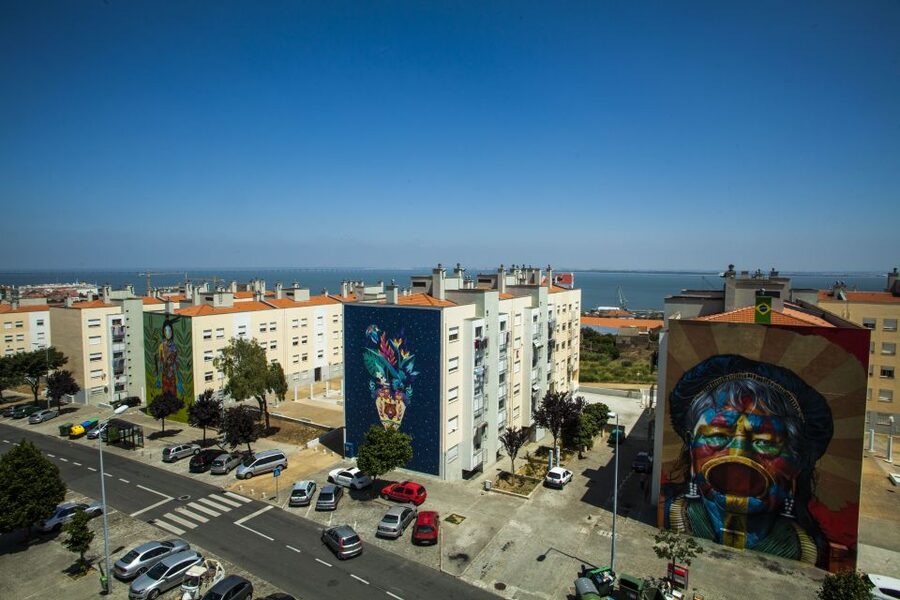
The tuk-tuk is a practical choice for this route. Lisbon’s street art is spread across multiple neighborhoods, and walking between the larger works would use up a lot of time and energy.
You get a raised view of the streets while moving between stops, and the vehicle can bring you close to places that are awkward to connect by public transport. Pickup is included for locations within the city center. If your hotel is too far away, the operator will contact you about a meeting point.
The tradeoff is the ride itself. Lisbon has uneven streets, hills, and rougher stretches, so expect some jolts. One useful review described the ride as bumpy but worthwhile, and that is a fair way to think about it.
This tour is not suitable for people with back problems, pregnant women, wheelchair users, or children under five. Food and drinks are not included, so plan those separately. Bring water, especially if you choose the longer option, though you should not treat the outing as a meal stop.
Is the $165 price fair?
The listed price is $165 per group of up to two people. That is not a cheap way to see murals, but the comparison should be with a private vehicle and guide, not with a public walking route.
For two people, you are paying for door-to-door convenience from central Lisbon, a private experience, transportation between far-flung walls, and a guide who can explain both art and local history. That is a reasonable value if you would otherwise spend several taxi rides or much of a day reaching the same areas.
The price is less compelling if you only want a quick look at graffiti or prefer to explore at your own pace. You could spend less on a self-guided walk, but you would lose the guide’s route planning and the background about artists, housing, industry, and community life.
The value improves for a couple who wants a focused cultural outing without joining a large group. It also suits parents with older children or teenagers who may enjoy the tuk-tuk and large murals more than a formal museum visit. Just remember that the price is for up to two people, so check the cost for your own party before booking.
Practical advice for getting more from the tour
Ask for time to photograph the biggest works. Guides generally build in opportunities to get out, but the route covers a lot of ground and cannot pause at every wall.
Tell your guide what you want at the start. You may prefer artist biographies, local history, social issues, photography, or a broad introduction. The guide can then shape the conversation rather than giving you a fixed speech.
Keep your schedule flexible after the tour. Several guides offer suggestions for restaurants and other places to visit, and the eastern districts may give you ideas for a later return. If you are taking the tour on a day with a festival or local event, the route can become even more varied, but traffic may also require changes.
Use the tour as a way to understand Lisbon’s current direction. The murals are striking, but the surrounding details matter just as much: old factories, worker housing, gardens, convents, palaces, and buildings waiting for a new use.
Who should book this experience?
I would recommend it most strongly to people who like public art, photography, urban change, and local stories. It is also a good choice if you have already seen central Lisbon and want to spend time in parts of the city you would probably not reach on foot.
Families with teenagers can find it a welcome break from churches and museums. Couples get a private ride and an easy way to cover distance. First-time visitors can use it to see a less polished but more everyday side of Lisbon.
I would be cautious if you dislike vehicle tours, want long indoor visits, or need a smooth ride. It is also not a good fit for anyone excluded by the physical restrictions. Street art changes, too, so people looking for a fixed set of famous works should keep their expectations flexible.
Should you book the Lisbon Street Art Tuk Tuk Tour?
Book it if you want more than a drive past colorful walls. The real strength is the connection between art and place: Marvila’s huge murals, the Tejo views, old convents and palaces, art deco warehouses, factory-worker vilas, and gardens all become part of one story.
Choose the two-hour option for a lively introduction. Pay for four hours if you want time to stop, ask questions, and see a wider range of neighborhoods. For two people, the private price is fair when you value personal guidance and easy transport.
If the phrase off the beaten path means something specific to you, this tour delivers it in a practical way. You leave the center, see how Lisbon is changing, and return with a better sense of the city behind the famous viewpoints.
FAQ
Where does the Lisbon Street Art Tuk Tuk Tour take place?
The tour takes place in the Lisbon District, with a focus on Marvila and other neighborhoods outside the main tourist center. The route includes large murals, historic buildings, former industrial areas, worker housing, and urban gardens.
How long does the tour last?
The available duration is two to four hours. Check the available start times and options when booking.
How much does the tour cost?
The listed price is $165 per private group of up to two people.
Which languages are available?
The live guide service is available in English, Portuguese, and Spanish.
Is pickup included?
Pickup is included for locations within Lisbon’s city center. If your location is too far away and would affect the tour time, you will be contacted to arrange a suitable meeting point.
Who should not take this tour?
The activity is not suitable for children under five, people with back problems, wheelchair users, or pregnant women.
Newly added rides around Lisbon
- Tour Bohemian de Tuk Tuk: Bertrand, Miradouros e Estrela★ 5.0 · 24 reviews
- The 7 Hills of Lisbon Tuk Tuk Tour (4-hours)★ 4.8 · 2 reviews
- Street Art Lisbon: Tuk Tuk Tour★ 4.3 · 4 reviews
- Ride the Stories of Lisbon – Tuk Tuk Experience★ 5.0 · 3 reviews
- Lisbon: Belem Sightseeing Tour by Eco TukTuk★ 4.2 · 5 reviews
- Private tuktuk Tour :Old Town Lisbon with hotel pick-up★ 5.0 · 5 reviews
- Lisbon: Private Historic Tour by Eco Tuk Tuk★ 5.0 · 78 reviews
- Private tours of Lisbon in 100% electric tuk-tuks★ 4.2 · 4 reviews
Lisbon Tuk Tuk Tours: the nearest alternatives

True 4Hour Private Tuk Tuk Tour: Discover Lisbon with a Local!
Read our review →

Private Lisbon Sightseeing Tuk-Tuk Tour: Alfama, Belém & More
Read our review →
Lisbon Highlights: Private Tuk Tuk Tour Adventure Sightseeing
Read our review →
Welcome Lisbon Tour with Local Guide in Private Eco Tuk Tuk
Read our review →


Lisbon: Old Town TukTuk Tour and Scenic Viewpoints in Alfama
Read our review →Tuk tuk lists that include it