
Review · KATHMANDU
Kathmandu Food & Drink and Shopping Rickshaw Tour
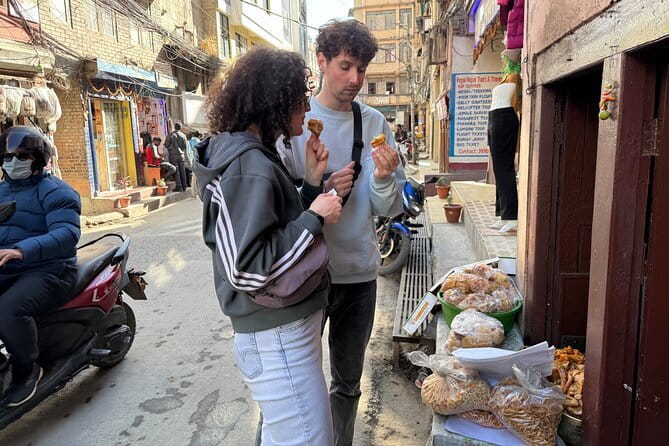
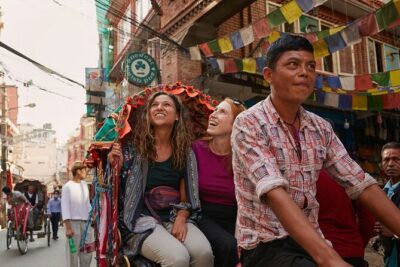
Kathmandu’s best introduction may begin with a rickshaw ride and end with a full stomach. This three-hour outing with guide Deepak Kushwaha links four central neighborhoods with local restaurants, street-food stops, drinks, and shopping for tea and spices.
I like the mix of easy transport and walking, which helps you see more than a standard food crawl. I also like the generous food plan: small dishes early on, followed by a larger meal, with momos, snacks, drinks, coffee or tea, lunch, dinner, and bottled water included.
The main thing to consider is the meeting arrangement. The listed start and finish point is the Kaiser Library, while private hotel pickup and drop-off are not included, so confirm the exact pickup details before setting out.
Key points to know before booking
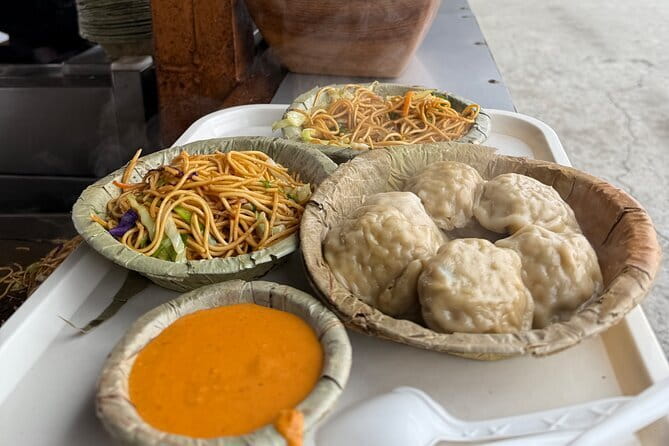
- Five or six food stops may be possible: You can expect several tastings rather than one sit-down meal, with food served at local restaurants and smaller eateries.
- Deepak Kushwaha leads the experience: He explains the dishes, local food customs, and nearby culture while helping the group move between stops.
- The rickshaw is part of the fun: You ride through Kathmandu before and during the walking portions, and a rickshaw ride can be especially welcome after a large meal.
- Shopping is built into the route: Tea and spices are among the useful local products you may have a chance to buy.
- The four neighborhoods feel different: Thamel, Asan, Jyatha, and Chhetrapati give you a broad look at central Kathmandu in a short time.
- The price is low for what is included: At $25 per person, food, drinks, water, and transport make this a strong value for first-time visitors.
Why this Kathmandu food tour works
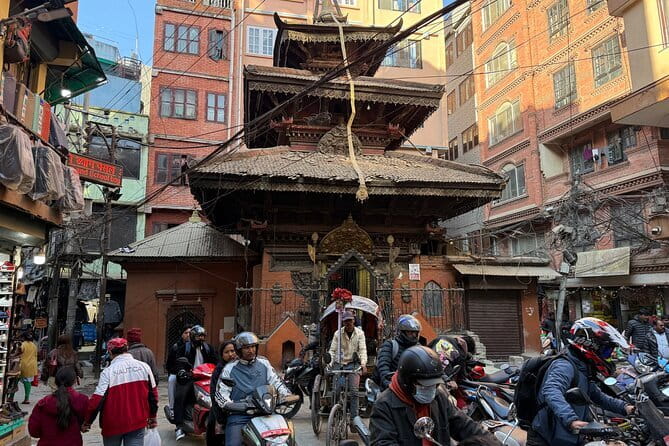
I like food tours that help you understand a city rather than simply feed you. This one uses food as the thread connecting Kathmandu’s streets, markets, old lanes, and daily life.
The route moves through Thamel, Asan, Jyatha, and Chhetrapati. You are not confined to a single restaurant or one polished dining room. Instead, you sample food at several places, hear what you are eating, and see the neighborhoods where people shop, work, and eat.
That variety matters in Kathmandu. A plate of momos tells you one thing. A market full of spices, a tea shop, a narrow lane, and a busy local eating place tell you much more when they appear in the same afternoon or evening.
The experience lasts about three hours. That is long enough to build a meal and get your bearings, but short enough to fit around sightseeing elsewhere in the city. The $25 price also includes the major costs that can quietly add up on a food outing: food, snacks, coffee or tea, bottled water, and the rickshaw ride.
You should still allow room in your budget for personal purchases and a tip. Tea and spices are not included as shopping items, and gratuities are separate.
More Rickshaw Tours in the world:
- Tokyo Asakusa Rickshaw Tour
★ 5.0 · 1,375 reviews - Bruges: Guided Rickshaw Tour
★ 4.9 · 1,199 reviews - Old Delhi Food, Heritage&Cultural Walk with Rickshaw ride to Masterji Kee Haveli
★ 5.0 · 742 reviews
Starting at Kaiser Library and entering Thamel
The meeting point is Kaiser Library on Kanti Path in Kathmandu. The activity ends back at this same meeting point, which makes planning easier if you are using public transport or arranging your own ride.
The first major stop is Thamel, where the tour spends about an hour. Thamel is Kathmandu’s best-known visitor district, but it is more than hotels and souvenir shops. Its streets bring together restaurants, shops, cafés, travel businesses, and old local lanes.
Here, Deepak sets the tone for the food portion. You can expect him to explain what you are eating and guide you toward places you might not choose on your own. That is useful in a city where menus may not always explain ingredients clearly.
Thamel is also a practical first stop because it eases you into the tour. You begin with a familiar area, then move toward more local market streets and older neighborhoods. The rickshaw ride adds a pleasant break from walking and gives you a quick look at the city without asking you to navigate every turn yourself.
One important point: the route is not only a ride. You will spend time walking, entering food stops, and looking around. Wear comfortable shoes and expect city streets rather than a smooth sightseeing circuit.
Asan market streets and the shopping angle
The route then reaches Asan for about 30 minutes. Asan is known for its market activity, and this portion adds a useful shopping element to the food tour.
Food and shopping belong together here. Spices, tea, snacks, and cooking ingredients are not just souvenirs. They offer a small connection to the flavors you are tasting during the tour. You can ask Deepak what a product is used for, how it is prepared, or what makes it useful at home.
Tea and spices are specifically mentioned as shopping possibilities. If you plan to buy something, remember that purchases are personal expenses, not part of the $25 package.
Asan can also feel more purposeful than a typical tourist shopping stop. The point is not simply to browse shelves. You are seeing a market district while learning how food products fit into local routines.
The time here is limited, so do not expect a long shopping session. Think of Asan as a focused market visit within a larger food route. If buying tea or spices matters to you, tell Deepak early so you can use the available time well.
Jyatha and the small-dish rhythm
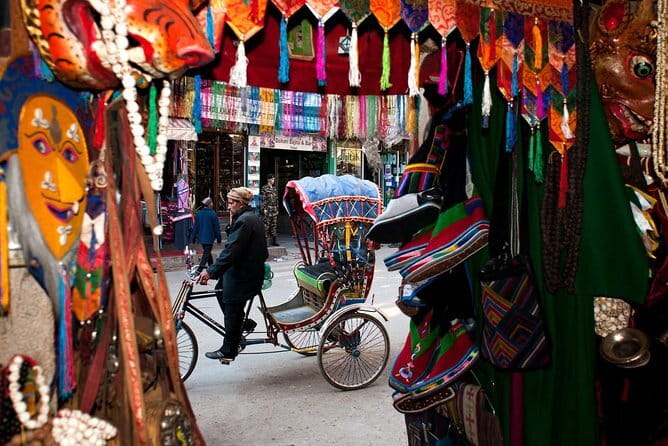
Jyatha receives about 30 minutes on the planned route. This area provides another setting for tasting and walking, with Deepak leading you through local food stops.
One appealing feature of the tour is the way the meal can unfold in stages. The early tastings may be smaller dishes, allowing you to try several things before the larger meal near the end. That pacing is better than eating one heavy plate at the first stop and then struggling through the rest of the route.
Momos are a highlight for many people on this kind of outing, and vegetable momos have been specifically enjoyed on the tour. You may also taste other Nepali foods and drinks, with the guide giving names and descriptions as the food arrives.
That explanation is important. You may recognize a dumpling or noodle dish, but the local name, preparation, and place in Nepali eating habits add meaning. Deepak’s role is not simply to point at a plate. He helps you connect each dish with the wider culture.
The short Jyatha stop also shows why this is not a formal restaurant tour. Timing can depend on kitchens and the group’s pace. Deepak has been attentive about calling ahead so food arrives at the right time, but you should still expect a relaxed local rhythm rather than a stopwatch-perfect schedule.
More Shopping Tours around the world:
- Chef Vu Cooking Class Plus Market Trip in Saigon Center (Pick up by Cyclo)
★ 5.0 · 477 reviews - Authentic Thai Cooking with the Largest market visit &TukTuk ride
★ 5.0 · 350 reviews - Chiang Mai Temples and Market Tuk-Tuk Evening Night Tour
★ 4.5 · 201 reviews - Kampot: Tuk Tuk Trip to Pepper Farm, Kep, Crab Market & More
★ 4.9 · 143 reviews
Chhetrapati and the final full meal
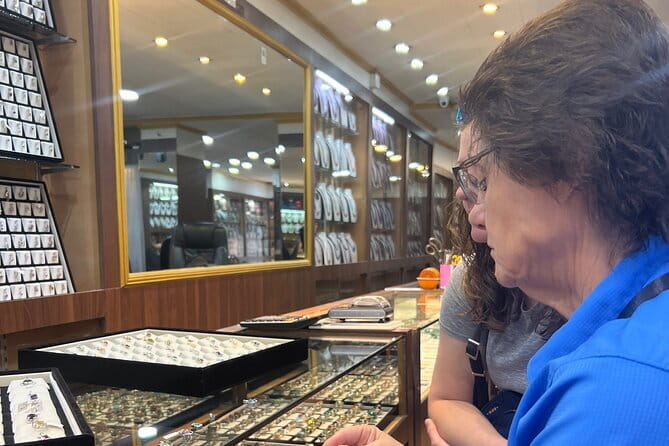
Chhetrapati is the longest stop after Thamel, with about an hour set aside for the area. This is where the experience can build toward its most substantial meal.
The neighborhood’s narrow streets and old lanes provide a different setting from Thamel’s visitor center. You move through an older part of Kathmandu while sampling food at local places. The contrast is one of the tour’s strengths: you get a short ride, a market district, walking streets, and neighborhood food in one compact outing.
The final meal is meant to leave you satisfied. Several accounts of the experience describe a progression from small portions to a larger meal at the end, with enough food to feel very full. That is good value, but it also means you should arrive hungry.
If you have a small appetite, pace yourself. You do not need to treat every early tasting as a full course. Ask Deepak about portion sizes, and let him know about dietary concerns before ordering.
The rickshaw can be especially useful at this point. A ride after dinner is more comfortable than a long walk, and it gives the group time to settle after eating. Since the tour ends back at the Kaiser Library meeting point, you can then continue to your next plan or arrange your own return transport.
What you may eat and drink
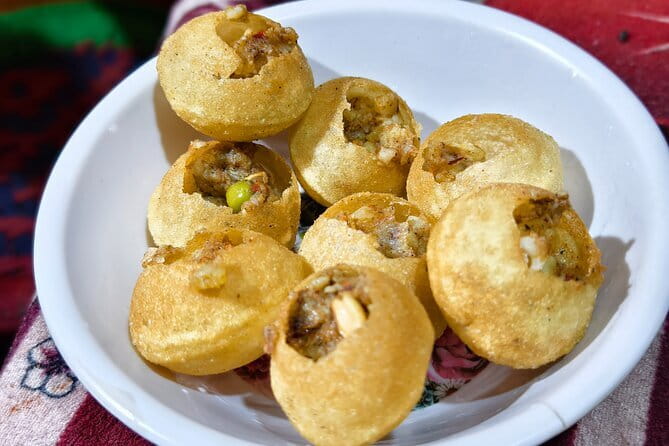
The included food list is broad: lunch, dinner, snacks, coffee or tea, bottled water, and the rickshaw ride. The exact dishes are not fixed in the information provided, but the food experience includes traditional Nepali dishes and tastings at several local restaurants.
You may encounter momos, including vegetable momos, along with other local foods. The experience can include five or six food places, with the guide explaining dish names and ingredients as you go.
I like this format because it gives you range. You can taste something small, decide what you enjoy, and keep learning instead of committing to one unfamiliar plate.
It is also a good fit if you are cautious about ordering food on your own. Deepak can help with the local menu and explain what is being served. Still, you should tell him about allergies, dietary restrictions, or foods you cannot eat before the tour begins. The provided details do not promise a specific vegetarian, vegan, gluten-free, or allergy-safe menu.
The word dinner appears among the inclusions, but the schedule is described only as approximately three hours, not as a fixed breakfast, lunch, or evening departure. Confirm the start time when booking so you know which meal period the tour covers.
The guide makes a real difference
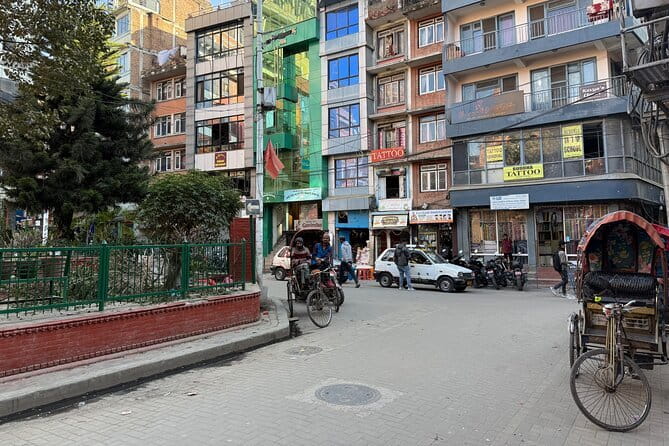
Deepak Kushwaha is the experience provider and guide named for this activity. His role is central because the tour depends on more than getting from one food stop to another.
You can expect a conversational guide who explains the food and culture, helps coordinate the group, and knows the local stops. He has also helped some participants with other bookings and plans, though that should be viewed as an extra kindness rather than a guaranteed service.
This makes the tour useful for solo visitors. You can join a group, share food, and get practical local guidance without paying for a private tour.
The group may include people from Nepal, Japan, and other countries. The listed maximum is 100 participants, which is a very large possible limit for a food walk, even if the actual group may be smaller. If group size matters to you, ask for the expected number before booking.
A large group can make restaurant seating and street movement less personal. On the other hand, it can create a social evening and make the price especially good. Your preference here should guide the decision.
Rickshaw transport, walking, and timing
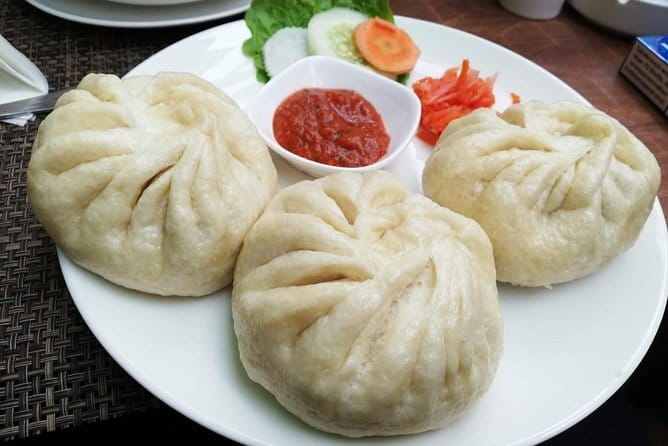
The rickshaw ride is not just a transfer. It gives the tour its character and lets you cover more ground through central Kathmandu without spending all three hours on foot.
You will still walk through Thamel, Asan, Jyatha, and Chhetrapati. This is not a fully vehicle-based sightseeing tour, and the narrow streets are part of the point. Comfortable footwear is sensible, and you should be ready for regular city movement between food stops.
Pickup is worth clarifying. The general tour information says pickup is offered, but the included services specify that private transportation pickup and drop-off are not included. The formal meeting point is Kaiser Library, and the activity ends there. I would treat the library as your guaranteed meeting location and confirm any pickup offer before relying on it.
The tour is listed as suitable for most people and near public transportation. No special accessibility details are provided, so ask ahead if you have mobility needs, food restrictions, or concerns about walking and rickshaw boarding.
Is $25 a good value?
Yes, provided you want a food-focused outing rather than a private sightseeing tour.
For $25, you receive approximately three hours of guiding, a rickshaw ride, multiple food tastings, snacks, lunch or dinner, coffee or tea, and bottled water. Even with a modest meal, those inclusions make the price attractive.
The value is strongest for first-time visitors to Kathmandu. You get an introduction to four central areas, help choosing food, and a chance to shop for tea and spices without having to plan every stop yourself.
The value is less clear if you prefer a quiet private meal, a tightly controlled menu, or a small group. The possible maximum of 100 people means you should not assume an intimate experience. You also pay separately for personal shopping, tips, and any private transfers.
Free cancellation is available if you cancel at least 24 hours before the start time. Cancellations within 24 hours are not refunded, and changes inside that period are not accepted.
Who should book this food and rickshaw tour?
I would choose this tour if you are new to Kathmandu, enjoy trying several dishes, and want a local guide to explain what you are eating. It is also a good option for solo visitors who want an organized evening with food, conversation, and a chance to meet people from different places.
It suits adventurous eaters who like momos, snacks, drinks, and unfamiliar local dishes. It also works for shoppers interested in tea and spices, though you should not expect a dedicated shopping tour.
I would be more cautious if you need a fixed menu, private transport, a small group, or detailed accessibility arrangements. The tour is built around shared food, city walking, and a flexible local pace.
Final decision: book it if you want food with a sense of place
Book the Kathmandu Food & Drink and Shopping Rickshaw Tour if you want a low-cost introduction to local food and central Kathmandu. The strongest reasons are the combination of rickshaw travel, several neighborhood stops, a generous amount of food, and Deepak Kushwaha’s personal guidance.
Arrive hungry, wear comfortable shoes, and confirm the meeting and pickup details. If you want to taste Nepali food without guessing which places to choose, this three-hour route offers a practical and sociable way to begin.
FAQ
How long does the Kathmandu food and rickshaw tour last?
The tour lasts approximately three hours.
Where does the tour begin?
The listed meeting point is Kaiser Library, P878+H4G, Kanti Path, Kathmandu 44600, Nepal.
Where does the tour end?
The activity ends back at the Kaiser Library meeting point.
Is hotel pickup included?
Private transportation pickup and drop-off are not included. The general information says pickup is offered, so confirm the exact arrangement before booking.
What does the $25 price include?
The price includes the rickshaw ride, lunch, dinner, snacks, coffee or tea, and bottled water.
Are shopping purchases included?
No. Personal expenses, including purchases such as tea and spices, are not included.
How many people can join the tour?
The activity can have a maximum of 100 participants.
Can I cancel for a full refund?
Yes. You can receive a full refund by canceling at least 24 hours before the experience start time. Cancellations or changes made within 24 hours are not accepted for a refund.
Newly added rides around the world
- Kochi Exclusive Local Sightseeing Tuk-Tuk Tour★ 5.0 · 18 reviews
- 4 Hour Private Tuk Tuk Tour in Kochi From Cruise terminal★ 5.0 · 23 reviews
- Cochin Private guided Tuk Tuk tours with pick up from cruise ships★ 4.5 · 10 reviews
- Kochi private Tuk-Tuk (Auto Rickhaw) Tour★ 4.0 · 7 reviews
- Fort Kochi Tuk Tuk Tour★ 5.0 · 28 reviews
- Fort Kochi Sightseeing Tuk Tuk Tour★ 5.0 · 80 reviews
- Fort Kochi Tuk Tuk Tour & Sightseeing with a Local Driver★ 5.0 · 4 reviews
- Fort Kochi Tuk-Tuk Sightseeing Tour with Local Guide★ 5.0 · 78 reviews
Kathmandu Tuk Tuk Tours: the nearest alternatives
Kathmandu Sunset Tour by Rickshaw Including Durbar Square Visit
Read our review →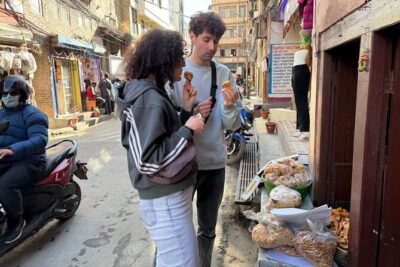
Kathmandu: Food, Drink and Shopping Rickshaw Tour
Read our review →
Kathmandu at Sunset: Explore the City on Rickshaw
Read our review →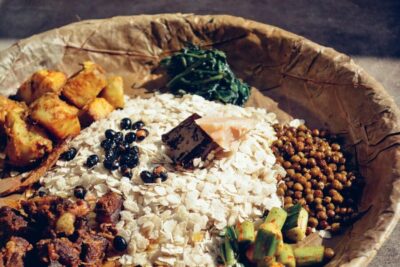
Kathmandu Rickshaw Tour Of Thamel And Durbar Square
Read our review →Tuk tuk lists that include it