Review · PHNOM PENH
Silk Island & countryside of Phnom Penh by Tuk Tuk
The best part of this half-day outing is the quick change of scene. One moment you are crossing the Mekong beside commuters and tuk tuks, and soon you are rolling past mango trees, rice fields, ginger plots, and small villages on Silk Island. The ferry rides and quiet country roads make this feel far removed from Phnom Penh.
I like the family-run silk workshop, where you can see the patient work behind a scarf or sarong, and the chance to eat a Khmer meal near the river. I also like that guides such as Thong Chea, Mon, Tida, and Sok Mon are described as warm, flexible, and eager to explain daily life. The main drawback is that this is a simple rural outing, not a polished sightseeing production. Dinner may be basic, insects can appear near the river, and some farm stops are drive-bys rather than full visits.
Key points to know before you book
- The ferry is part of the adventure: You cross the Mekong and may use small local ferries between islands, often with the tuk tuk aboard.
- Silk production is small-scale: Expect a family workshop with handwork, not a large commercial factory or formal museum.
- Food is included: A local Khmer lunch or dinner, tropical fruit, and drinking water are provided. Vegetarian food is available if requested.
- The countryside is the focus: You see farms, village lanes, markets, temples, and cottage businesses rather than a long list of major monuments.
- The group stays small: The maximum is 12 people, with hotel pickup and drop-off by tuk tuk or minivan, depending on group size.
- Plan for heat and dust: The tour runs about three to five hours, and the open tuk tuk gives you fresh air but little protection from sun and road dust.
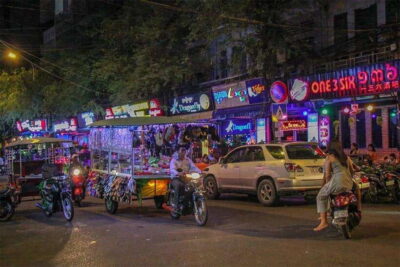
Leaving Phnom Penh by ferry at Phsar Areyksat
Your outing begins with hotel pickup in Phnom Penh. Depending on the size of your group, transport is by tuk tuk, locally called a remork, or by minivan. The tuk tuk is the better match for the day because you feel the air, hear the city fade, and get a close view of the roads. A minivan offers more shelter if the group is larger or the weather is difficult.
The first ferry crossing is one of the most memorable parts of the trip. The route reaches the area where the Mekong, Tonle Sap, and Bassac meet, and the crossing gives you a new view of Phnom Penh from the water. This is not a private cruise. It is a working ferry used by local people, which is exactly why it feels useful and real rather than staged.
You may also use smaller ferries later as you move between the islands. Taking a tuk tuk on and off a local ferry adds a little comedy and a lot of character to the ride. Keep your camera ready, but also watch your belongings and follow your guide’s directions during each crossing.
The first stop is Phsar Areyksat, where you can walk through a local market. This is a good place to notice the everyday details that are easy to miss from a vehicle: produce, food stalls, household goods, and the pace of village trade. It is not presented as a major tourist market, so do not expect souvenir shopping or a carefully arranged display.
More Countryside Tuk Tuk Tours in Cambodia
- Afternoon tour by tuk tuk to bamboo train,bat cave,killing cave,countryside.
★ 5.0 · 344 reviews - 4 hours taking tuk tuk to see Mekong dolphins and countryside
★ 4.5 · 36 reviews - Full day tour by bicycle & tuk tuk,bamboo train,bat cave,villages
★ 5.0 · 27 reviews
Walking through villages and working farms
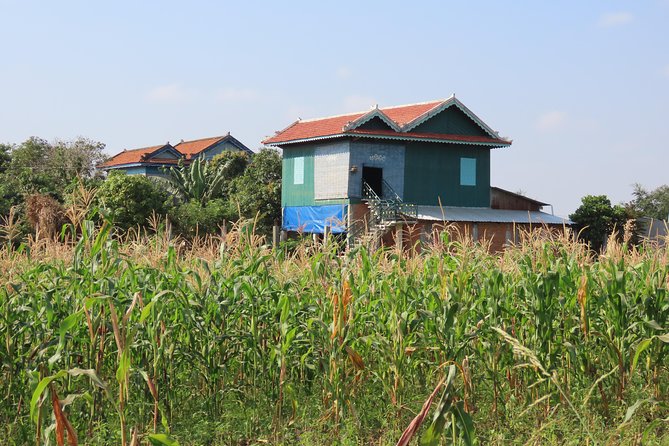
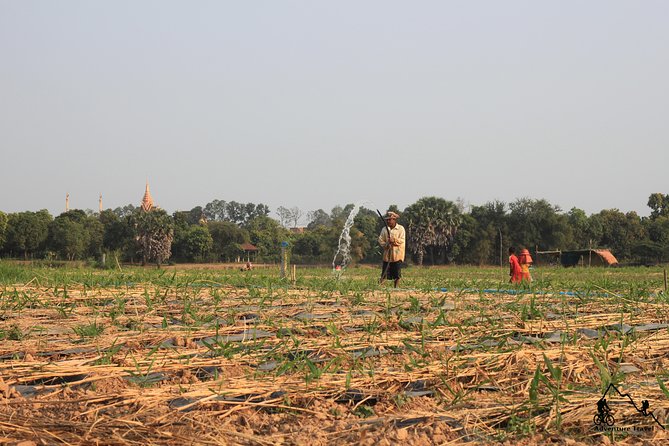
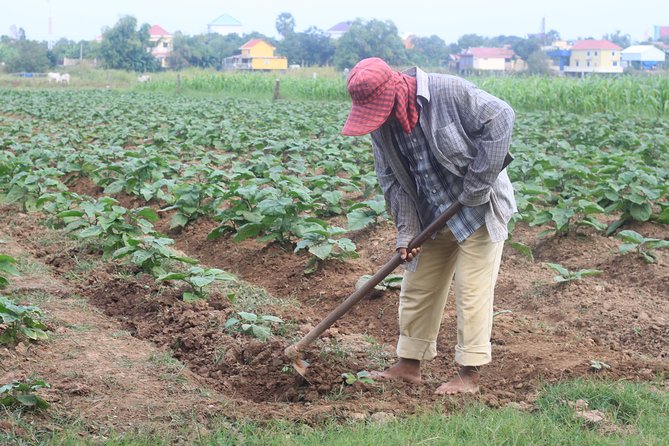
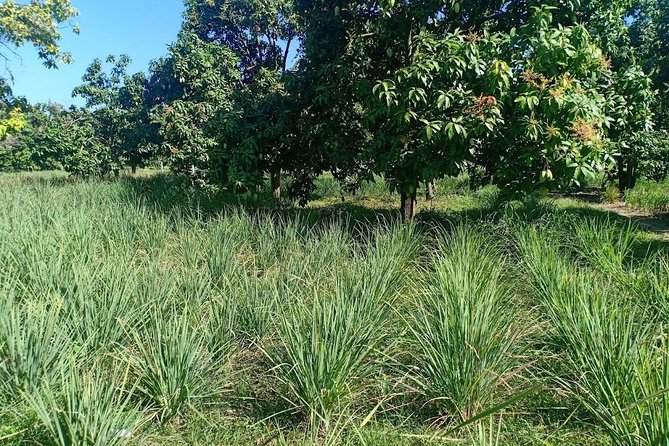
After the market, you walk through villages and the surrounding countryside. The route passes plantations and small fields growing mangoes, bananas, corn, lemongrass, ginger, taro, rice, and water lilies. The value here is not a single dramatic sight. It is the chance to see how food production fits into ordinary family life.
Your guide can explain how crops are planted, rotated, and used in Cambodian cooking. You may stop for fruit at a village, and several outings have included mangoes or other tropical snacks offered by local families. This is one of the more pleasant features of the tour because it creates a personal meeting rather than another quick photo stop.
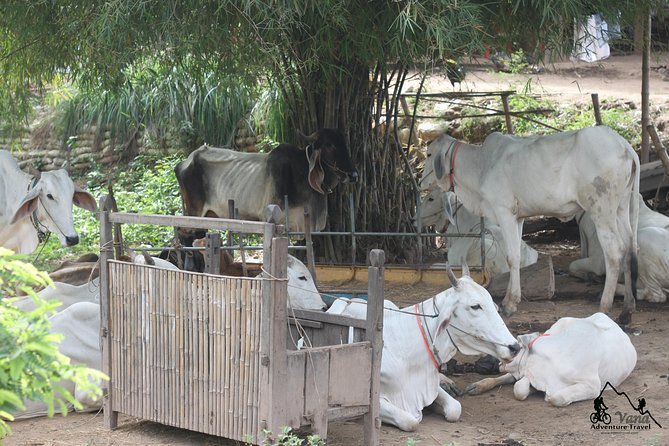
The word farm can suggest a large, organized attraction, but that is not what you should expect. These are family plots and working fields. Sometimes you stop to look closely; at other times, you simply pass through by tuk tuk. One useful point to clarify at booking is how much walking and how many farm visits are planned for your departure.
The open countryside also brings practical limits. It can be hot, and the road may be dusty. Wear comfortable shoes, carry sun protection, and choose light clothing. The supplied information lists a formal dress code, while the setting is plainly rural, so modest clothing that covers shoulders and knees is the safest choice, especially for the monastery visit.
Sedge mats and the island’s cottage industries
Along the Mekong, you may stop to see sedge mats being woven. This craft is easy to overlook, but it shows how village work is tied to local materials and household income. The process is hands-on and repetitive, and it gives you a better sense of the time required to make an everyday item.
The tour also visits a small bean-curd business. Bean curd is used in Cambodian dishes such as soups and stir-fried noodles, and you can see how a basic ingredient is produced on a family scale. This stop adds variety to the silk visit and helps you understand that Silk Island is not built around one craft alone.
These visits are usually conversational rather than formal demonstrations. Your guide translates and explains what is happening, then you have time to ask questions. Do not expect a large visitor center, signs in several languages, or a staged performance. The reward is seeing modest businesses at close range.
Shopping pressure is not meant to be part of the outing. You may see scarves, runners, or other handmade items at the silk workshop, but the stated aim is to observe the work. If you like supporting family businesses, this is a natural place to buy something. If you do not want to shop, you should be able to look without being pushed.
The silk workshop, from thread to woven cloth
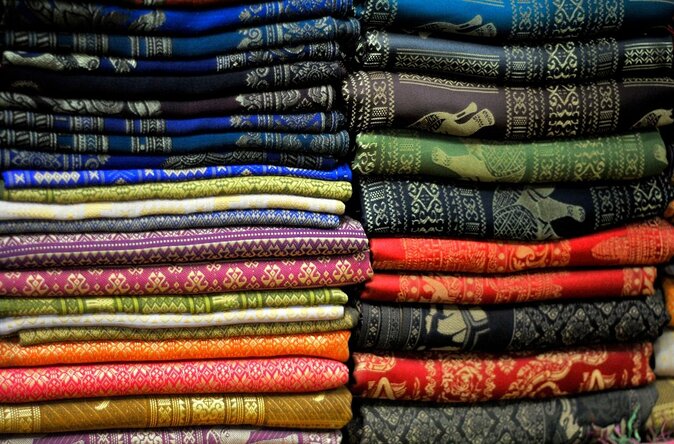
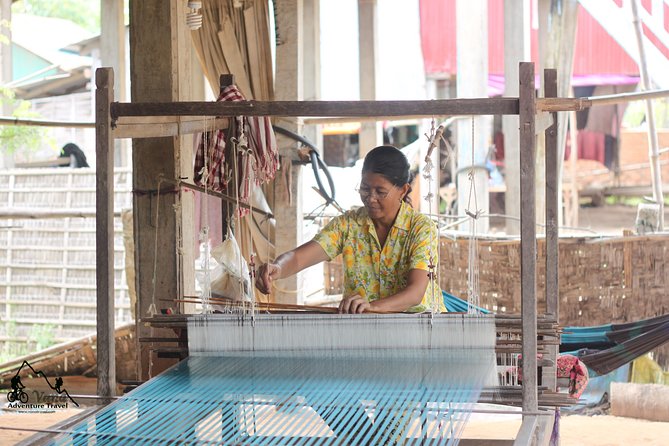
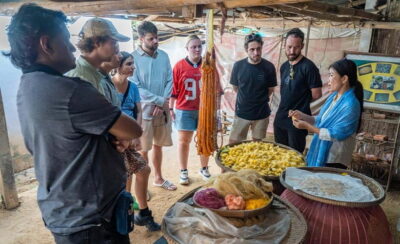
The silk stop is the heart of the excursion. At a small family workshop, you can learn about the path from silkworm production to thread and finished cloth. Depending on the day, you may see silk being spun or woven and may get a chance to try weaving yourself.
This is valuable because silk fabric can look effortless once it is finished. Watching the work makes the time and patience visible. The process involves several stages, and the careful handwork gives a scarf or sarong a meaning beyond its color and pattern.
Keep your expectations realistic. The workshop is described as a family business, not a large silk farm with rows of facilities. You may see only a few women working, and activity can vary from one visit to the next. One complaint about the tour questioned how active the workshop was, so anyone seeking a technical silk lesson should treat this as an informal local visit rather than a full production tour.
The workshop is most enjoyable when you approach it with curiosity. Ask how the cloth is made, what products are sold, and how the work fits into village life. Guides including Thong Chea and Sok Mon are praised for explaining the process and answering questions, though guide quality can vary by departure.
More Countryside Tuk Tuk Tours in Phnom Penh:
- CuChi Tunnels&Mekong Delta-Boat,TukTuk,Coconut Village SmallGroup
★ 5.0 · 3,113 reviews - From Ho Chi Minh City: Discover Mekong Delta & Coconut Village
★ 5.0 · 863 reviews - Private Tour of the Medieval Village of Ostuni by Tuk Tuk
★ 4.5 · 278 reviews - Tuk tuk Tour Tavira Total – 2h00 – Includes Tuna Museum and Fishing Village
★ 5.0 · 71 reviews
A quiet Buddhist monastery on Silk Island
The route includes a Buddhist monastery, sometimes described as a beautifully painted nun temple. This is a quieter pause after the roads and craft visits. The buildings and decoration offer a look at Cambodia’s spiritual life, while your guide can explain basic religious customs and the role of the monastery.
This stop calls for respectful behavior. Dress modestly, speak softly, and follow local instructions about where to walk or stand. The monastery is not treated as a theatrical attraction, so the experience depends on taking time to look and listen.
For many people, this is one of the strongest parts of the day because it adds context. You are not only seeing farms and businesses. You are also seeing a place where local people gather for religious life and community events.
Khmer food beside the Mekong
The final meal is served at a local Khmer restaurant, with some outings using a floating or riverside dining area. The setting is simple and peaceful, often with views across the water. A hammock may be available after lunch on some departures, which gives the meal a slow, unhurried finish.
Food is included, along with tropical fruit and water. Vegetarian meals can be arranged if you advise the operator when booking. Alcohol is not included, but it can be purchased.
The meal is one of the reasons I see value in the $45 price. You are not paying only for a vehicle and a guide. The fee also covers ferry crossings, local contributions, food, fruit, and hotel transfers. For a private or small-group outing lasting three to five hours, that package is fair, especially if you value local access more than a packed sightseeing schedule.
Still, this is not a refined restaurant experience. A riverside setting also means insects, and one very negative account described ants on tableware and insects in the food. The operator acknowledged that insects can appear near farmland and the river, especially in the evening, and issued a full refund in that case. If you have a low tolerance for basic dining conditions, ask about the planned restaurant and departure time before paying.
Morning or early evening: choosing the right departure
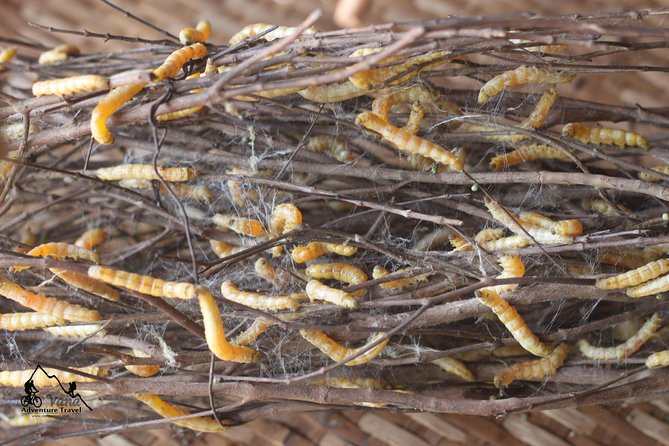
The tour can run in the morning or early evening. A morning outing may suit you if you want brighter views of fields and markets and prefer to finish before the day becomes too hot. An early-evening departure can give you softer light and a riverside meal around sunset.
The timing changes the feel of the trip. Morning is more practical for seeing farm activity, while evening can be calmer and more atmospheric. The total duration is listed as about three to five hours, so allow room for ferry schedules, road conditions, and the pace of your guide.
The maximum group size is 12, but a smaller group will feel more personal in the tuk tuk and at family workshops. Hotel pickup and drop-off are included, which removes the need to arrange separate transport to the ferry.
Guide style, comfort, and what to bring
The strongest part of the guiding is the personal explanation of Cambodian food, farming, religion, and family businesses. Guides named in the feedback include Thong Chea, Mon, Sok Mon, Tida, Narith, Mr Pi, and Mr Chea Thong. The operator may assign someone else, so you should not book solely for one particular guide unless that is confirmed.
Several guides are described as friendly, prepared, and willing to adjust the timing or content. English ability can vary, and one dissatisfied customer felt the explanations were limited. If you want nonstop commentary, this may not be the right format. If you prefer pauses, questions, and direct contact with local people, the style should suit you.
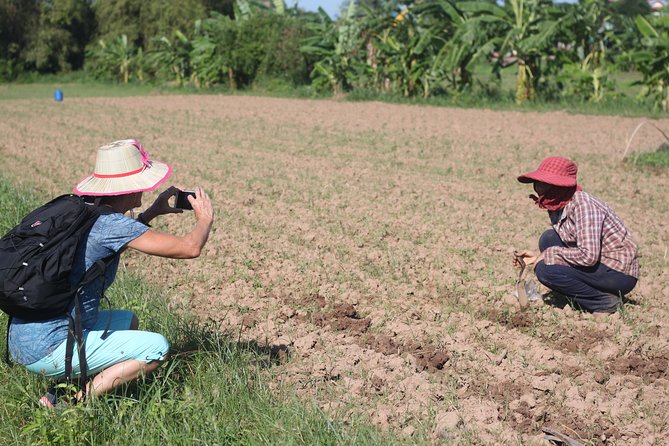
Bring sunscreen, water-friendly footwear or sandals, insect repellent, and a hat. The operator supplies drinking water, but you may still want extra water for a hot day. A phone or camera is useful, though ask before photographing people at homes, workshops, markets, or the monastery.
The tour is listed as suitable for most people, and a child rate applies when a child shares with two paying adults. The maximum group size is 12. No special accessibility details are provided, so ask before booking if you need assistance with ferries, tuk tuk steps, uneven paths, or walking distances.
Is $45 a fair price?
At $45 per person, this is good value if you want transport, a guide, ferries, food, fruit, and a rural program in one booking. A casual tuk tuk ride alone would not provide the same explanation or arranged access to the silk workshop, bean-curd maker, monastery, and local meal.
The value is less clear if you expect a long silk demonstration, extensive farm visits, or restaurant-level dining. Some parts involve passing fields rather than stopping, and the workshop is small. You are paying for a broad, flexible introduction to island life, not a specialist craft tour.
The free-cancellation policy also helps with planning. You can cancel for a full refund up to 24 hours before the start time. Cancellations or changes inside 24 hours are not refundable.
Who should book this Silk Island outing?
I would choose this trip if you want a break from Phnom Penh’s traffic and a closer look at ordinary Cambodian life. It suits first-time visitors, families, food-minded people, photographers, and anyone who prefers small businesses and village roads to a large group attraction.
It is also a good choice if you have already seen the main Phnom Penh sights and want something slower. The ferry crossings, food stops, and tuk tuk travel make it feel like a day out rather than a string of monument visits.
I would hesitate if you need air-conditioning, spotless formal dining, a tightly timed schedule, or a guaranteed expert silk lecture. The countryside is the point, and countryside conditions come with heat, dust, insects, and occasional uncertainty.
Should you book it?
Book it if you want real working villages, local food, and a flexible guide-led route within easy reach of Phnom Penh. The strongest moments are the ferry rides, the family silk workshop, the farm roads, and the meal beside the Mekong.
Before confirming, tell the operator if you need vegetarian food, ask which departure time is available, and clarify how much walking and how many farm stops are planned. With those expectations in place, this is a rewarding way to see the quieter side of the capital for $45.
FAQ
How long does the Silk Island tour last?
The experience lasts approximately three to five hours.
What is the price?
The listed price is $45 per person.
Is hotel pickup included?
Yes. Hotel pickup and drop-off are included.
How will I travel?
You travel by tuk tuk, also called a remork, with an experienced driver. A minivan may be used instead when group size requires it.
Is the ferry crossing included?
Yes. Ferry crossing fees and a contribution to the villager are included.
Is food included?
Yes. Tropical fruit and a local Khmer lunch or dinner are included.
Can I request vegetarian food?
Yes. A vegetarian option is available, but you should advise the operator when booking.
Is alcohol included?
No. Alcoholic drinks are not included, though they are available to purchase.
How many people can join the tour?
The maximum group size is 12 people.
Can I cancel for a refund?
Yes. You can cancel at least 24 hours before the start time for a full refund. Cancellations or changes made less than 24 hours before the start time are not refunded.
Newly added rides around Phnom Penh
- Phnom Penh: Walking Tour, Food Tour & Sunset Cruise★ 4.9 · 10 reviews
- Phnom Penh: Silk Island Sunset by Tuk Tuk with food & drinks★ 5.0 · 12 reviews
- Phnom Penh: Street Art & Food Tour by Tuk-Tuk★ 4.9 · 69 reviews
- Phnom Penh: Street Art and Noodle Tour by Tuk Tuk★ 5.0 · 3 reviews
- Phnom Penh: Private Tuk-Tuk Tour with English-Speaking★ 5.0 · 8 reviews
- Phnom Penh Historical Sites Tour by Tuk Tuk★ 4.3 · 30 reviews
- Phnom Penh: Morning Market & Guided Breakfast Tour by Tuktuk★ 5.0 · 7 reviews
- Phnom Penh: Mekong River Sunset Cruise and Tuk Tuk Ride★ 5.0 · 2 reviews
Phnom Penh Tuk Tuk Tours: the nearest alternatives
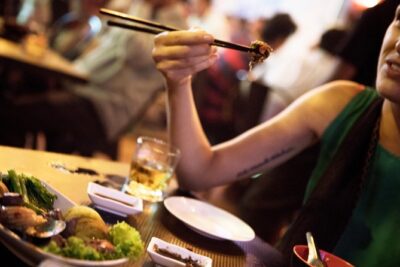
Ultimate Phnom Penh Food Tour by Tuk Tuk: 20 Tastings and Drinks
Read our review →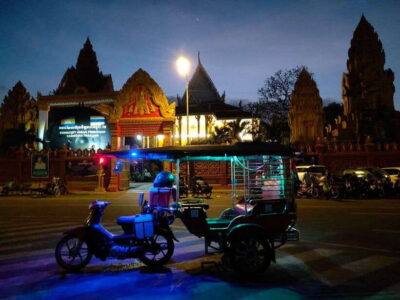
Phnom Penh to Silk Island By Tuk-Tuk with local Expert
Read our review →
Phnom Penh’s Culinary Underground: Local Food Tour by Tuk-tuk
Read our review →
Phnom Penh: Private City Tour by Tuk-Tuk/Full or Half Day
Read our review →
Phnom Penh: Evening Food Tour with Drinks & Tuk Tuk Included
Read our review →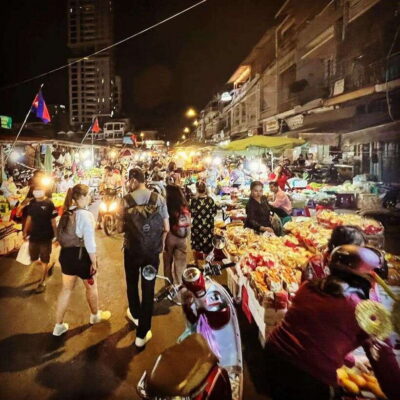
Phnom Penh’s Ultimate Street Food Tour by Tuk Tuk
Read our review →