
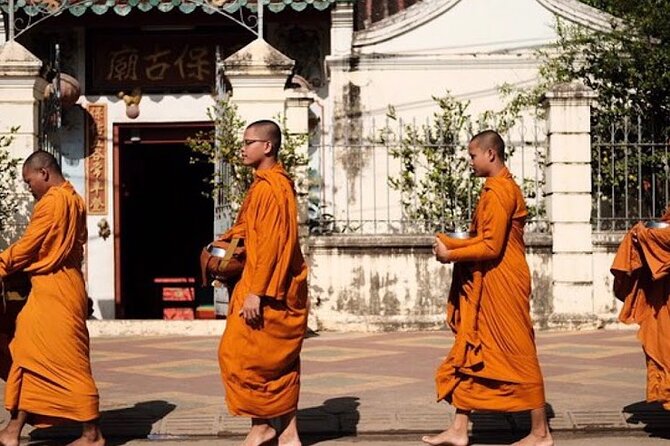
Review · BATTAMBANG
half day morning tour by Tuk-Tuk
Battambang’s countryside is best seen slowly, with the road open to the breeze and a local guide pointing out the small details you would miss from a car. This half-day trip combines colonial Battambang, village food, and ancient temples with rides in a tuk-tuk or motorbike.
I like the hotel pickup and drop-off, especially for a morning tour that starts at 8:30 a.m. I also like the food stops: bamboo sticky rice, spring rolls, dry banana, rice noodles, rice paper, and rice wine give you a direct taste of daily Khmer life. The guide provides bottled water throughout the tour, which is a small but useful touch.
The main point to check is the schedule. The tour is advertised as four to five hours, but the listed stops add up to about six hours, and the Bamboo Train costs an extra $5. Ask the provider to confirm the exact route and finish time before booking.
Key points to know before you book
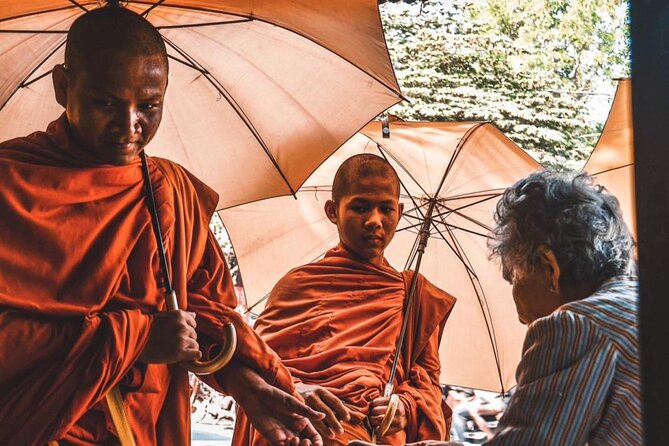
- Local food is part of the tour: Try bamboo sticky rice, spring rolls, dry banana, rice noodles, rice paper, and rice wine as you move through the countryside.
- Hotel pickup begins at 8:30 a.m.: Pickup and drop-off make this easy to fit into a short Battambang stay.
- The group is limited to eight people: That is small enough for easier conversation and quicker stops.
- Wat Samrong Knong carries difficult history: The old temple was used as a prison during the Pol Pot regime.
- The Bamboo Train costs extra: The ride is not included in the tour price and is listed at $5 per person.
- The advertised timing needs clarification: The individual stop times total longer than the stated four to five hours.
A tuk-tuk morning through Battambang’s back roads
For $16 per person, this is a good-value introduction to Battambang if you want more than a ride between major sights. The tuk-tuk gives you a low, open view of the town and countryside. You hear the road, see passing village life, and can stop for small food samples rather than spending the whole morning inside a vehicle.
The experience is provided by Battambang Tours by Bun. The group limit is eight people, which matters here. A small group makes it easier to ask questions about Cambodian food, local customs, and the area’s past. It also helps when visiting small family-run food stops, where a large tour group could feel awkward.
You can explore by tuk-tuk or motorbike. The available transport may depend on the day and your booking, so confirm your preference if it matters to you. Either way, this is a road-based tour rather than a formal museum visit. You are moving through working parts of Battambang and seeing how local products are made.
The 4.9 rating from 20 reviews and 100 percent recommendation rate point to a consistently well-received experience, though the sample is small. The strongest praise focuses on the guide’s detailed information about Cambodian culture and history, the steady supply of drinking water, and the range of snacks.
More tuk tuk tours around Battambang:
- Battambang: Tuk-Tuk, Bamboo Train, Killing/Bat Caves, Sunset
★ 4.9 · 1,436 reviews - Battambang Tuk Tuk tour: Bambootrain, Killing & Bat Caves,Sunset
★ 5.0 · 799 reviews - Afternoon tour by tuk tuk to bamboo train,bat cave,killing cave,countryside.
★ 5.0 · 344 reviews
Battambang’s colonial streets and local market
The morning begins with hotel pickup at 8:30 a.m. The first hour is spent around Battambang city, including the French colonial buildings and a real local market.
The colonial architecture gives you a quick sense of Battambang’s past as a regional trading center. This is not a long architectural tour, but it is a useful orientation. You can see how the city differs from Cambodia’s temple sites, with old urban buildings rather than carved stone towers.
The local market adds a more immediate view of daily life. Markets are where food, conversation, and commerce come together, and this stop helps set up the rest of the morning. After seeing products sold in town, you later get to see some of those foods being made in the surrounding countryside.
The city stop is listed as lasting one hour, with no admission fee. That makes it a practical first stop rather than a major time commitment. If you want a detailed architectural study, this tour may feel brief. If you want a quick introduction before heading outside town, the timing works well.
Food-making in the Cambodian countryside
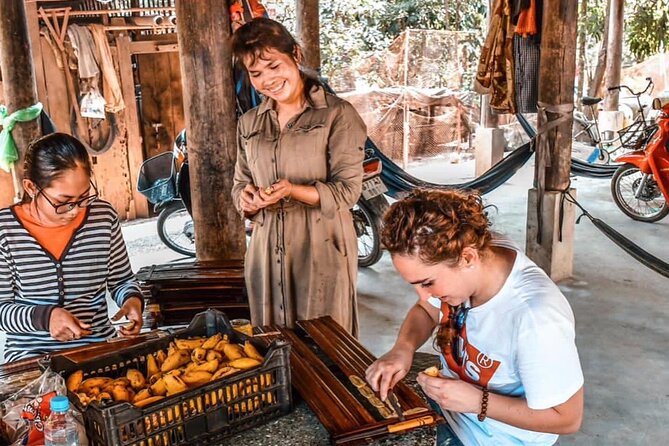
One of the best reasons to choose this experience is its attention to ordinary food production. You are not simply shown finished dishes. You get to learn how rice noodles, rice paper, and Cambodian cheese are made.
These stops help explain how rice shapes Cambodian life. Rice is not only served beside a meal. It becomes noodles, wrappers, sticky snacks, and other local foods. Seeing those methods gives more meaning to the samples you taste along the way.
The included snacks may include bamboo sticky rice, spring rolls, dry banana, and other local produce. Rice wine is also listed among the samples. The exact selection can vary, but the tour is designed around trying several small portions rather than sitting down for a full lunch.
That distinction matters. Lunch is not included, and the food samples should not be treated as a replacement for a meal. Eat breakfast before pickup, especially if you are traveling with children or expect to stay out for the full morning.
A donation to the local family is included. That is a useful detail because these visits are more than quick photo stops. The donation gives the family some direct support for sharing its work and products.
The food portion is also where the tour feels most personal. The ancient temples are important, but the rice noodles, rice paper, and sticky rice connect you with present-day Cambodia. I would pay close attention here and ask questions, since these smaller stops may be the most memorable part of the morning.
Wat Samrong Knong and Cambodia’s painful past
Wat Samrong Knong is listed as the longest stop, with about three hours assigned to it. The site includes a Buddhist temple more than 300 years old, but it also carries a painful modern history. During the Pol Pot regime, the site was used as a prison.
That contrast makes the visit more serious than a standard temple stop. You see an old religious place while also confronting the damage caused during Cambodia’s years of political violence. A guide who explains both parts can help you understand why the site matters.
Allow yourself to listen carefully here. The historical information is not simply background decoration. It changes how you view the temple grounds and gives context to Cambodia beyond its ancient monuments.
The long time allocation may be useful if the guide provides a detailed explanation and you want to ask questions. It may feel lengthy if you prefer a faster sightseeing pace. Families should consider the ages of their children, since the site’s prison history can be difficult subject matter.
Admission to Wat Samrong Knong is included. You do not need to budget an additional entrance fee for this stop.
The tour’s strongest reported praise concerns clear information about Cambodian culture and history. Wat Samrong Knong is likely where that strength matters most. This is the place to listen rather than rush through with a camera.
Same streets, seen from a different seat:
- Explore Battambang full day tour by Tuk Tuk (start from 9am-6:30pm)
★ 5.0 · 240 reviews - Battambang: Bamboo Train, Bat Cave, Killing Cave by Tuk Tuk
★ 5.0 · 182 reviews - A Day TukTuk Handicrafts Bambootrain Killing&BatCaves,Sunset
★ 4.9 · 78 reviews - A Day TukTuk Bambootrain, Banan, Killing & Bat Caves, Sunset
★ 4.9 · 48 reviews
Prasat Ek Phnom before the ride home
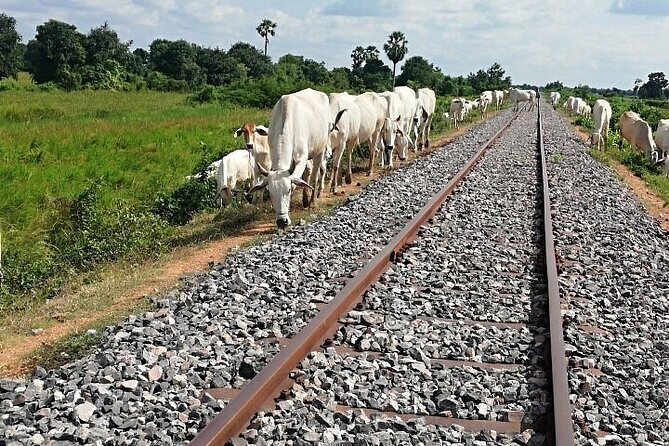
Prasat Ek Phnom is the next major temple stop. The temple was built thousands of years ago, before Angkor Wat, and the site also includes a large Buddha statue.
That earlier date gives the visit an important place in Cambodia’s story. Angkor receives most of the attention, but older temple remains help show that Khmer religious and architectural traditions developed over a long period.
The stop is listed at about one hour and includes admission. That should give you enough time to see the main features without turning the visit into a full-day archaeological outing.
The site may suit you if you want ancient ruins but do not want to spend an entire day moving between temple complexes. It also provides a contrast with Wat Samrong Knong. One stop connects a living Buddhist setting with recent history, while the other takes you much further back into the ancient Khmer past.
The itinerary says the guide will drop you at your hotel after visiting Prasat Ek Phnom. It also lists the Bamboo Train as another stop, so the order and final drop-off point are not entirely clear. This is the most important practical question to settle before departure: confirm whether the Bamboo Train comes before the final hotel drop-off and how long the full tour will last.
The original Bamboo Train, with an extra ticket
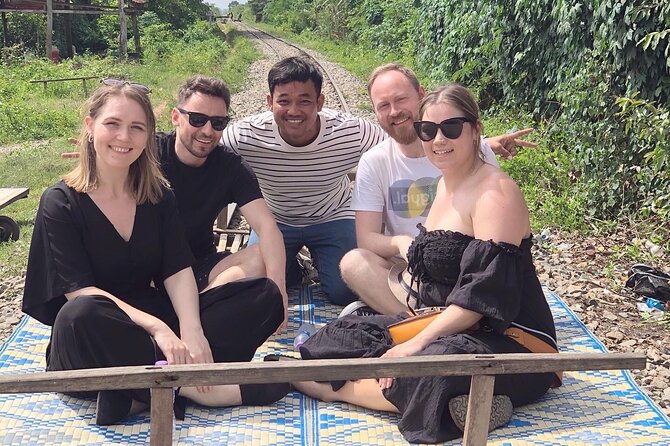
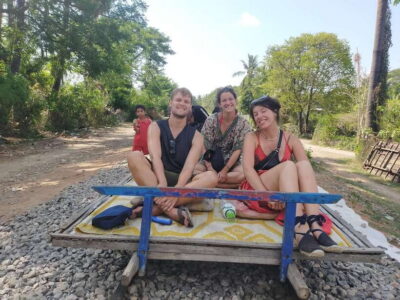
The Bamboo Train is listed as a one-hour stop and uses the original bamboo train. The provider describes it as possibly one of the last chances to ride this original version because the government planned to close it.
That makes the ride different from a standard sightseeing train. The appeal is the simple, improvised design and the sense that you are seeing an older form of local transport before it disappears. It is a playful part of the morning after the more serious temple visit.
The ticket is not included. Budget $5 per person for the Bamboo Train, in addition to the $16 tour price. Personal expenses are also excluded.
This extra cost is modest, but the value depends on your interests. If you enjoy unusual transport and want a memorable hour outside the usual temple circuit, it adds something special. If you are trying to keep the total price low, you can ask if it is possible to skip the ride.
There is a practical timing issue here. The tour is described as lasting four to five hours, yet the city, Wat Samrong Knong, Prasat Ek Phnom, and Bamboo Train stops are listed as one hour, three hours, one hour, and one hour. That is about six hours before allowing for driving time. Get a clear answer about the actual finish time, especially if you have a bus, train, flight, or hotel checkout later that day.
What the $16 price really covers
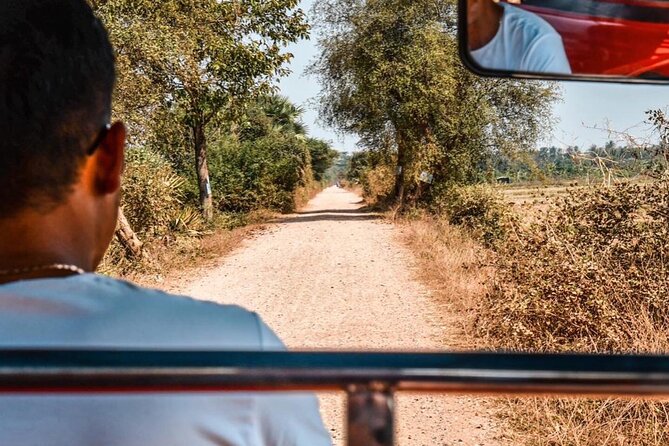
The $16 price covers hotel pickup and drop-off, tuk-tuk or motorbike transport, a local driver-guide, bottled water, snacks, sample foods, and a donation to a local family. Entrance to the listed temple sites is included.
That is strong value for a private-feeling local outing, especially if the group reaches the maximum of eight people but remains small enough for questions. You are paying for transport and interpretation as much as for entrance tickets.
You should add the $5 Bamboo Train ticket. Lunch is not included, and personal expenses are extra. The tour’s low headline price is therefore not the final possible cost, but even with the train ticket it remains reasonably priced for a morning of transport, food samples, temples, and local explanation.
The included bottled water deserves emphasis. One review specifically praised having free drinking water available during the entire tour. In Cambodia’s warm conditions, that is practical rather than decorative. You still need to start with breakfast, since the included food consists of snacks and samples.
Discounts are offered for seniors, youths, and children. Families should check the exact age brackets and final child prices when booking, since those details are not provided here.
Who will get the most from this tour
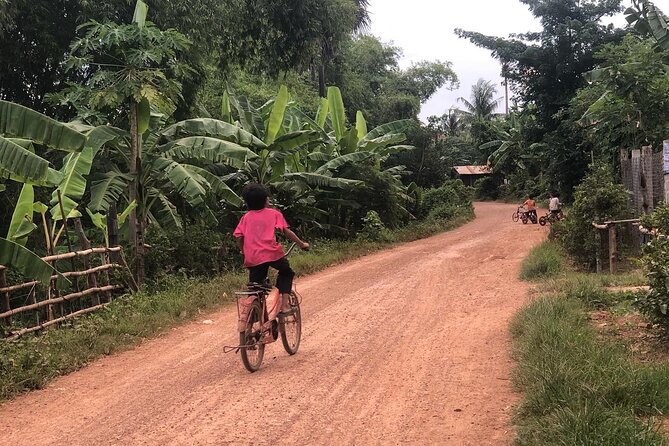
I would recommend this tour to first-time visitors who want a quick introduction to Battambang without arranging several separate rides. It brings together city architecture, a market, food production, recent history, ancient ruins, and the Bamboo Train in one morning or extended half-day.
Families may also find it convenient because of hotel pickup, child and youth discounts, and the variety of short activities. The food samples and train ride give younger children something active to look forward to, while the temple and history stops add substance for adults.
It suits you particularly well if you like local food and want to see how it is prepared. The experience is less suitable if you want a quiet temple-only tour, a formal cooking class, or a full lunch.
You should also think about pace. The tour includes several stops and road transfers. That variety is a strength, but it can feel busy if you prefer to spend a long time at one site. The schedule discrepancy makes it worth asking for a precise morning plan.
Free cancellation is available until 24 hours before the start time for a full refund. Changes made within 24 hours are not accepted, and poor weather can lead to a different date or a full refund. Since the tour requires good weather, keep that policy in mind during rainy periods.
Should you book the Battambang tuk-tuk tour?
Book it if you want a broad, food-focused introduction to Battambang and value a local guide who explains culture and history in detail. The price is fair, the group is capped at eight, water and snacks are included, and hotel transport removes much of the morning’s planning.
The best parts are the everyday ones: watching rice products being made, tasting bamboo sticky rice and spring rolls, meeting local families, and seeing the countryside from an open tuk-tuk. Wat Samrong Knong adds serious historical context, while Prasat Ek Phnom and the Bamboo Train round out the day.
Before booking, confirm the true duration, the order of the Bamboo Train, and the final drop-off plan. Add $5 per person for the train and arrange your own lunch if the tour runs closer to six hours. With those details clear, this is a strong choice for families, first-time visitors, and anyone who wants Battambang beyond its main streets.
FAQ
What time does the tour start?
Hotel pickup begins at 8:30 a.m.
How long does the tour last?
The experience is advertised as approximately four to five hours, but the listed stop times total about six hours. Confirm the exact duration with the provider before booking.
Is hotel pickup and drop-off included?
Yes. Hotel pickup and drop-off are included.
What transport is used?
You explore by tuk-tuk or motorbike with a driver and local guide.
Is the Bamboo Train ticket included?
No. The Bamboo Train ticket costs $5 per person and is paid separately.
Is lunch included?
No. Lunch is not included, although snacks and food samples are provided.
How many people can join the tour?
The maximum group size is eight travelers.
Newly added rides around Battambang
- Tuk Tuk Tour (Full-Day)★ 5.0 · 7 reviews
- Private Half-Day Tuk Tuk Tour in Battambang★ 5.0 · 2 reviews
- Private Full Day Tuk Tuk Tour in Battambang★ 5.0 · 12 reviews
- Morning Tuk Tuk Food Tour: Taste Iconic Dishes of Battambang★ 5.0 · 2 reviews
- Full/Half Day Tuk TuK: Handicrafts Bambootrain Killing&Bat Caves★ 5.0 · 14 reviews
- Full-Day Battambang with a local Tuk Tuk Tours★ 5.0 · 2 reviews
- Morning Tuk tuk: City, Handicrafts, Killing field, Temples★ 4.9 · 13 reviews
- Battambang: Morning Tuk Tuk Food Tour of Our Iconic Dishes★ 5.0 · 2 reviews
Battambang Tuk Tuk Tours: the nearest alternatives
Battambang: Tuk-Tuk, Bamboo Train, Killing/Bat Caves, Sunset
Read our review →
Battambang Tuk Tuk tour: Bambootrain, Killing & Bat Caves,Sunset
Read our review →
Afternoon tour by tuk tuk to bamboo train,bat cave,killing cave,countryside.
Read our review →
Explore Battambang full day tour by Tuk Tuk (start from 9am-6:30pm)
Read our review →
Battambang: Bamboo Train, Bat Cave, Killing Cave by Tuk Tuk
Read our review →
A Day TukTuk Handicrafts Bambootrain Killing&BatCaves,Sunset
Read our review →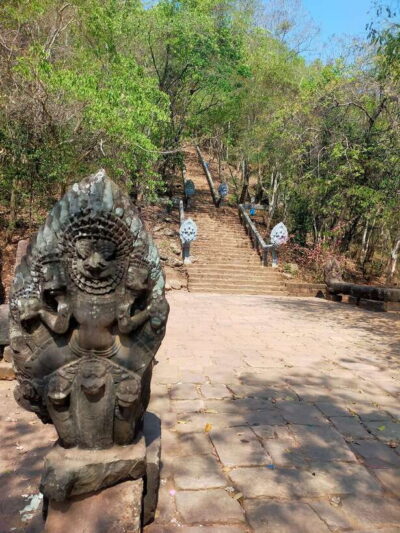
A Day TukTuk Bambootrain, Banan, Killing & Bat Caves, Sunset
Read our review →
Full day tour by bicycle & tuk tuk,bamboo train,bat cave,villages
Read our review →Tuk tuk lists that include it