
Review · BEIJING
Summer Palace, Hutong Rickshaw, Lama and Confucius Temple Tour
Beijing’s imperial past and everyday old neighborhoods come together nicely on this full-day tour. You’ll see the grand Summer Palace, ride through Hutong lanes by rickshaw, and visit two quieter temple and education sites that many short city tours skip. The private format also means your day can be explained at your pace rather than squeezed into a large group.
I like the easy door-to-door setup and the range of places covered. I also like the human scale of the Hutong stop, where a square courtyard and Yin Ding Bridge give you a look at old Beijing beyond palace walls. The main drawback is the packed schedule: eight hours is enough for a strong overview, but not enough for slow, independent wandering at every stop.
Key points to know
- Four major stops in one day: Summer Palace, Hutongs, Lama Temple, and the Confucius Temple with Guozijian Museum.
- A private guide and vehicle: Hotel pickup and drop-off remove much of Beijing’s transport planning.
- A rare mix of grand and ordinary Beijing: Imperial gardens sit alongside courtyard homes, local lanes, temples, and an old education center.
- Rickshaw access to the Hutongs: You see the neighborhood from a slower, lower vantage point than from a car.
- Guides praised by name: Susan, Nancy, Cathy, and Diego are mentioned in guest feedback, with English and Spanish support specifically noted.
- Lunch and entrance fees are included: The package specifies Peking roast duck, though one account describes a hotpot meal, so confirm the restaurant plan before you go.
Four sides of Beijing in one private day
At $180.90 per person, this is not the cheapest way to see Beijing. It is a private, eight-hour outing that includes a guide, air-conditioned car, hotel transfers, all listed admission fees, bottled water, and lunch. The value improves if you are traveling with family or friends and can share the private vehicle, or if you would rather spend one day with a clear plan than work out several complicated transfers yourself.
The route gives you four very different views of the city. The Summer Palace shows imperial leisure on a grand scale. The Hutongs bring you into old residential Beijing. The Lama Temple offers active religious architecture and striking sculpture. The Confucius Temple and Guozijian Museum explain how education and government service worked in imperial China.
That variety is the real reason to book. You are not spending the whole day looking at similar monuments. You move from gardens to lanes, then from Buddhist worship to Confucian learning.
The schedule begins at 9:00 a.m. and lasts about eight hours. The exact order can vary in practice, since one account describes starting at the Lama Temple, but the listed route places the Summer Palace first. Ask your guide at pickup how the day will be arranged. That small check can help you understand the traffic plan and lunch timing.
More Rickshaw Tours in the world:
- Tokyo Asakusa Rickshaw Tour
★ 5.0 · 1,375 reviews - Bruges: Guided Rickshaw Tour
★ 4.9 · 1,199 reviews - Old Delhi Food, Heritage&Cultural Walk with Rickshaw ride to Masterji Kee Haveli
★ 5.0 · 742 reviews
Summer Palace: imperial leisure beside Kunming Lake
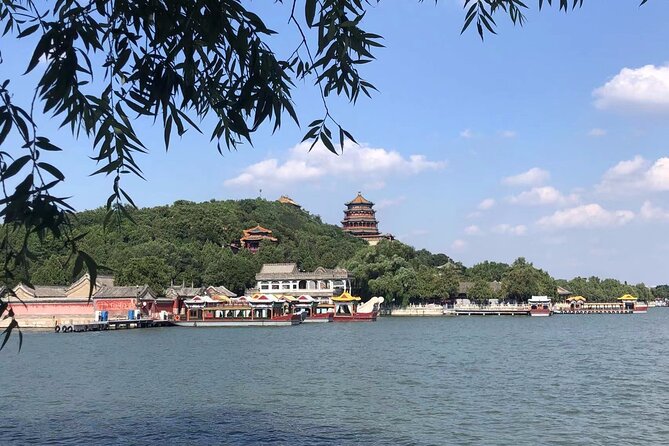
The Summer Palace, or Yiheyuan, gets about two hours. That is enough to see its main story and several signature sights, though you should not expect to cover every path in the vast grounds.
The site began in 1750, was destroyed in 1860, and was rebuilt in 1888. Its connection with Empress Dowager Cixi gives the visit a strong personal angle. Rather than treating the palace as a collection of old buildings, your guide can explain why Cixi favored the grounds, how her lavish lifestyle shaped the site, and how imperial birthdays and performances were staged.
Look for the opera house and the rooms linked with birthday celebrations. The Long Corridor is another major highlight. Its painted beams and panels turn a practical covered walkway into a long art gallery, while Kunming Lake gives the complex its broad open setting.
I like this first stop because it offers immediate visual impact. You get grand imperial architecture, painted decoration, water, and garden views before moving into Beijing’s tighter residential lanes. The drawback is that the two-hour visit may feel brief if you enjoy gardens and want to stop often for photographs.
Wear shoes you can walk in comfortably. Even with a guide and vehicle, the palace visit is on foot, and the grounds are too large to understand from a single viewpoint. Your guide’s explanation matters here because the scale alone does not tell you why Cixi used the site or how the buildings functioned.
A rickshaw through Beijing’s Hutongs
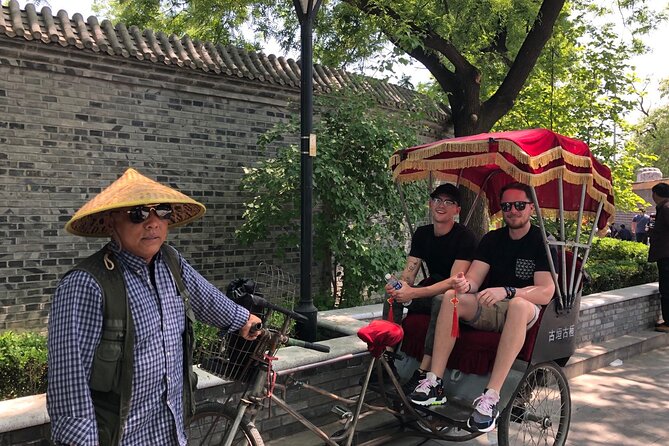
The roughly 90-minute Hutong segment changes the mood completely. You ride by rickshaw through old Beijing lanes, visit a representative square courtyard, and stop around Yin Ding Bridge near Hou Hai Lake for photographs.
The word Hutong is often used loosely for old neighborhoods, but the important thing here is the pattern of narrow lanes and courtyard homes. The square courtyard reflects a traditional way of organizing family life and social space. Your guide can explain the culture behind the layout, which makes the stop more useful than simply passing old walls in a vehicle.
The rickshaw is a practical choice for this part of the day. It lets you look closely at the lanes without worrying about navigation, and it gives you a slower view of daily surroundings. The experience is not presented as a staged palace show. Its appeal is the contrast between official Beijing and the residential city that grew around it.
Yin Ding Bridge provides a natural photo stop and a change of scenery around Hou Hai Lake. You may find this part more atmospheric than the grand monuments, especially if you want a sense of how Beijing’s older neighborhoods fit together.
Keep your expectations sensible. The tour includes a rickshaw ride and a courtyard visit, not a long, unstructured walk through every Hutong district. The lanes are introduced as part of a planned route, so this is best for a first look rather than a specialist architecture tour.
Lama Temple and the three unusual treasures
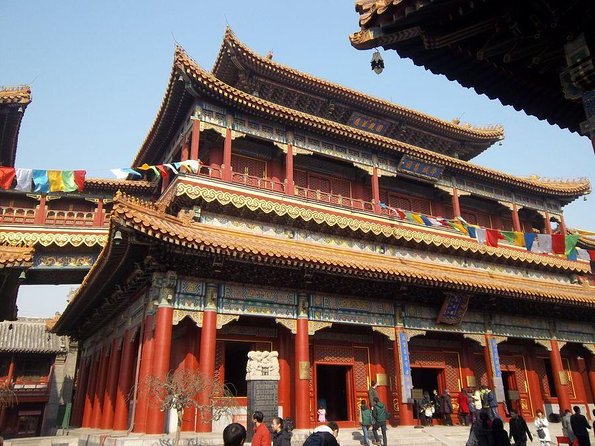
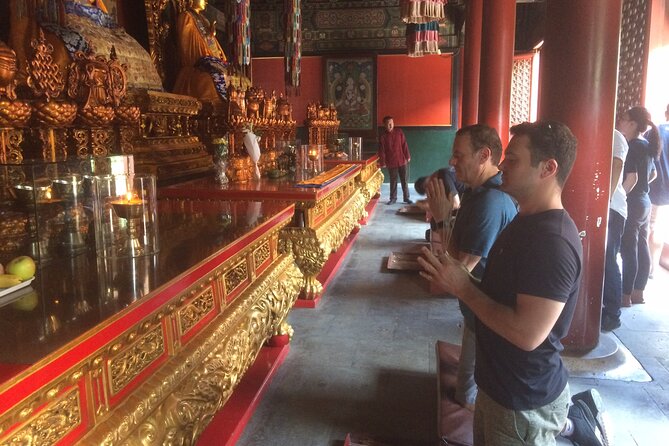
The Lama Temple, also known as Yonghegong, receives about 90 minutes. It was built in 1694 by the Kangxi Emperor for his fourth son, Yin Zhen. Since the future Qianlong Emperor was born there, the temple became associated with two emperors and is described as a blessed place for both.
That imperial connection helps explain why the site feels different from a palace. It is a working Tibetan-style Buddhist temple with imperial associations, religious art, and a strong sense of ceremony. Your guide can help you read the buildings and explain the details instead of leaving you to guess what each hall represents.
Three features receive special attention:
- The Five Hundred Arhats mountains
- A 26-meter sandalwood Buddha
- Finely carved nanmu Buddha niches
The tall sandalwood Buddha is the showpiece. It was listed in the Guinness World Records in 1900, giving you a memorable fact to attach to an otherwise complex religious site. The Arhat display and carved niches offer a different kind of interest, with more detail to notice at close range.
I would pay close attention to the guide here. The temple has enough halls, statues, and decorative features to blur together if you move through it alone. The guides named in the supplied feedback include Susan, Nancy, and Cathy, with Susan singled out for clear English and historical explanation. Diego is specifically mentioned for Spanish or English service. Names are not a guarantee of assignment, but they show the range of guide support associated with this experience.
Ninety minutes is a useful middle ground. You have time for the main features without spending half the day in one temple. If you prefer quiet contemplation or detailed photography, you may want more time than the schedule allows.
More Temple Tuk Tuk Tours in the world:
- Bangkok by Night: Temples, Markets and Food Tuk-Tuk Tour
★ 5.0 · 3,752 reviews - Bangkok: Markets, Temples and Food Night Tour by Tuk Tuk
★ 4.9 · 2,371 reviews - Siem Reap: Angkor Wat Private Tuk-Tuk Tour
★ 4.9 · 2,222 reviews - Bangkok: Tuk Tuk Adventure Chinatown Michelin Food & Temples
★ 4.3 · 725 reviews
Confucius Temple and Guozijian: Beijing’s old school district
After the Lama Temple, the route crosses the street to the Confucius Temple. The building dates to 1302, during the Yuan dynasty, and was used to honor Confucius. Its close location to the Lama Temple makes this an efficient pairing, since you move from Buddhist worship to the traditions of Confucian education without another long drive.
This stop is especially useful if you want more than royal stories. Confucius shaped ideas about learning, duty, respect, and public service that influenced Chinese society for centuries. The setting gives your guide a chance to explain why honoring a teacher mattered so much in imperial China.
The adjoining Guozijian Museum was the highest institution for education and educational administration during the Yuan, Ming, and Qing dynasties. The site is described as the only preserved and complete example of its kind, which makes it a valuable counterpoint to the Summer Palace. Here the focus is not imperial comfort, but the system that trained and managed the educated class.
The visit takes about 90 minutes. I like that this stop is included because it adds meaning to the day. You see not only where emperors lived and worshipped, but also how education was organized and respected.
This part may appeal most to visitors who enjoy history, ideas, and architecture rather than grand spectacle. It is also described as less crowded than some major Beijing sights, though the tour data does not promise a completely quiet visit. Allow the guide to set the pace, since the value lies in the explanation of the school system and Confucian ideals.
What the guide and transport add
The private setup solves one of Beijing’s biggest sightseeing problems: getting between distant areas without losing half the day. Hotel pickup, drop-off, and transfers are included, along with an air-conditioned car. You do not need to arrange separate taxis or work out several public transport connections between the Summer Palace and the central temple district.
A professional guide accompanies your group throughout the experience. English, Spanish, French, and German-speaking guides are listed, so select the language you need when booking. The supplied feedback names Susan, Nancy, Cathy, and Diego, and describes activities connected with Cathy such as calligraphy, tai chi, and a drum performance. Those extras are not listed as guaranteed parts of every departure, so treat them as possible additions rather than promised stops.
The private format matters most at the temples and educational sites. You can ask why a particular hall matters, pause for a closer look, or request a little more explanation. It does not mean you can ignore the timetable, but it should feel more personal than a large coach excursion.
At the same time, the guide’s quality is central to the experience. The monuments are impressive, but the stories about Cixi, the two emperors connected with the Lama Temple, and Confucian education are what tie the day together. If you are comparing tours, language support and guide assignment may matter as much as the list of sights.
Lunch, price, and the practical tradeoff
The package includes a famous Peking duck lunch, a smart choice for a first Beijing visit. Roast duck is one of the city’s best-known dishes, and including it means you do not have to spend valuable sightseeing time finding a restaurant.
There is one point worth checking. One account describes a hotpot lunch rather than duck, so the actual restaurant or meal may vary by departure. Confirm the lunch plan when you book if Peking duck is one of the main reasons you are choosing this tour.
The $180.90 price includes a lot: private transport, hotel transfers, a multilingual guide, entrance tickets, bottled water, and lunch. You are paying for convenience and interpretation, not just admission to four places. For a solo visitor, the price is a serious consideration. For two or more people sharing the private arrangement, it can make better financial sense, especially if you value a full day without transport guesswork.
The day also has a clear tradeoff. You cover a great deal, but you will not have unlimited time at each site. This tour suits a first visit, a short Beijing stay, or anyone who wants a guided overview. It is less suited to someone who prefers to spend an entire morning at one garden or temple.
Who should book this Beijing day tour?
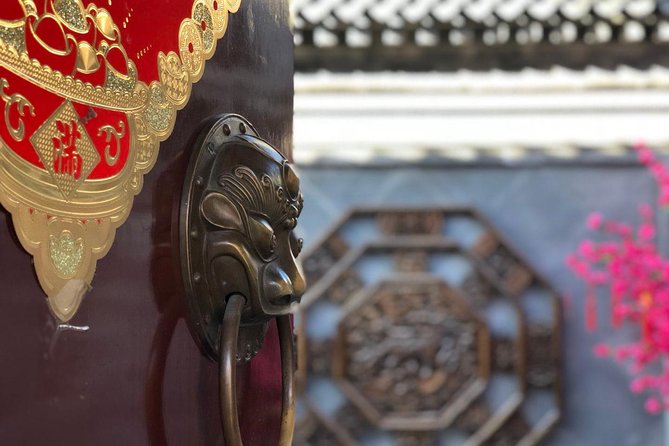
I would choose this outing if you want a broad introduction to Beijing with minimal planning. It works particularly well for first-time visitors, families, couples, and small groups who prefer a private vehicle and a guide who can explain the cultural links between the stops.
It also suits you if you want more than the usual imperial sights. The Hutong ride, Confucius Temple, and Guozijian Museum give the day a stronger local and intellectual side than a palace-only route.
You may want another plan if you dislike structured sightseeing, need long photography stops, or already know Beijing well. The schedule is full, and the fixed sequence leaves limited room for unscheduled wandering.
Free cancellation is available up to 24 hours before the start time for a full refund. Changes or cancellations made less than 24 hours ahead are not accepted for a refund. Gratuities are not included, and tipping is recommended.
Should you book it?
Book this tour if you want Beijing’s major imperial garden, old residential lanes, Buddhist temple art, and Confucian education in one organized day. The strongest reasons are the private transport, named multilingual guide support, rickshaw ride, and the unusually balanced selection of stops.
Before paying, confirm two details: the final order of the sites and whether lunch will be Peking duck or another meal. If you are comfortable with a brisk schedule and value convenience, $180.90 can be fair for the amount included. If your priority is slow exploration, choose fewer sights and more free time instead.
FAQ
What is included in the tour price?
The price includes a professional English, Spanish, French, or German-speaking guide, an air-conditioned car, all listed entrance fees, lunch, bottled water, hotel pickup, and hotel drop-off.
How long does the experience last?
The tour lasts approximately eight hours and starts at 9:00 a.m.
Is this a private tour?
Yes. Only your group participates in the private tour or activity.
Which places does the tour visit?
The planned stops are the Summer Palace, Beijing’s Hutongs, Lama Temple, Confucius Temple, and the Guozijian Museum.
Is lunch included?
Yes. The tour information specifies a Peking duck lunch. One supplied account describes hotpot instead, so confirm the restaurant and meal when booking.
Can I cancel for a full refund?
You can cancel at least 24 hours before the experience starts for a full refund. Cancellations or changes made less than 24 hours before the start time are not accepted for a refund.
Newly added rides around the world
- Kochi Exclusive Local Sightseeing Tuk-Tuk Tour★ 5.0 · 18 reviews
- 4 Hour Private Tuk Tuk Tour in Kochi From Cruise terminal★ 5.0 · 23 reviews
- Cochin Private guided Tuk Tuk tours with pick up from cruise ships★ 4.5 · 10 reviews
- Kochi private Tuk-Tuk (Auto Rickhaw) Tour★ 4.0 · 7 reviews
- Fort Kochi Tuk Tuk Tour★ 5.0 · 28 reviews
- Fort Kochi Sightseeing Tuk Tuk Tour★ 5.0 · 80 reviews
- Fort Kochi Tuk-Tuk Sightseeing Tour with Local Guide★ 5.0 · 78 reviews
- Fort Kochi Tuk-Tuk Sightseeing Tour★ 5.0 · 28 reviews
Beijing Tuk Tuk Tours: the nearest alternatives
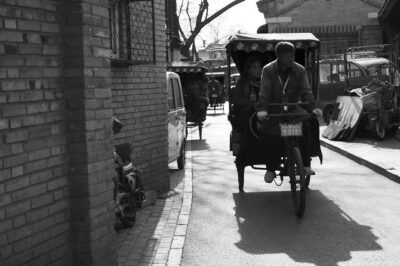
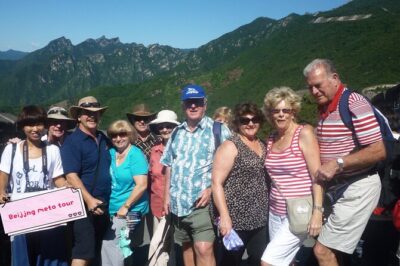
Beijing Half Day : Summer Palace Tour with Hutong Rickshaw Rides
Read our review →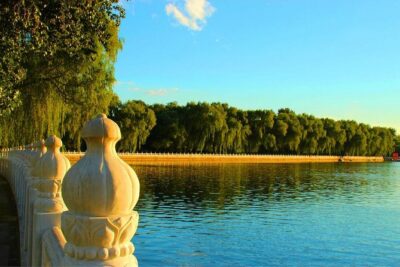
Houhai Hutong Tour: Rickshaw + Prince Gong & Soong Residences
Read our review →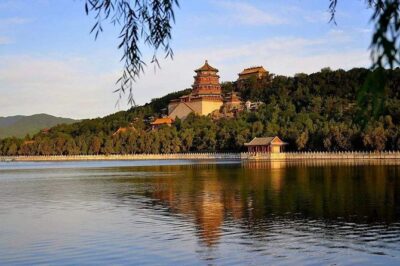
Beijing Private Tour to Summer Palace plus Drum Tower Performance and Rickshaw
Read our review →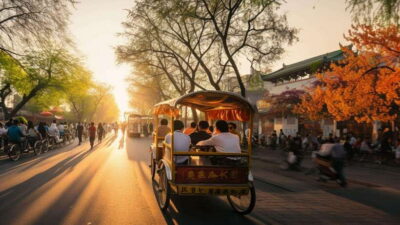
Beijing: Hutong Private Tour – Rickshaw Ride & English Guide
Read our review →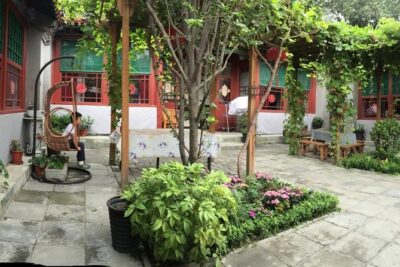
4-Hour Private Tour to Beijing Drum Tower with Drum Performance and Rickshaw
Read our review →Tuk tuk lists that include it