
Review · BATTAMBANG
Full/Half Day Tuk TuK: Handicrafts Bambootrain Killing&Bat Caves
Battambang’s best sights are spread across the countryside, and this full-day tuk-tuk trip ties them together with plenty of local life along the way. You’ll pass rice fields and fruit plantations, learn about farming and Cambodian customs, sample bamboo sticky rice and rice wine, then finish with the striking sight of bats streaming from a cave at dusk. I especially like the hands-on food stops and the chance to talk with farmers, as well as the thoughtful historical guidance from Sum Ol, one of the named guides. The main drawback is the long day: about 12 hours, with a few rough or basic stops and lunch not included.
I like that the tour does more than shuttle you from monument to monument. It explains how rice wine is made, how vegetables are grown, and how bamboo sticky rice is cooked. You also get a direct look at Cambodia’s painful Khmer Rouge past at the Killing Cave. Expect an early start, warm weather, roadside food, and an optional rat barbecue tasting that may not suit everyone.
Key points to know before booking

- A full countryside day: Leave Battambang around 7:30am and return after the bat flight, usually about 12 hours later.
- Local food in small workshops: Taste bamboo sticky rice, rice wine, snacks, and optional rat barbecue.
- The bamboo train costs extra: The train ride is not included, and the listed price is $5 per person.
- Serious history at Phnom Sampeau: The Killing Cave visit covers Khmer Rouge violence from 1975 to 1979.
- A memorable final stop: Millions of bats may fly from the cave for more than 50 minutes in the evening.
- Good guide-led context: Guides explain agriculture, religion, culture, folk tales, language, and local customs, with Sum Ol specifically praised for humor and care.
Why this $16 tour covers so much ground
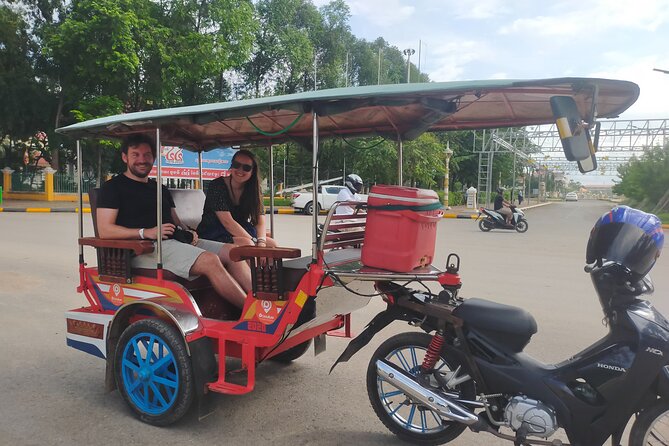
At $16, this is an unusually full day for the money. Hotel pickup and drop-off, tuk-tuk transport, a live guide, cold water, a cold towel, snacks, several entrance fees, donations, and the mountain transport at Phnom Sampeau are included.
You still need to budget for lunch, personal purchases, and the bamboo train. The train adds $5 per person, but it is one of the signature experiences in Battambang, so most people will want to include it. Even with that extra cost, the package remains good value if you want one day that combines food, countryside, temples, local work, history, and wildlife.
The price also reflects the simple style of the trip. This is not a polished coach excursion with a fixed indoor schedule. You ride in a tuk-tuk, stop at working homes and small production sites, and spend time outdoors. That makes the day feel more connected to everyday Cambodia, but it also means you should be comfortable with heat, dust, noise, and changing road conditions.
More tuk tuk tours around Battambang:
- Battambang: Tuk-Tuk, Bamboo Train, Killing/Bat Caves, Sunset
★ 4.9 · 1,436 reviews - Battambang Tuk Tuk tour: Bambootrain, Killing & Bat Caves,Sunset
★ 5.0 · 799 reviews - Afternoon tour by tuk tuk to bamboo train,bat cave,killing cave,countryside.
★ 5.0 · 344 reviews
Starting at 7:30am in Battambang
Pickup is offered from your accommodation or a restaurant, and you should be ready about 10 minutes before the 7:30am departure. That early start matters because the itinerary has a lot packed into it, and the bat cave is best seen late in the day.
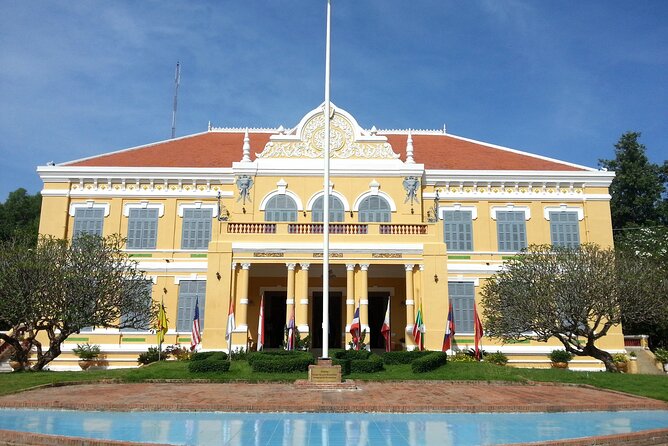
The first stretch gives you an introduction to Battambang and its French-era buildings. The guide also sets the tone by explaining local history, culture, religion, farming, folk stories, and useful Cambodian language. I would use this opening to ask questions, especially if you want help understanding what you see later in the rice fields or at the temples.
The group can reach up to 15 people. That is still small enough for a tuk-tuk-based outing to feel personal, though the exact vehicle arrangement can affect how much conversation you have with the guide. If you prefer a quiet sightseeing day with little explanation, this may feel talk-heavy. If you like context, the commentary is one of the tour’s main strengths.
Wat Samrong Knong and bamboo sticky rice
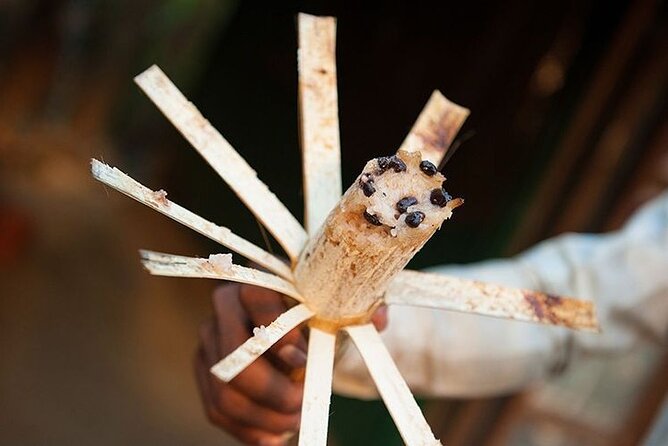
Wat Samrong Knong brings together a temple visit and a food demonstration. You can watch locals cook bamboo sticky rice, a sweet snack or dessert prepared inside bamboo. The dish remains popular with local people and is one of the more unusual tastings on the day.
This stop works because it gives you something concrete to remember. Instead of only looking at a temple and taking photographs, you see how a familiar Cambodian food is prepared and get a chance to taste it. The cooking process also connects with the agricultural discussion that runs through the tour: rice is not just a crop in Cambodia, but part of daily meals, trade, and tradition.
Plan on about 90 minutes here. The stop may feel slow if you only want major sights, but the pace is useful. You have time to watch the preparation, listen to the guide, and take photographs without rushing through the site.
Ek Phnom, rice wine, and a taste of local production
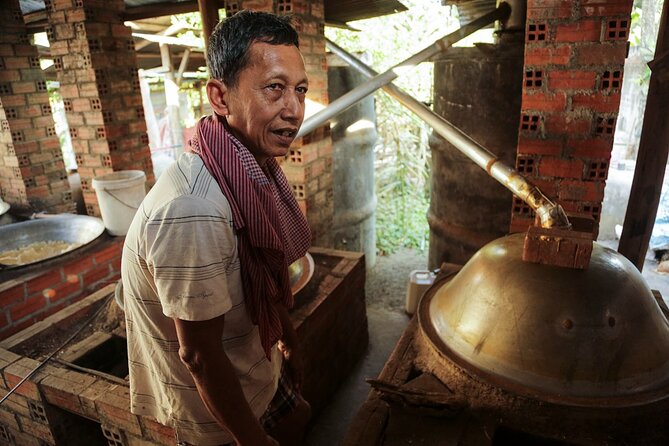
The Ek Phnom area includes a visit to a rice wine workshop that has been processing rice wine since the 1980s. You can learn how the drink is made and taste it. The guide also explains local uses, including medicinal purposes and soaking plants, fruit, and even poisonous animals.
This is a good example of what makes the tour different from a standard temple circuit. Rice appears again, this time transformed into a drink with practical and cultural uses. The stop helps you understand how small-scale production fits into local life.
The tasting is part of the experience, so keep your expectations sensible. This is a local workshop, not a formal winery visit with a restaurant or gift shop atmosphere. Anyone who does not want to drink can simply observe, and you should pace yourself because the day continues for many hours.
After the northern stops, the tuk-tuk returns to Battambang for about 30 minutes. That pause breaks up the route before the afternoon countryside section.
Same streets, seen from a different seat:
- Explore Battambang full day tour by Tuk Tuk (start from 9am-6:30pm)
★ 5.0 · 240 reviews - Battambang: Bamboo Train, Bat Cave, Killing Cave by Tuk Tuk
★ 5.0 · 182 reviews - A Day TukTuk Handicrafts Bambootrain Killing&BatCaves,Sunset
★ 4.9 · 78 reviews - A Day TukTuk Bambootrain, Banan, Killing & Bat Caves, Sunset
★ 4.9 · 48 reviews
Rice fields, fruit plantations, and the bamboo train
The road to the bamboo train passes through villages, fruit plantations, rice fields, and across a suspension bridge. The guide uses these stretches to explain how crops are grown and to point out how local people live and work. You may stop to speak with farmers or children and hear about raising vegetables.
Those conversations are among the most valuable parts of the day, but they also require a respectful attitude. This is not a staged village show. You are passing through real communities, so ask before taking close-up photographs and listen rather than treating the stop as a quick photo opportunity.
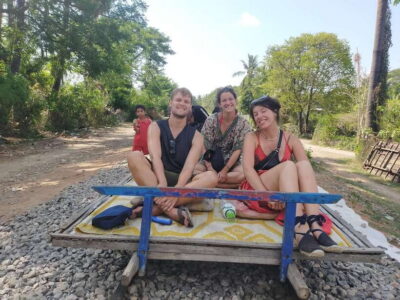
The bamboo train itself is a simple platform powered along the railway. The movement is part of the fun, and the description promises a playful butt massage as the train rolls over the track. You get about two hours in this section, including time around the train and the surrounding countryside.
The ride costs $5 per person and is not included in the tour price. That extra charge is easy to miss when comparing the headline price, so include it in your budget. If you dislike bumpy rides or want to keep the day shorter, you may prefer to watch the train activity without riding, though the train is one of the tour’s defining moments.
Phnom Sampeau and the difficult history of the Killing Cave
Before reaching Phnom Sampeau, you may stop to see and taste rat barbecue. The tasting is optional. It is a useful reminder that food customs vary widely, but you should feel no pressure to try it. You can simply observe and continue with the rest of the visit.
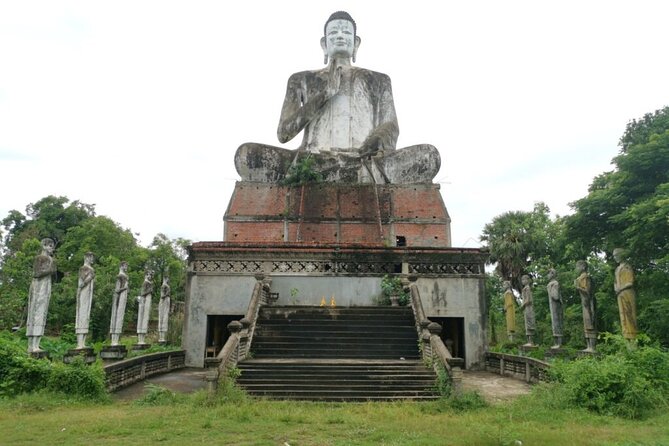
At Phnom Sampeau, a motorbike or pickup truck takes you up the mountain. Mountain transport for the return is included, which saves you from arranging that separately. The route leads to the Killing Cave, a solemn place connected with Khmer Rouge violence between 1975 and 1979. More than 10,000 people were killed there, according to the tour information.
This is not a light sightseeing stop. The cave asks for quiet attention, and the guide’s historical explanation matters. I appreciate that the day does not hide Cambodia’s recent past behind pleasant scenery and food tastings. You get a fuller understanding of the country by making room for both ordinary rural life and the memory of mass violence.
Allow about two hours for Phnom Sampeau. The visit may involve uneven ground, mountain transport, and time outdoors. The experience is best for people who can handle a serious subject without rushing to the next photograph.
The bat cave finale at sunset
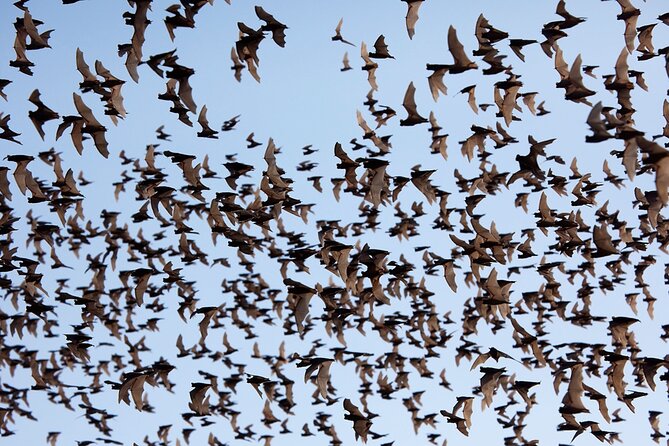
The final stop is Battambang’s Bat Caves, near Phnom Sampeau. After coming down from the mountain and finding a viewing point, you wait for the evening flight. Millions of wrinkle-lipped bats may stream out of the cave, with the display continuing for more than 50 minutes.
This is a strong ending because it is simple and natural. You are not entering a complicated attraction or following a scripted performance. You wait, watch the opening darken, and then see a long line of bats pour into the sky. The timing depends on the evening, so patience is part of the deal.
The tour ends with a return to your hotel or to Pomme Bar in town. That flexibility is useful if you still want dinner or a drink after the long day, though you will probably be ready for a shower and a quiet meal.
The guide makes the difference
The guide is central to this experience because many of the stops are modest on their own. A temple, rice field, or food workshop becomes more meaningful when someone explains how it fits Cambodian life.
Sum Ol is specifically praised for being funny, friendly, attentive, and helpful, with strong explanations of Cambodian history. That kind of guide suits this route. You are not only looking at buildings. You are asking why people grow certain crops, how rice wine is used, what a temple means, and what happened at Phnom Sampeau.
Guide quality can vary from one departure to another, but the tour promises a live guide and covers history, culture, religion, agriculture, folk tales, and language. If you want the best experience, ask questions early and tell the guide what interests you. Someone fascinated by food may want more detail at the rice wine stop, while someone focused on history may prefer extra context at the Killing Cave.
What to bring and how to pace the day
You should prepare for a long day outside. Wear practical clothing and shoes suitable for the temple, countryside, and mountain portions. The tour supplies cold water and a cold towel, which will be welcome in the heat, but you should still plan for a full day away from your hotel.
Lunch is not included, so plan to buy or arrange your midday meal. Personal expenses are also extra. Bring enough cash for lunch, drinks, souvenirs, and the $5 bamboo train fare if you plan to ride.
The day has several food tastings, including bamboo sticky rice, rice wine, snacks, and optional rat barbecue. If you have dietary concerns, be selective and ask the guide what is being served. The schedule is long enough that you should not treat every tasting as a full meal.
The group size can reach 15 people. That is manageable, but the tuk-tuk format can feel close and lively. I would choose this trip if you enjoy a social outing and do not mind sharing space. For a private, quiet, or highly flexible day, you may prefer a private arrangement instead.
Who should book this Battambang day trip?
I would recommend it to you if you want more than the city center and prefer local food, farming, and conversation over a short list of monuments. It suits curious first-time visitors who want to see how Battambang connects to rice production, village life, religious sites, and Cambodia’s recent past.
It is also a strong choice if you have only one full day in the area. The route gathers several separate sights into one organized outing, and hotel pickup removes the need to arrange transport between them.
I would think twice if you dislike long days, outdoor heat, bumpy transport, or emotionally difficult historical sites. The Killing Cave is not optional in the published route, and the bat cave wait comes late after many hours of touring. The bamboo train also costs extra, and lunch is on you.
Free cancellation is available if you cancel at least 24 hours before the start time. Changes or cancellations made later are not accepted for a refund.
Should you book it?
Book this tour if you want a broad, affordable introduction to Battambang with real local contact and plenty of variety. The best parts are the food workshops, farm and village views, the guide’s explanation of Cambodian life, the serious history at Phnom Sampeau, and the bat flight at the end.
Skip it if you want a short temple tour or a polished sightseeing vehicle. At roughly 12 hours, this is an ambitious day. For the $16 base price, though, it offers a lot: transport, guiding, food samples, several admissions, mountain transfers, and a memorable finish. Add lunch and the bamboo train fare, then decide if that full-day rhythm suits you.
FAQ
How long does the Battambang tuk-tuk tour last?
The full-day tour lasts approximately 12 hours. Departure is at about 7:30am, and the day ends after the evening bat flight, with return to your hotel or Pomme Bar in town.
Is hotel pickup included?
Yes. Pickup and drop-off from your accommodation are included. You should be ready about 10 minutes before the 7:30am departure.
Is the bamboo train included in the price?
No. The bamboo train costs $5 per person and is paid separately. The rest of the tuk-tuk transportation is included.
Is lunch included?
No. Lunch is not included, so you need to pay for it separately.
Are the Killing Cave and Bat Cave entrance fees included?
Yes. The entrance fees for Ek Phnom, the Killing Cave, and the Bat Cave are included. Mountain motorbike or shuttle transport for the return is also included.
Is the rat barbecue tasting required?
No. Rat tasting is optional. You can choose whether to try it.
What happens if I need to cancel?
You can receive a full refund if you cancel at least 24 hours before the experience starts. Cancellations or changes made less than 24 hours before the start time are not refunded or accepted.
Newly added rides around Battambang
- Tuk Tuk Tour (Full-Day)★ 5.0 · 7 reviews
- Private Half-Day Tuk Tuk Tour in Battambang★ 5.0 · 2 reviews
- Private Full Day Tuk Tuk Tour in Battambang★ 5.0 · 12 reviews
- Morning Tuk Tuk Food Tour: Taste Iconic Dishes of Battambang★ 5.0 · 2 reviews
- Full-Day Battambang with a local Tuk Tuk Tours★ 5.0 · 2 reviews
- half day morning tour by Tuk-Tuk★ 5.0 · 20 reviews
- Morning Tuk tuk: City, Handicrafts, Killing field, Temples★ 4.9 · 13 reviews
- Battambang: Morning Tuk Tuk Food Tour of Our Iconic Dishes★ 5.0 · 2 reviews
Battambang Tuk Tuk Tours: the nearest alternatives
Battambang: Tuk-Tuk, Bamboo Train, Killing/Bat Caves, Sunset
Read our review →
Battambang Tuk Tuk tour: Bambootrain, Killing & Bat Caves,Sunset
Read our review →
Afternoon tour by tuk tuk to bamboo train,bat cave,killing cave,countryside.
Read our review →
Explore Battambang full day tour by Tuk Tuk (start from 9am-6:30pm)
Read our review →
Battambang: Bamboo Train, Bat Cave, Killing Cave by Tuk Tuk
Read our review →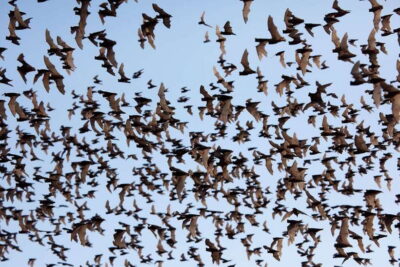
A Day TukTuk Handicrafts Bambootrain Killing&BatCaves,Sunset
Read our review →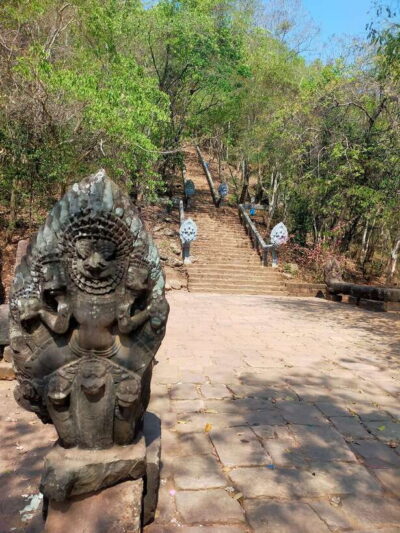
A Day TukTuk Bambootrain, Banan, Killing & Bat Caves, Sunset
Read our review →
Full day tour by bicycle & tuk tuk,bamboo train,bat cave,villages
Read our review →Tuk tuk lists that include it