
Review · BEIJING
Beijing Old Hutongs Tour by Rickshaw
The best part of this tour is the chance to see old Beijing at street level. You roll through narrow hutongs by pedicab, pass ordinary homes and daily routines, then climb a tower for a wide view over the old city. It is a pleasant change from Beijing’s grand imperial sights.
I like the small local details, especially the home visit and the tea tasting. I also like the easy hotel pickup, which matters in a city where crossing town can take real time. The main caution is that the rickshaw ride may be short, and some departures add silk or other shopping stops that can feel more commercial than cultural.
Key points to know before booking

- Rickshaw ride through hutongs: See Beijing’s narrow residential lanes from a traditional pedicab rather than from a tour bus.
- Drum and Bell Towers: Climb steep stairs for a bird’s-eye view, with the possibility of seeing the historic drum performance if timing works.
- Local home visit: Expect a short look at traditional housing and customs, but the level of family interaction can vary.
- Tea tasting: Sample several Chinese teas in a decorated tea setting, with tea and accessories available for purchase.
- Hotel transportation: Pickup and return are included for hotels inside Beijing’s 4th Ring Road.
- Commercial stops: A silk factory, pearl shop, or similar stop may be added, so allow room for an uneven schedule.
What this hutong tour really offers
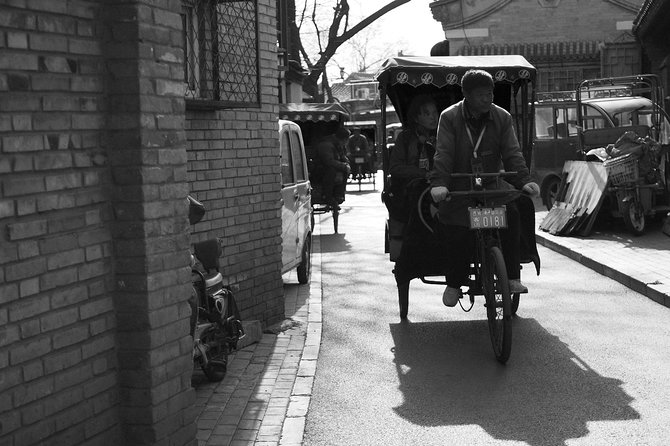
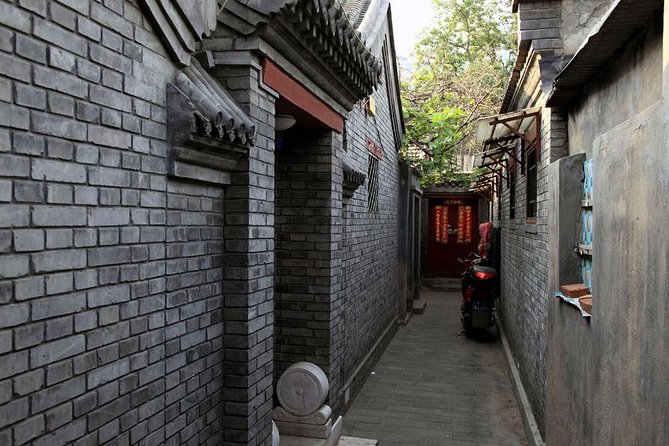
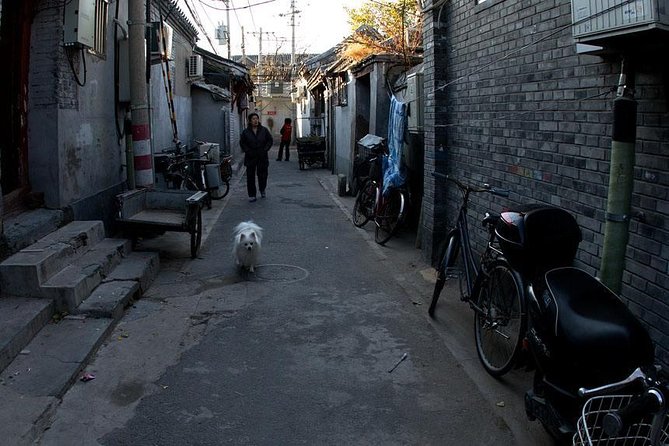
Beijing’s hutongs are narrow lanes formed between larger roads. They are less about famous monuments and more about seeing how older neighborhoods fit together. You may pass courtyards, bicycles, small shops, parked cars, and residents going about their routines.
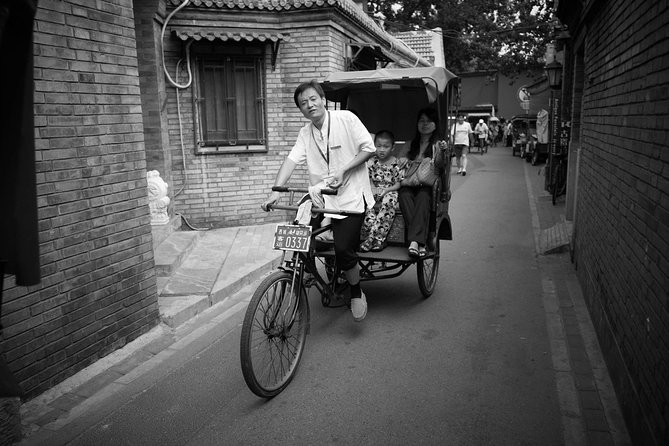
The rickshaw gives you a different view than walking. You sit above the lane, moving slowly enough to notice doorways and courtyard walls, but you do not have to navigate every turn on foot. The drivers also handle the tight spaces with skill. For many visitors, especially families with children, the ride itself is the memorable hook.
The tour costs $77 per person and lasts about three hours. That price is reasonable if your booking includes a private or very small group, a good English-speaking guide, transportation, admission tickets, and the tea tasting. It is less appealing if much of your time is spent at sales stops or if the hutong ride is rushed.
I would treat this as a gentle introduction to old Beijing rather than a major sightseeing day. It does not replace the Forbidden City, the Great Wall, or other headline attractions. Instead, it gives you a closer look at neighborhood life and adds a little novelty to a first visit.
More Rickshaw Tours in the world:
- Tokyo Asakusa Rickshaw Tour
★ 5.0 · 1,375 reviews - Bruges: Guided Rickshaw Tour
★ 4.9 · 1,199 reviews - Old Delhi Food, Heritage&Cultural Walk with Rickshaw ride to Masterji Kee Haveli
★ 5.0 · 742 reviews
Starting beside Beijing’s Bell and Drum Towers
Pickup takes place at your hotel in an air-conditioned vehicle if the address is inside the 4th Ring Road. If you stay outside that area, you are asked to meet at the Prime Hotel on Wangfujing Avenue at either 8:30 a.m. or 1 p.m. Check this point carefully before paying, since reaching the meeting hotel can add time and taxi cost.
The tour begins near the Bell and Drum Towers. These large historic structures once helped mark the hours of the day in imperial Beijing. The Drum Tower is the more rewarding stop for many people because you can climb up for a broad view over the hutong district.
The stairs are steep. One guide reportedly stayed below because of bad knees, leaving the group to explore on its own. That is worth noting if you need close assistance or expect a guided explanation at every point. The schedule may also affect what you see. If you arrive late, you can miss a drum performance.
The Bell and Drum Towers provide useful context before the rickshaw ride. From above, the lanes make more sense. You can see how tightly packed the old neighborhoods are and how different they feel from Beijing’s broad avenues and monumental squares.
Rolling through the hutongs by pedicab
The rickshaw portion is the heart of the experience, but do not assume it fills the entire three-hour schedule. One itinerary places about two hours at the hutong stop, while several experiences describe the actual pedicab ride as brief, followed by a walk and a home visit.
That difference matters. If you are booking mainly because you want a long rickshaw ride, ask for a clear description of the route before departure. Some people found the ride too short, while others felt it gave enough time to enjoy the neighborhood without turning into a long transfer.
The lanes themselves are the attraction. You are not racing between major sights. You are looking at old residential patterns, narrow corners, courtyard entrances, and the ordinary rhythm of the district. Your guide may explain how hutong communities formed around these lanes and how traditional homes were arranged.
The experience is strongest when your guide adds local context. Gale, also called Gayle in some accounts, was praised for detailed explanations, strong English, and a warm manner with children. William, Cynthia, Mr. Goo, and some guides named Michael also received positive comments for friendliness and information. Guide quality is not perfectly consistent, so the person assigned to your group will shape much of the day.
If you visit in cold weather, dress for the ride. One family found the morning very cold, even though they enjoyed the tour. The open sides of a pedicab give you a close view, but they offer little protection from Beijing’s winter air.
Inside a traditional home
The home visit is meant to show how people lived in the hutongs and to connect the lanes with real household customs. You may be greeted by a local resident and shown traditional objects or decorations. One stop included a demonstration involving miniature glass bottle painting, while another guide explained figurines inside the house.
This is a short cultural encounter, not a long family conversation. The amount of interaction can vary. In some cases, you may speak with a gracious host and learn about daily life. In others, the space may feel prepared for visitors, with a host appearing mainly to serve tea or display objects.
That distinction is important. Go in expecting a brief introduction to traditional housing, not a guaranteed personal exchange. The visit can still be worthwhile because it gives you a look at a courtyard interior that you would not normally enter on your own.
I especially like this part for first-time visitors who want more than palace architecture. Beijing’s grand sites tell you about rulers and state power. A hutong home gives you a smaller view, one based on rooms, courtyards, family objects, and neighborhood life.
More tuk tuk tours around the world:
- True 4Hour Private Tuk Tuk Tour: Discover Lisbon with a Local!
★ 5.0 · 8,008 reviews - Porto: Guided Tour by Tuk-Tuk & Optional Douro River Cruise
★ 4.5 · 5,980 reviews - Lisbon: Private Guided Tuk-Tuk Tour with Hotel Pickup
★ 4.9 · 4,552 reviews - Private Lisbon Sightseeing Tuk-Tuk Tour: Alfama, Belém & More
★ 5.0 · 4,277 reviews
Tea tasting and the sales pressure question
The tea stop usually involves a ceremony or tasting of several varieties. One description refers to about five types of tea, served in a decorated setting. Tea tasting is included, but food and other drinks are not.
This can be a pleasant pause after the rickshaw ride. You sit down, sample teas, and hear about Chinese tea traditions. It also gives you a chance to ask your guide questions in a quieter setting.
The catch is that the tea room also sells tea and accessories. Prices may feel high, and some visitors felt the presentation was designed mainly to encourage purchases. You are not required to buy anything. I would decide in advance that tasting and shopping are separate activities, then politely decline if you do not want tea.
The same advice applies to any added silk or pearl stop. Several tours ended at a silk factory, where visitors could see silkworm cocoons or production displays. Some families enjoyed seeing the materials, especially children. Others felt the stop was an unnecessary sales pitch. It is fine to enjoy the demonstration without buying household goods, clothing, pillows, or other products.
How the schedule can change
The advertised duration is about three hours, but the day is not always identical. The route can include the towers, hutongs, the home, tea, and a silk stop. At other times, a guide may adjust the order or add a shopping visit based on interest.
One account describes a tour lasting less than an hour and a half, while another says the guide changed the pickup time from noon to 1 p.m. These reports are not enough to predict every departure, but they do show why you should confirm the pickup time with the operator and keep the rest of your day flexible.
A parade or city restriction can also affect the rickshaw portion. A cancellation once occurred because rickshaw companies were reportedly unable to operate for two weeks during a parade period. If the ride is the main reason you are booking, confirm that the route is running close to your travel date.
There is also an itinerary mismatch involving Prince Gong’s Mansion. Some booking information has included it, but it was not visited on certain departures, with the guide explaining that it had been closed or removed from the route. Do not book this experience expecting that mansion unless the operator confirms it directly.
Transportation, group size, and guide quality
Hotel pickup and drop-off are useful advantages. Beijing is spread out, and a driver saves you from figuring out a taxi or subway connection before an early departure. The included vehicle is described as comfortable and air-conditioned.
The stated maximum group size is unusually high at 999, but actual departures can be much smaller. Some people ended up with a private tour for two, while one person was the only participant. A private departure gives you more time for questions and makes it easier to adjust the pace, though you should not assume that every booking will be private.
Guide quality makes a major difference. Gale was praised for punctual pickup, detailed history, and clear English. Cynthia was described as enthusiastic and good at mixing explanation with conversation. William was noted for professionalism, and Mr. Goo made a strong impression as a first-day guide.
There were also less successful guiding experiences. Some guides provided little explanation and left people alone at the sights. One guide did not arrive at all, and another pickup involved a long taxi ride followed by confusion. Keep the local operator’s contact details with you, and contact them quickly if the vehicle or guide is late.
The rickshaw tip and unexpected charges
The tour includes the rickshaw ride, admission tickets, tea tasting, guide, and transportation within the stated pickup zone. It does not include food or beverages.
One account describes a driver asking for a 20-yuan tip per person after the ride. Tipping practices can vary, but an unexpected request can feel uncomfortable when you believed the transport was already covered. Carry some small Chinese currency if you want to tip, but do not feel that a tip changes the advertised inclusions.
A more serious concern appeared when a guide allegedly claimed that only half the tour had been paid for and demanded more money. That is not normal booking practice. Keep your confirmation and payment record accessible, and contact the booking company rather than handing over extra money because of pressure.
The $77 price is good value when the tour runs as described and your guide adds real context. It is poor value if the outing is shortened, the central stops are skipped, or much of the time goes to shopping. The free cancellation policy allows you to cancel up to 24 hours before the start time for a full refund, which gives you some protection if your plans change.
Who will enjoy this experience most
I would recommend this tour to first-time visitors who want an easy introduction to hutongs without arranging transport on their own. It also suits families. Children often enjoy the rickshaw, towers, silkworm displays, and the novelty of entering an old home.
It is a good fit if you like a mix of sightseeing and conversation. The best guides can answer questions about customs, housing, tea, and modern Beijing while you move between stops.
I would be more cautious if you have only a few days and need every hour for major sights. The hutongs are worthwhile, but the route can feel limited beside the Forbidden City or Great Wall. I would also avoid booking it solely for Prince Gong’s Mansion or a long rickshaw journey, since neither is guaranteed in the actual schedule.
Should you book the Beijing hutong rickshaw tour?
Book it if you want hotel transportation, a short rickshaw ride, a tower view, a glimpse inside a hutong home, and a tea tasting in one manageable morning or afternoon. Ask the operator to confirm the current route, the pickup time, the length of the pedicab ride, and whether a silk or pearl stop is planned.
Skip it if you dislike shopping stops, need a tightly timed itinerary, or prefer to explore independently. You can reach the Drum Tower and walk hutongs on your own for less money, but you will give up the included vehicle and the chance to enter a local home.
For the best chance of a good day, confirm details before departure, bring warm clothing in winter, wear shoes suited to steep tower stairs, and treat all purchases as optional. With a strong guide such as Gale, William, or Cynthia, this can be a friendly and useful first look at Beijing beyond its famous monuments.
FAQ
How long is the Beijing Old Hutongs Tour by Rickshaw?
The advertised duration is approximately three hours. The exact timing can vary depending on the route, pickup, tower schedule, and any added silk or shopping stop.
Is hotel pickup included?
Yes. Pickup and drop-off are included for hotels located within Beijing’s 4th Ring Road.
Where do I meet the tour if my hotel is outside the 4th Ring Road?
You are asked to meet at the Prime Hotel, No. 2 Wangfujing Avenue, at either 8:30 a.m. or 1 p.m.
What does the tour include?
The tour includes rickshaw transportation through the hutongs, hotel pickup and drop-off within the service area, an English-speaking guide, tea tasting, and admission tickets.
Is food included?
No. Food and beverages other than the included tea tasting are not included.
Does the tour include a visit to Prince Gong’s Mansion?
The route has not always included Prince Gong’s Mansion. Confirm directly with the operator if this sight is important to you.
Can I cancel for a full refund?
Yes. You can cancel at least 24 hours before the experience starts for a full refund. Changes or cancellations made less than 24 hours before the start time are not accepted for a refund.
Newly added rides around the world
- Kochi Exclusive Local Sightseeing Tuk-Tuk Tour★ 5.0 · 18 reviews
- 4 Hour Private Tuk Tuk Tour in Kochi From Cruise terminal★ 5.0 · 23 reviews
- Cochin Private guided Tuk Tuk tours with pick up from cruise ships★ 4.5 · 10 reviews
- Kochi private Tuk-Tuk (Auto Rickhaw) Tour★ 4.0 · 7 reviews
- Fort Kochi Tuk Tuk Tour★ 5.0 · 28 reviews
- Fort Kochi Sightseeing Tuk Tuk Tour★ 5.0 · 80 reviews
- Fort Kochi Tuk Tuk Tour & Sightseeing with a Local Driver★ 5.0 · 4 reviews
- Fort Kochi Tuk-Tuk Sightseeing Tour with Local Guide★ 5.0 · 78 reviews
Beijing Tuk Tuk Tours: the nearest alternatives
Beijing Half Day : Summer Palace Tour with Hutong Rickshaw Rides
Read our review →
Houhai Hutong Tour: Rickshaw + Prince Gong & Soong Residences
Read our review →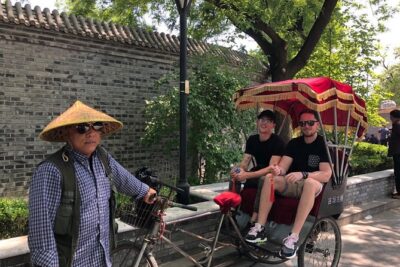
Summer Palace, Hutong Rickshaw, Lama and Confucius Temple Tour
Read our review →
Beijing Private Tour to Summer Palace plus Drum Tower Performance and Rickshaw
Read our review →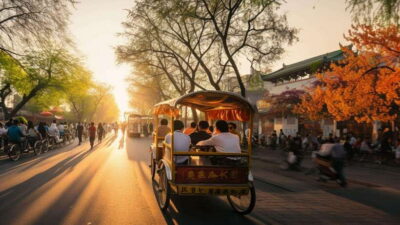
Beijing: Hutong Private Tour – Rickshaw Ride & English Guide
Read our review →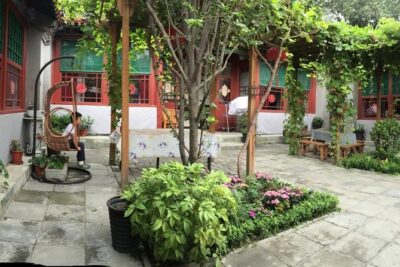
4-Hour Private Tour to Beijing Drum Tower with Drum Performance and Rickshaw
Read our review →Tuk tuk lists that include it