
Review · JAPAN
[60 minutes] Rickshaw tour around Asakusa [Complete Asakusa tour/power spots]
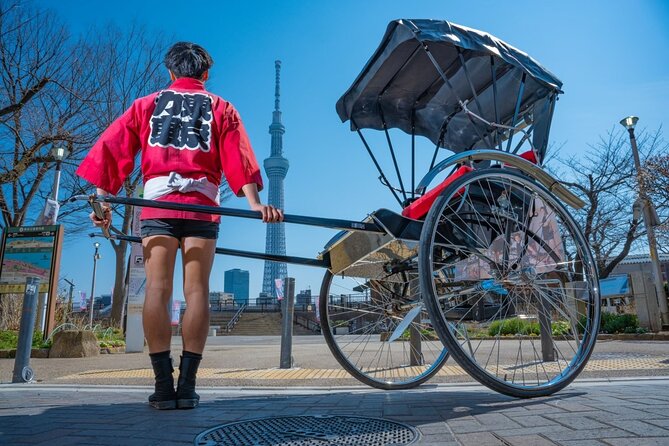
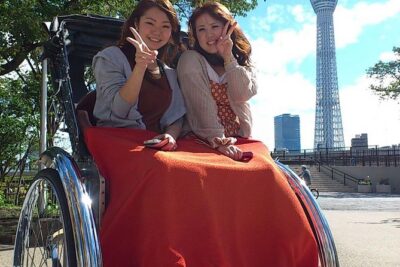
Asakusa is at its best from a rickshaw seat. You glide past the Kaminarimon gate, old temples, small shrines, local streets, and photo stops while your guide handles the traffic and tells you what you are seeing. I like the personal guiding and the chance to request places that matter to you. I also like the easy pace, especially for families, older visitors, and anyone who wants a gentle introduction to Tokyo.
The main drawback is time. The experience is described as about one hour in the booking details and about 70 minutes in the tour plan, so you should treat it as a short orientation rather than a full Asakusa visit. It also runs outdoors and depends on good weather.
Key points to know before booking
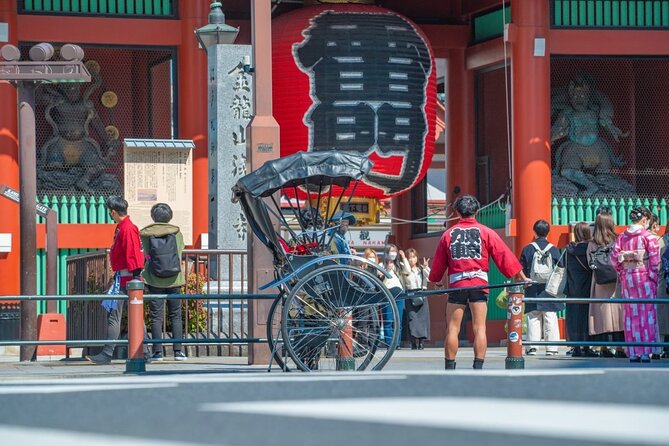
- Starting point: Meet near Asakusa Town Hotel, at 1-chōme-2-1 Asakusa, close to the Kaminarimon area.
- Length: Plan on roughly 60 to 70 minutes, ending back at the meeting point.
- Guides: Guides including Yuma, Yoshi, Yu, Koki, Tiger, Kanja, and Gian have been praised for friendly commentary, humor, photos, and language skills.
- What you see: Expect a broad tour around Asakusa, with Buddhist temples, Shinto shrines, traditional streets, and local daily life.
- Best feature: You may request places you want to visit, and guides can adjust the route when practical.
- Price and group size: At $66.05 per person, the ride costs more than walking, but includes transport, guiding, local context, and photography. Groups can reach 10 people.
Why a rickshaw works so well in Asakusa
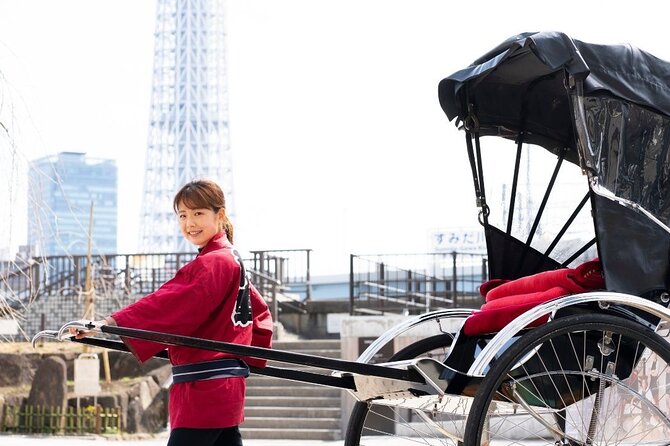
Asakusa can feel crowded and confusing on foot, especially around Sensoji and Kaminarimon. A rickshaw gives you a clear route through the district without asking you to study a map every few minutes.
You sit above the street while your puller moves between the main sights and less crowded lanes. That matters here. Asakusa is not only a temple district. It is also a working neighborhood with small streets, local shops, food stops, shrines, parks, and everyday Tokyo life. A good puller helps you notice the details you might pass without a second thought.
The ride also gives you a useful first look at Japanese religious customs. Several guides explain the difference between visiting a Buddhist temple and a Shinto shrine, including the basic rituals to follow. That short lesson can make the rest of your Japan trip easier, since you will see temples and shrines in nearly every major destination.
You should not expect a long, quiet carriage ride. The rickshaw moves through city streets, and the guide talks while pulling you along. That is part of the fun, but it means the experience is active and exposed to traffic, weather, and street noise.
More Rickshaw Tours in Japan:
- Tokyo Asakusa Rickshaw Tour
★ 5.0 · 1,375 reviews - Kyoto: Arashiyama Customized Rickshaw Tour & Bamboo Forest
★ 5.0 · 432 reviews - Kyoto Arashiyama Rickshaw Tour with Bamboo Forest
★ 5.0 · 354 reviews
Starting near Kaminarimon
The tour begins near the Kaminarimon area, one of Asakusa’s clearest landmarks. The supplied meeting address is Asakusa Town Hotel, 1-chōme-2-1 Asakusa, Taito City. The tour description also refers to starting in front of Kaminarimon, so check your confirmation carefully for the exact spot and arrival instructions.
This is a practical place to begin. Kaminarimon is easy to recognize, close to public transportation, and surrounded by food, shops, and useful facilities. The visitor center across the street has restrooms and water, which can help if you arrive early or are traveling with children.
Arrive with enough time to find the rickshaw team. The area can be busy, and a few extra minutes will keep the start relaxed. Since the activity ends where it begins, you can leave bags at your hotel, take the ride, and continue sightseeing in the same part of Tokyo.
The first ride through Asakusa
Once aboard, your guide takes you through Asakusa from Kaminarimon in different directions. The route is not presented as a rigid list of fixed stops. You can request places you want to see, and the puller may shape the ride around those interests.
That flexibility is useful for repeat visitors. If you have already seen the main approach to Sensoji, you can ask for quieter streets, additional temples, shrines, or photo locations. If this is your first visit, the guide can give you a broad introduction before you return on foot to explore the spots that catch your attention.
The strongest part of the ride is the commentary. Guides such as Yuma, Yoshi, Yu, and Koki are described as warm, funny, and eager to explain the area. Yu has been praised for speaking English, Chinese, Korean, and Japanese, while Gian has provided Spanish-language guiding. Language ability can make a real difference when the tour includes customs, history, and small details about places you pass quickly.
Your guide also takes photographs during the route. This is particularly helpful for families, couples, and groups using a phone or camera themselves. You can enjoy the ride instead of constantly asking one person to step out of every picture.
Temples, shrines, and the customs behind them
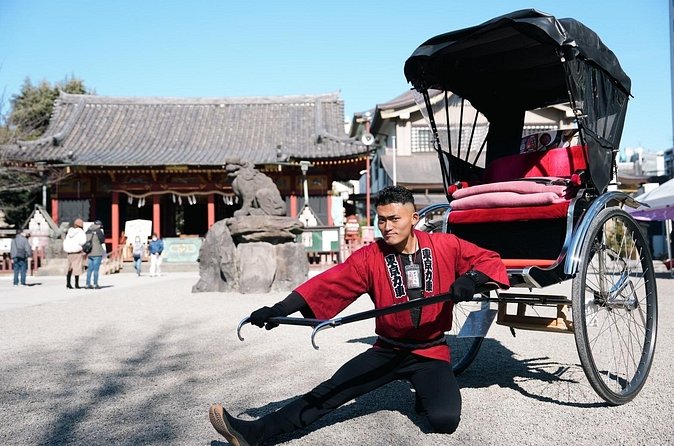
The tour includes visits or stops connected with both Buddhist and Shinto sites. The exact route can vary, but the experience is designed to show you more than an attractive building. Your guide explains how the two traditions differ and how to behave at each kind of place.
That context is valuable because the symbols can look unfamiliar at first. A temple and a shrine may both appear peaceful and ceremonial, but they have different traditions. A short explanation from Yu or another guide can help you understand what you are seeing without turning the ride into a lecture.
The pace is another plus. You are not being hurried from one landmark to the next on foot. The rickshaw creates a comfortable rhythm, with time for photographs and short visits. One family with ages ranging from seven to more than 70 found the format suitable across generations, which makes sense: young children get an unusual ride, older adults avoid a long walk, and adults receive local commentary.
Still, keep your expectations measured. One hour cannot cover every important corner of Asakusa. If you want a detailed visit inside Sensoji, time at several shrines, or a long stop at each site, you will need to return after the ride.
More One-Hour Experiences around Japan:
- Oporto Tuk-Tuk Tour: Fast, Fun & Flexible – 1H to Full Day!
★ 4.7 · 280 reviews - Berlin Express: Private 1-Hour E-Rickshaw Ride
★ 5.0 · 116 reviews - Tavira City Tuk Tuk Tour – 1h Tavira City Tour
★ 5.0 · 100 reviews - Málaga 1-hour by TukTuki: Essential and Private Tour
★ 4.4 · 62 reviews
Finding the quieter side of the district
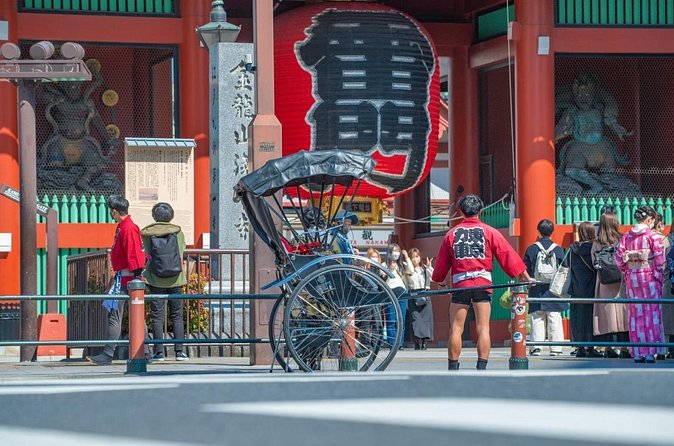
The most useful route choice may be the guide’s ability to move away from the thickest crowds. One group was taken along a less crowded direction while still visiting old temples and taking photographs. That is a good reason to choose a local rickshaw rather than simply walking along the standard tourist path.
Asakusa rewards small changes in direction. The best moments may not be the grandest sight. They may be a view down a traditional street, a glimpse of local daily activity, or a quiet temple approach after the noise of Kaminarimon.
I would ask about this at the start. Tell your guide if you have already seen Sensoji, if you want more religious sites, or if your main goal is photographs. The tour accepts requests, but the guide still has to work within the time and road conditions.
Guides who shape the experience
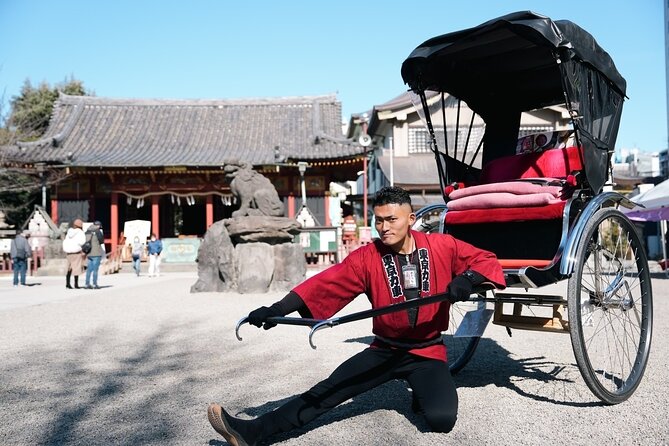
The rickshaw itself is memorable, but the person pulling it determines much of the value. The strongest feedback centers on the guides’ energy, humor, clear explanations, and willingness to help with pictures.
Yuma is praised for a pleasant smile and strong information about the area. Yoshi has been described as entertaining and engaging, even during heavy rain. Koki is noted for combining cultural explanations with several temple visits and family photos. Yu is especially useful for guests who want clear explanations of shrine and temple rituals.
Tiger and Kanja have guided families together, while Gian has offered Spanish-language service. Another guide, identified as Hickori, kept talking about the places along the route and helped with photographs. Names and assignments can change, so you cannot select a particular guide unless the operator confirms it. The useful point is that the experience depends on live interaction, not an audio recording.
The guides also help you see Asakusa as a neighborhood, not just a postcard. Their comments connect the buildings and rituals with ordinary streets and local habits. That gives the ride more value than a simple vehicle tour.
Is $66.05 a fair price?
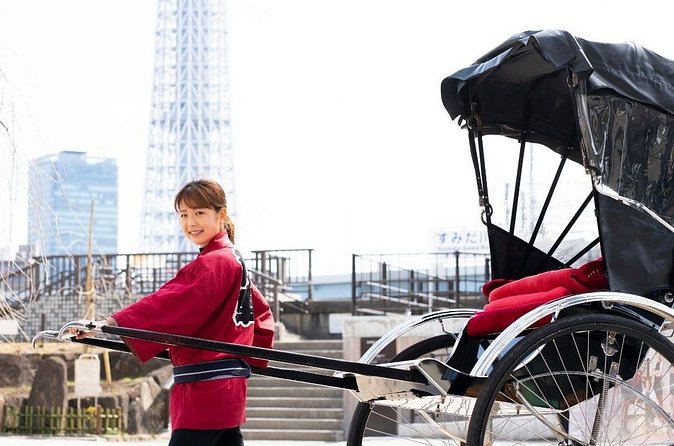
At $66.05 per person, this is not the cheapest way to move around Asakusa. You can walk through the district for free, and public transportation costs far less. The question is what you want from the hour.
The price covers a private-feeling seat in a traditional rickshaw, a trained local puller, live explanations, route planning, stops near cultural sites, and help with photographs. For a first visit, that combination can save you from wandering without context. It can also help you decide which parts of Asakusa deserve more time afterward.
The value is strongest for:
- Families who want an activity that works across several age groups
- Couples looking for a relaxed and unusual way to see the district
- First-time visitors who want orientation before exploring alone
- Older guests who prefer not to walk continuously
- Repeat visitors who want quieter streets or a route shaped around personal interests
The value is weaker if you already know Asakusa well, prefer independent walking, or want a long stop at each temple. In that case, the ride may feel short for the cost.
Groups can include up to 10 people, though larger families may use more than one rickshaw. A family of five used two rickshaws, which allowed the group to stay together while keeping the ride comfortable.
Who should book this ride
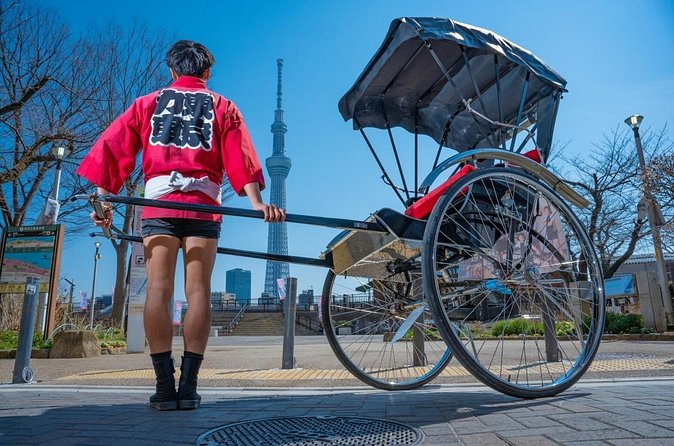
I would put this near the beginning of a Tokyo trip. One guide helped a first-time visitor understand the area and offered ideas for continuing the day. After the ride, you are well placed to visit the nearby river, continue toward Tokyo Skytree, or stop for food around Asakusa.
It also works well as a morning activity. The 60 to 70 minute format leaves time for Sensoji, shopping streets, lunch, or another nearby attraction. You can use the guide’s suggestions to plan the rest of your Asakusa visit rather than trying to understand the whole district at once.
Families should find the format especially useful. Children get the novelty of the ride, adults get cultural context, and older family members can see several sights without covering the area on foot. The guide can also take group photographs, which is a small but meaningful advantage on a family holiday.
Couples may like the relaxed pace and the chance to share a less ordinary Tokyo experience. It is not a private carriage ride by default, so confirm the group arrangement if privacy matters to you.
Weather, comfort, and practical limits
This activity requires good weather. If poor weather forces cancellation, you are offered another date or a full refund. Rain does not always stop a ride, but the operator decides whether conditions are suitable. One guide made a rainy outing worthwhile, yet you should still dress for the forecast and avoid booking it as your only fixed plan on a stormy day.
Smoking is not allowed while riding. You should also avoid boarding after consuming a large amount of alcohol. Pregnancy is another consideration. The instructions advise against riding while pregnant, except during a stable period if you decide to do so.
Most people can participate, but a rickshaw is not the same as a standard vehicle. If you have concerns about balance, sitting for the ride, or getting in and out, contact the operator before booking. The maximum group size is 10.
Free cancellation is available up to 24 hours before the start time for a full refund. Cancellations or changes made inside that window are not accepted, and the local time in Tokyo controls the deadline.
Should you book the Asakusa rickshaw tour?
Book it if you want a friendly local introduction, cultural explanations, family photographs, and a gentle way to cover more ground than walking. The combination of temples, shrines, quieter streets, and guide-led storytelling makes the ride more useful than a simple sightseeing loop.
Skip it if your priority is the lowest possible price, a long temple visit, or complete control over your route. You will still need time on foot to explore Sensoji and the rest of Asakusa properly.
For most first-time visitors, I would choose this early in the trip and tell the guide exactly what you want: major sights, quieter lanes, religious customs, photographs, or places you have missed before. At roughly an hour, it is short, but it can give the rest of your Asakusa day a much clearer shape.
FAQ
How long does the rickshaw tour last?
The experience is described as approximately one hour, while the tour plan gives a duration of about 70 minutes. Allow roughly 60 to 70 minutes.
Where does the tour start?
The listed meeting point is Asakusa Town Hotel at 1-chōme-2-1 Asakusa, Taito City, Tokyo. The tour description also refers to starting in front of Kaminarimon, so check your booking confirmation for the exact meeting instructions.
Where does the tour end?
The activity ends back at the meeting point.
Can I request specific places to visit?
Yes. The tour accepts requests for places you want to visit, although the route must fit within the available time and local conditions.
What sights are included?
The route explores Asakusa in several directions and can include Buddhist temples, Shinto shrines, traditional streets, and local daily-life scenes. The exact stops can vary.
How many people can join?
The activity has a maximum of 10 travelers.
Is cancellation free?
You can cancel up to 24 hours before the experience starts for a full refund. Cancellations or changes made less than 24 hours before the start time are not accepted for a refund.
What happens if the weather is poor?
The activity requires good weather. If it is canceled because of poor weather, you will be offered a different date or a full refund.
Newly added rides around Japan
- Kamakura Rickshaw Tour★ 5.0 · 53 reviews
- Rickshaw Tour of Kagoshima’s Historical and Cultural Sites★ 5.0 · 4 reviews
- Kamakura Heritage Bike or Walk Tour with ex-Rickshaw guide★ 5.0 · 11 reviews
- Hakodate Rickshaw Tour★ 5.0 · 18 reviews
- [30 minutes] Rickshaw tour around Asakusa [History, sightseeing, Tokyo Skytree]★ 5.0 · 38 reviews
- Tokyo: Asakusa tour by rickshaw★ 4.9 · 11 reviews
- Tokyo Vegan Tour : Miso Making, Tea Ceremony, Rickshaw Ride★ 5.0 · 2 reviews
- Tokyo: Asakusa Highlights Walking (OP : Rickshaw Experience)★ 3.5 · 4 reviews
Japan Tuk Tuk Tours: the nearest alternatives
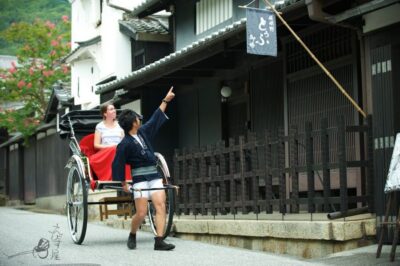
Kyoto: Arashiyama Customized Rickshaw Tour & Bamboo Forest
Read our review →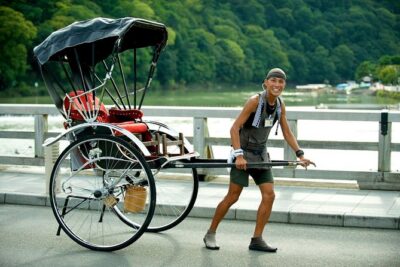
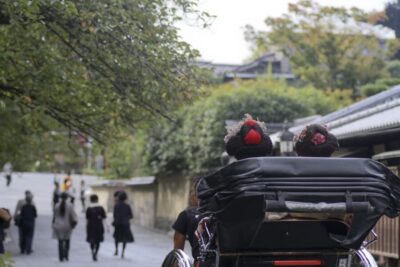
Kyoto: Private Rickshaw Tour of Gion and Higashiyama Area
Read our review →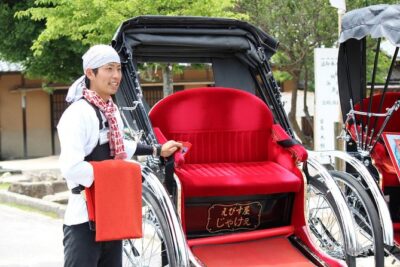
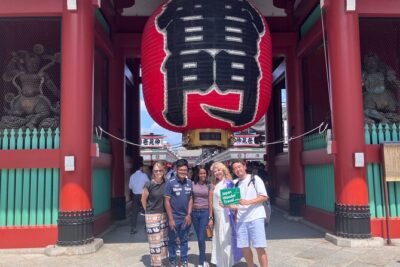
Asakusa, Tokyo: Rickshaw Experience and Highlights Walking tour
Read our review →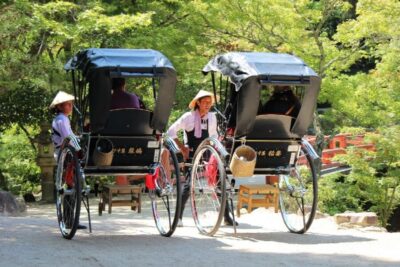
Miyajima: Private Rickshaw Tour to Itsukushima Shrine
Read our review →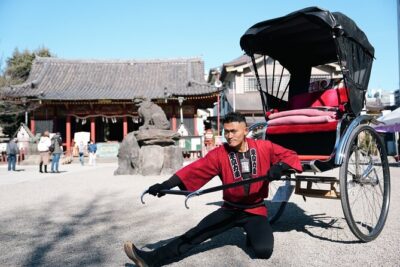
[30 minutes] Rickshaw tour around Asakusa [History, sightseeing, Tokyo Skytree]
Read our review →Tuk tuk lists that include it