
Review · JAPAN
Kamakura Rickshaw Tour
Kamakura’s rickshaw tour gives you a quick, comfortable way to see this former samurai town without walking every street. The ride moves faster than your feet but slower than a bicycle, so you can look around, listen to your guide, and still feel connected to the streets. I especially like the local guide’s personal stories and the chance to notice small places that do not appear in standard guidebooks.
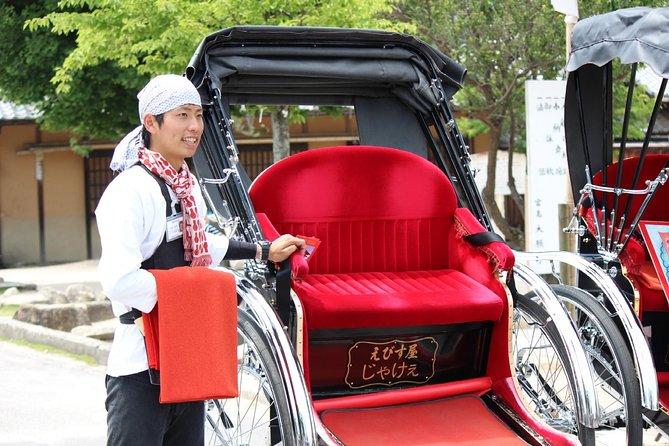
I also like the private format, since your group rides together and can discuss the finish point with the guide. The main consideration is space: a rickshaw is only 74 centimeters wide, so two adults may feel close together. Booking one rickshaw per person can make the ride more comfortable.
Key points to know before you book
- The route changes with your chosen duration: Options run from about 30 minutes to two hours, with longer rides allowing more sights and a slower pace.
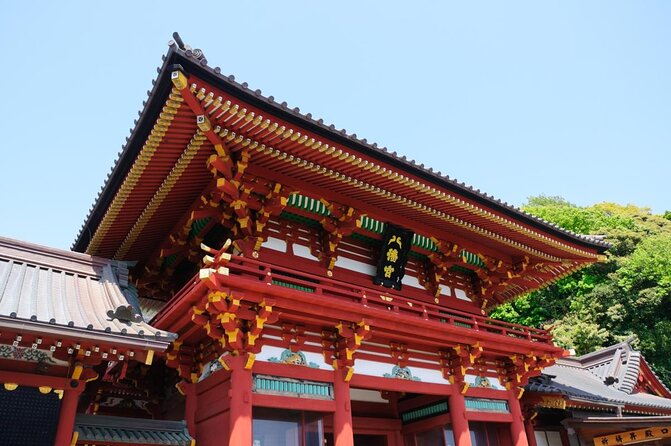
- Tsurugaoka Hachimangu is a central highlight: You get time at Kamakura’s major Shinto shrine, though admission is not included if a fee applies to a selected area.
- Zeniarai Benten adds a local ritual: Wash money at this mountain shrine, where tradition says your fortune may multiply.
- The ride is private: Only your group joins the activity, and the finishing place may be customized with the guide.
- Space deserves attention: Each rickshaw holds up to two adults, but its 74-centimeter width can feel tight for some passengers.
- The schedule needs confirmation: Your requested starting time is not automatic. The operator confirms it by email within 24 hours.
Why a rickshaw works so well in Kamakura
Kamakura is easy to reach from Tokyo, but its sights are spread across streets, temple grounds, wooded hills, and busy shrine approaches. Walking lets you explore at ground level, yet it can take time to connect one sight with the next. A bicycle is quicker, but it asks you to watch traffic and gives you less time to study the town.
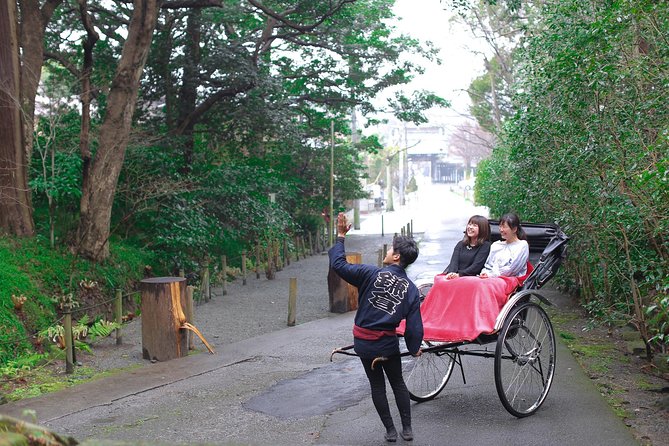
The rickshaw fills that gap. You sit high enough to get a good view, while the driver handles the movement and points out details along the way. The pace is gentle. You are not rushed past the scenery, but you also do not spend the whole morning covering the same ground on foot.
I see this as a good first activity in Kamakura. The guide can help you get oriented, explain the city’s customs, and suggest what deserves a closer visit later. You may also hear about small sights that are easy to pass without noticing.
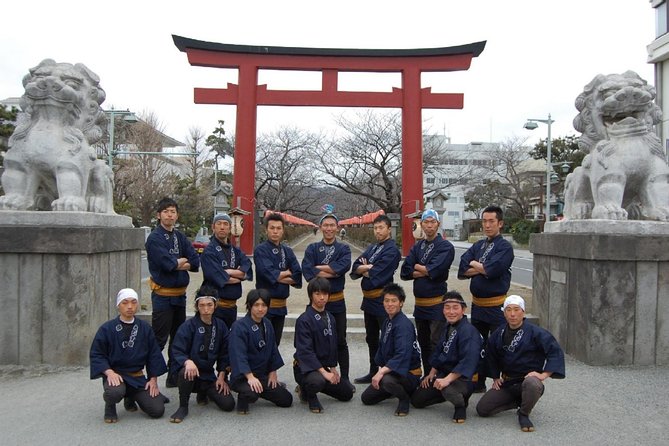
The operator, Ebisuya, describes its service as omotenashi, or attentive Japanese hospitality. That does not mean the experience is formal or stiff. It means the guide’s role includes helping you feel comfortable, explaining what you are seeing, and adapting the ride where possible.
The experience is private, so the tone depends on your group and guide. A family can keep the ride lively and simple. A couple can ask more questions. A first-time visitor can use the time to sort out Kamakura’s many temples and shrines before exploring alone.
More Rickshaw Tours in Japan:
- Tokyo Asakusa Rickshaw Tour
★ 5.0 · 1,375 reviews - Kyoto: Arashiyama Customized Rickshaw Tour & Bamboo Forest
★ 5.0 · 432 reviews - Kyoto Arashiyama Rickshaw Tour with Bamboo Forest
★ 5.0 · 354 reviews
Choosing between 30 minutes and two hours
The duration matters more here than it might on a normal sightseeing ride. The shortest option gives you an introduction and a taste of the town. It works if you have a packed Kamakura day, want help finding your bearings, or mainly want the novelty of a traditional rickshaw.
A longer option gives the guide more room to explain local history and traditions. It also gives you a better chance of seeing more than one major stop, taking photographs, and visiting quieter corners. The exact attractions and route depend on the option you select, so check the chosen duration carefully before paying.
The two-hour option is the strongest choice if the rickshaw is your main Kamakura activity. You pay for more than transport. You are buying time with a local driver-guide, a private ride, and a route that can be adjusted to your interests within the selected plan.
At the listed price of $43.04 per person, the value depends on how many people share the vehicle and how long you ride. For one person, it can be a pleasant way to see the town without arranging transport between sights. For two adults, the per-person price remains reasonable for a private experience, though you should consider comfort before putting both people in one rickshaw.
Group discounts are available, which can improve the price for a larger party. Still, the vehicle limit matters. A maximum of two adults can ride in one rickshaw. Up to two children aged five or under may sit on an adult’s lap, but a child does not get a separate seat under that arrangement.
Tsurugaoka Hachimangu and the old samurai town
Tsurugaoka Hachimangu is listed as a 20-minute stop and is one of the clearest ways to connect Kamakura with its past. The shrine overlooks the former samurai town, giving the visit a strong sense of place even if your time inside is short.
Your guide can help explain the Shinto setting and the traditions connected with the shrine. You will have time to take in the approach, notice the scale of the grounds, and ask questions rather than simply arriving, taking a photograph, and leaving.
Twenty minutes is enough for a focused stop, not a full shrine visit. If you want to explore every part of the grounds, take your time with rituals, or linger for photographs, you may want to return after the tour. The rickshaw ride is best viewed as an introduction here.
Admission is not included. The information provided does not specify a general entry charge for the main shrine grounds, so check with the guide about any paid area or selected route on the day. That small uncertainty is worth remembering when you plan your budget.
The shrine also gives you a useful contrast with Zeniarai Benten. Tsurugaoka Hachimangu presents Kamakura’s public religious and political story on a broad scale. Zeniarai Benten feels more intimate, with a ritual focused on money and fortune.
Zeniarai Benten and the money-washing ritual
Zeniarai Benten Shrine sits inside a mountain setting and is associated with the god of wealth. Its best-known custom is simple: wash your money at the shrine, since local belief says the money will multiply.
The ritual gives this stop a hands-on quality. Instead of only looking at a building or statue, you take part in a small tradition. Your guide can explain how the practice fits into the shrine visit, while you decide how much time to spend with it.
Admission is listed as free, which makes the stop easy to add to a sightseeing day. You may still want to carry a small amount of cash if you wish to take part in the money-washing custom, but the tour information does not specify a required amount or any extra ritual fee.
The shrine is described as a Buddhist temple in the tour details, while Zeniarai Benten is also commonly referred to as a shrine. Since the information provided uses both descriptions, you can ask your guide for the local explanation of the site’s religious character.
Like Tsurugaoka Hachimangu, the listed stop lasts about 20 minutes. That is enough for a brief visit and the central ritual, but not a long period of quiet exploration. If this is the place you most want to study, confirm how much time your selected route allows.
More tuk tuk tours around Japan:
- Kyoto Rickshaw Tour
★ 5.0 · 210 reviews - Tokyo: Asakusa Sightseeing Tour by Rickshaw
★ 4.9 · 195 reviews - Kyoto: Private Rickshaw Tour of Gion and Higashiyama Area
★ 5.0 · 144 reviews - Asakusa, Tokyo: Rickshaw Experience and Highlights Walking tour
★ 5.0 · 47 reviews
Bamboo and the places beyond the main stops
One especially appealing detail is the reference to a bamboo forest included on one of the rides. The exact route and duration are not specified, so you should not assume every booking includes it. Ask at the departure point if the bamboo area is important to your plans.
This is a good example of why the longer options can offer better value. A short tour must focus on a limited route. With more time, the guide may be able to include additional sights beyond the two named stops, depending on the option you select and the day’s conditions.
You should also keep expectations sensible. The tour promises places you might not find in guidebooks or online, but it does not provide a fixed list of every minor stop. The route is shaped by your chosen package, and the guide’s language availability depends on who is working that day.
The most useful approach is to tell the guide what interests you at the start. You might care most about shrines, seasonal beauty, local customs, photography, or a gentle introduction for children. The ride is private, so your questions can guide the conversation.
Comfort, seating, and family details
The rickshaw can hold two adults, but it is only 74 centimeters wide. That is a narrow seat by ordinary transport standards. Two smaller adults may be fine for a shorter ride, while larger passengers or anyone who prefers personal space should consider booking a separate rickshaw for each person.
This is not just a minor comfort issue. If two people do not fit comfortably in one vehicle, you will need an additional rickshaw. Availability of an extra rickshaw with an English-speaking guide is not guaranteed if you wait until the day of the tour, so arrange it when booking.
Children aged five or under can ride on an adult’s lap without occupying a separate seat. Up to two such children may ride with two adults. Children aged six and over are charged the adult price.
Most people can take part, and the meeting point is near public transportation. The important health restriction is pregnancy: people in their first 16 weeks of pregnancy are not permitted to ride.
The guide may speak more than one language, subject to availability. If you need a particular language, ask at the departure point, but do not assume it is guaranteed unless the operator confirms it.
Meeting at Ebisuya in Yukinoshita
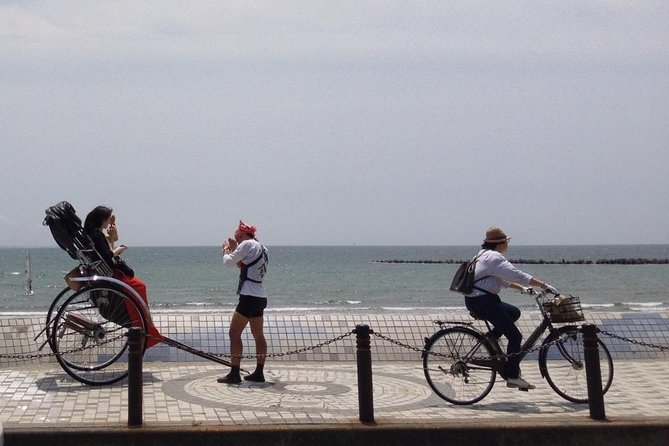
The ride begins and normally ends at Ebisuya Kamakura RickshawJapan at Front Avenue Yukinoshita, 1-12-3, in Yukinoshita, Kamakura. The meeting point is near public transportation, which makes it practical for a day trip.
Your selected starting time is not automatically guaranteed. The operator sends confirmation by email within 24 hours of booking, so watch for that message before arranging a tight connection or timed admission elsewhere.
The end point can vary by tour option. You can also discuss a different finish with the guide, but a drop-off somewhere other than the rickshaw stand may incur an extra fee paid on the day.
That flexibility can be useful if you want to continue directly to another Kamakura sight. Still, confirm the arrangement early. A customized finish is not necessarily free, and the final route depends on the package you purchase.
Food and drinks are not included, and hotel pickup and drop-off are not provided. Plan to reach the stand yourself and bring anything you need for the ride. The booking includes the rickshaw and local driver-guide, not a meal or a full day of personal transport.
How the private format affects the experience
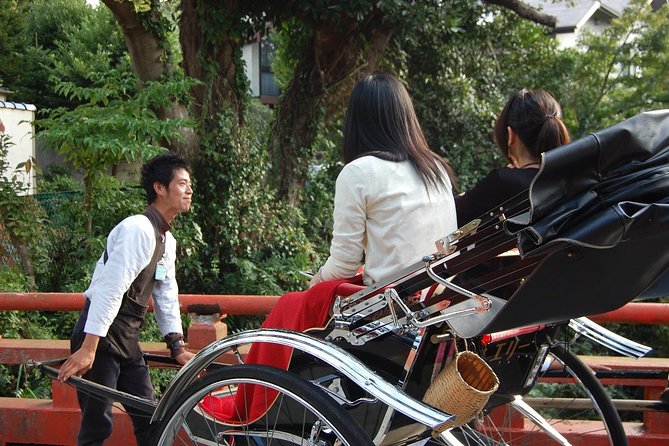
Only your group takes part, which gives the ride a more personal feel than a large sightseeing vehicle. You can ask questions without calling across a crowd, and the guide can adjust the explanation for adults, older children, or people visiting Japan for the first time.
The private format also makes the tour useful for groups with different walking abilities. You still need to board and sit in the rickshaw, but you avoid covering every connection between sights on foot. The ride is not hotel transportation, however, so you must reach the meeting point independently.
The guide’s role is central. The tour description emphasizes local knowledge, stories beyond standard online information, and Japanese history, traditions, and seasonal beauty. Since guide language depends on availability, ask for your preferred language when you arrive and confirm it before the ride if possible.
A friendly, informative guide can make a short ride feel worthwhile. A less suitable guide match could make the same route feel brief, which is another reason to choose a longer duration if explanation and conversation matter to you.
Cancellation and booking timing
You can cancel for a full refund up to 24 hours before the experience start time. Cancellations made less than 24 hours before the start are not refunded, and changes within that same period are not accepted.
The cut-off uses Kamakura local time. Keep that in mind if you are booking from another time zone or changing plans while in Japan.
This experience is often reserved well ahead, with an average booking time of about 54 days in advance. That does not mean every date sells out, but it does suggest that early planning is wise, especially if you need extra rickshaws, a particular language, or a specific starting period.
Who should book this Kamakura ride?
I would choose this tour for a first Kamakura visit, a family that wants less walking, or anyone who enjoys learning local customs from a guide. It also suits a short visit when you want a clear introduction before exploring independently.
The ride is a good match for people who value atmosphere and conversation as much as a checklist of monuments. The money-washing ritual at Zeniarai Benten and the possibility of a bamboo forest add character beyond simply moving between major sights.
I would think twice if you want complete control over every minute or plan to spend a long time inside each shrine. The named stops are brief, and route details depend on the option selected. A self-guided day may suit you better if you prefer to linger.
I would also budget for a separate rickshaw if two adults may find the 74-centimeter seat too narrow. Comfort is more important than saving the cost of one vehicle, particularly on a longer ride.
Should you book the Kamakura Rickshaw Tour?
Book it if you want a private, easy-paced introduction to Kamakura with a local guide, especially if you like small traditions and personal stories. The strongest choices are the longer options, since they give you more time for conversation and additional sights such as the bamboo forest, when included.
Choose the shortest ride if you mainly want a taste of rickshaw travel or have a full schedule. Before booking, confirm the duration, language needs, seating plan, and final drop-off. For the listed $43.04 per person, this is good value when you use it for orientation, local insight, and comfortable movement between parts of town, not just as a short taxi ride.
FAQ
Where does the Kamakura Rickshaw Tour start?
The tour starts at Ebisuya Kamakura RickshawJapan, Front Avenue Yukinoshita, 1-12-3, Yukinoshita, Kamakura, Kanagawa 248-0005. The meeting point is near public transportation.
Where does the tour finish?
The usual end point is the Ebisuya Kamakura RickshawJapan stand. The finish can vary by selected tour option, and you can discuss a customized end point with your guide. A different drop-off may cost extra.
How long is the rickshaw ride?
Available tour durations range from about 30 minutes to two hours. The attractions and route depend on the duration you select.
How many adults fit in one rickshaw?
A maximum of two adults can ride in one rickshaw. Each vehicle is 74 centimeters wide, so booking one rickshaw per passenger may be more comfortable for some people.
Can young children ride?
Children aged five or under may ride on an adult’s lap without occupying a seat. Up to two young children can ride with two adults. Children aged six and over are charged the adult price.
Are Tsurugaoka Hachimangu and Zeniarai Benten included?
The route depends on your selected option. Tsurugaoka Hachimangu is listed as a 20-minute stop, and Zeniarai Benten is also listed as a 20-minute stop. Admission for Tsurugaoka Hachimangu is not included, while admission to Zeniarai Benten is free.
Can I cancel for a refund?
Yes. You can cancel at least 24 hours before the experience start time for a full refund. Cancellations or changes made less than 24 hours before the start are not accepted for a refund.
Newly added rides around Japan
- Rickshaw Tour of Kagoshima’s Historical and Cultural Sites★ 5.0 · 4 reviews
- Kamakura Heritage Bike or Walk Tour with ex-Rickshaw guide★ 5.0 · 11 reviews
- Hakodate Rickshaw Tour★ 5.0 · 18 reviews
- [60 minutes] Rickshaw tour around Asakusa [Complete Asakusa tour/power spots]★ 5.0 · 38 reviews
- [30 minutes] Rickshaw tour around Asakusa [History, sightseeing, Tokyo Skytree]★ 5.0 · 38 reviews
- Tokyo: Asakusa tour by rickshaw★ 4.9 · 11 reviews
- Tokyo Vegan Tour : Miso Making, Tea Ceremony, Rickshaw Ride★ 5.0 · 2 reviews
- Tokyo: Asakusa Highlights Walking (OP : Rickshaw Experience)★ 3.5 · 4 reviews
Japan Tuk Tuk Tours: the nearest alternatives
Kyoto: Arashiyama Customized Rickshaw Tour & Bamboo Forest
Read our review →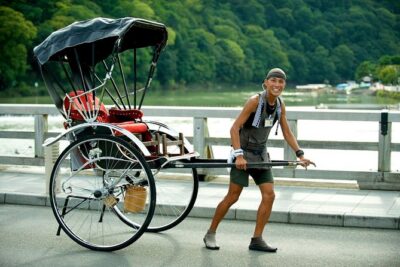
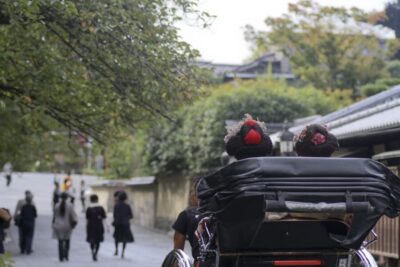
Kyoto: Private Rickshaw Tour of Gion and Higashiyama Area
Read our review →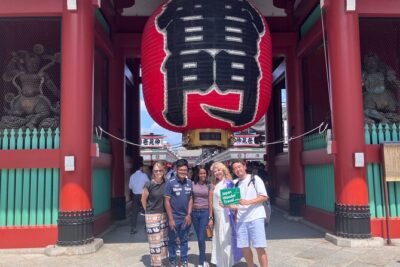
Asakusa, Tokyo: Rickshaw Experience and Highlights Walking tour
Read our review →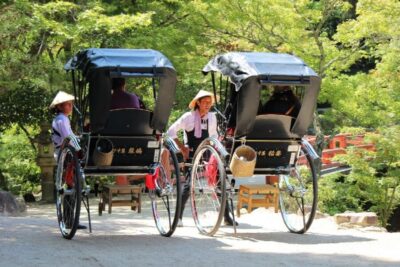
Miyajima: Private Rickshaw Tour to Itsukushima Shrine
Read our review →
[30 minutes] Rickshaw tour around Asakusa [History, sightseeing, Tokyo Skytree]
Read our review →
[60 minutes] Rickshaw tour around Asakusa [Complete Asakusa tour/power spots]
Read our review →Tuk tuk lists that include it