
Review · TOKYO
Tokyo Vegan Tour : Miso Making, Tea Ceremony, Rickshaw Ride
Tokyo’s food culture comes alive here through hands-on cooking, not a quick tasting counter. You make miso or onigiri with Japanese ingredients, try five kinds of amazake, then move on to tea, temples, a rickshaw, and sake around Minato City.
I like the link between old craft and modern Tokyo, especially the 150-year-old fermentation shop that supplies the rice koji. I also like the private-group format and the clear English guidance. Konomi, one guide named in the feedback, was praised for being friendly, easy to understand, and involved at every step.
The main point to check is the final price. The advertised cost is $62 per person, but making both miso and onigiri, and any optional parts, may cost extra. Confirm which choices are included before booking.
Key points at a glance
- Make your own Japanese food: Choose miso, onigiri, or both for an extra fee, using Tokyo-grown rice, fresh nori, and rice koji from a 150-year-old fermentation shop.
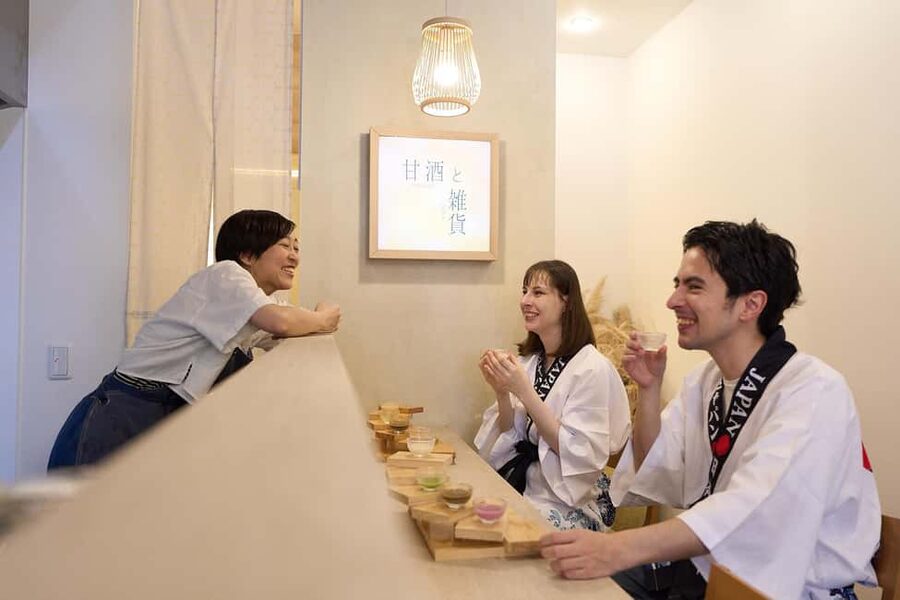
- Taste five types of amazake: This traditional Japanese drink gives you a useful introduction to different styles and flavors.
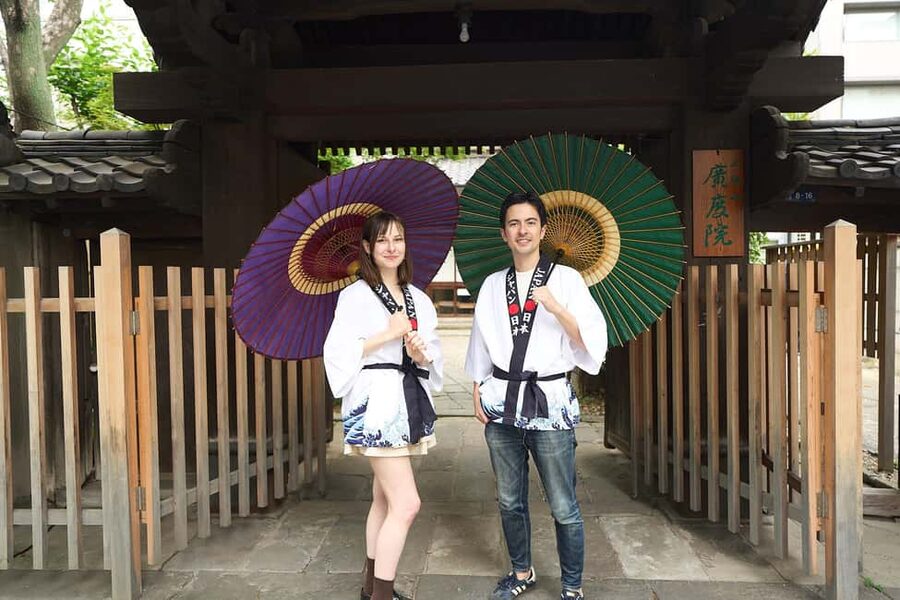
- Visit Kōdōin at Zojoji: The temple setting gives the matcha experience a calm, traditional feel.
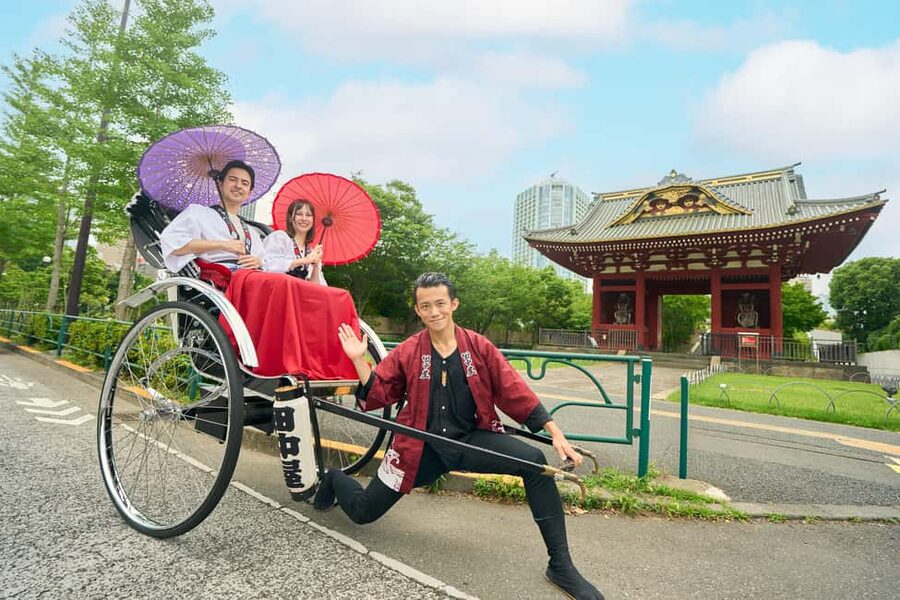
- Ride beside Tokyo Tower: The 10-minute rickshaw trip offers a comfortable local view of Zojoji and the tower area.
- Finish with Tokyo sake: Minato Shuzo is described as the only sake brewery within Tokyo’s 23 special wards.
- Travel privately with English help: The four-hour experience is designed for a private group, with English and Japanese available.
Why this tour works for vegan visitors
Many Japanese food tours focus on fish, meat, or unclear stock ingredients. This one takes a different route. The listed ingredients are 100 percent plant-based, which makes the food portion easier to navigate if you follow a vegan diet.
That does not mean every drink fits every vegan preference. Sake is made from rice, water, yeast, and koji, but you may still want to ask the guide about production details if you avoid any processing aids or have strict dietary rules. The experience itself is presented as vegan-friendly, and the cooking activities use plant-based ingredients.
I especially like the chance to make food rather than simply sample it. Miso and onigiri are simple foods, but they carry a lot of everyday Japanese culture. You learn how ingredients are handled, how texture matters, and how a basic rice dish can be shaped into something portable and personal.
The food activity lasts about 90 minutes in Minato City. That is enough time for a real lesson without taking over the whole afternoon. You can choose either miso making or onigiri, or pay an optional fee to do both. If you enjoy food workshops, the extra choice may be worth considering. If your main goal is the tea ceremony and sightseeing, one activity should be enough.
More Rickshaw Tours in Japan:
- Tokyo Asakusa Rickshaw Tour
★ 5.0 · 1,375 reviews - Kyoto: Arashiyama Customized Rickshaw Tour & Bamboo Forest
★ 5.0 · 432 reviews - Kyoto Arashiyama Rickshaw Tour with Bamboo Forest
★ 5.0 · 354 reviews
Making miso with rice koji
Miso starts with fermentation, and the rice koji is the key ingredient here. The class uses rice koji from a fermentation shop with 150 years of experience, giving the workshop a direct connection to Japanese food craft rather than treating miso as a vague cultural symbol.
You will work with the ingredients under guidance from English-speaking staff. The supplied details do not state that you take a finished batch home, so do not assume that you will leave with ready-to-eat miso. Ask what happens to your mixture after the class if that matters to you.
This part suits cooks who like to understand process. You are not just hearing that miso is traditional. You are handling one of the ingredients that gives it its character. The activity also gives your guide something concrete to explain, from fermentation to how miso appears in Japanese meals.
The limitation is that the class may be less exciting if you want a full meal or a long cooking lesson. Miso making is a focused activity, not a multi-course workshop. Pairing it with the onigiri option adds more action, but it also brings an additional charge and may make the schedule feel fuller.
Shaping onigiri with Tokyo-grown rice
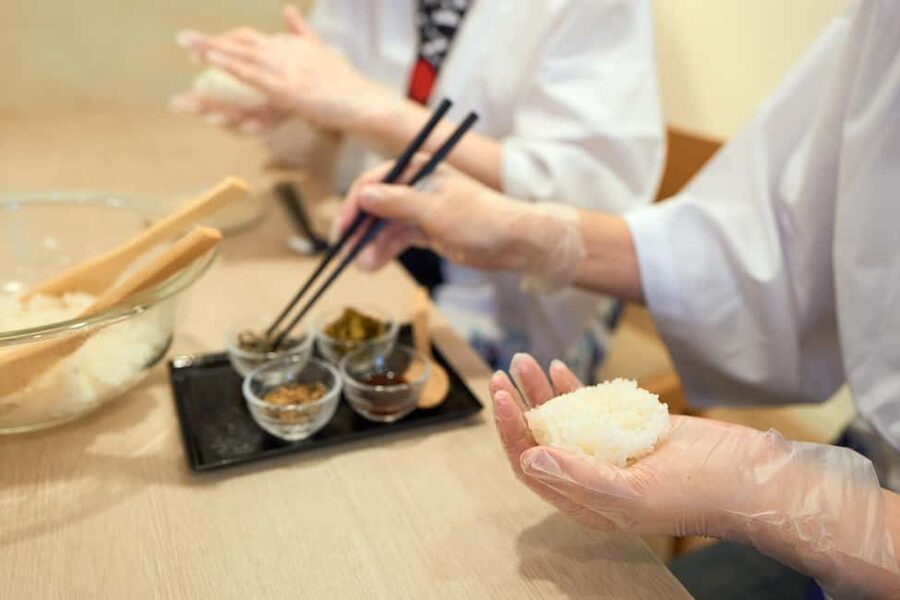
The onigiri activity uses Tokyo-grown rice and freshly harvested nori. You craft triangular rice balls, then eat what you make. That simple shape is part of the fun, especially if you have mostly encountered onigiri as a packaged snack from a convenience store.
The quality of the ingredients matters here. Local rice gives the activity a clear sense of place, while fresh nori adds texture and a clean sea flavor. Since you eat your own work shortly afterward, this is more satisfying than a demonstration where you watch someone else prepare the food.
The cooking portion is also highly social, even in a private group. You can ask questions as you go, and the guide can explain the food in plain English. One confirmed account described the miso and triangle rice-making activities as very interactive, which fits the format well.
If you want the strongest food value, choose both cooking activities. If you prefer a lighter schedule, onigiri alone may be the better choice because you get a finished snack during the tour. Check the extra fee before you commit, since the base price does not clearly include both.
Five amazake samples after the cooking
After making and eating the onigiri, you taste five different kinds of amazake. This is a useful stop for anyone who knows little about Japanese drinks. Amazake can be sweet, filling, and quite different from what many visitors expect from a traditional beverage.
The tasting gives you comparison rather than one isolated sample. Five versions let you notice changes in sweetness, texture, and style. The supplied details do not identify each flavor or explain whether every sample is made from rice koji, so ask the guide to describe them as you taste.
This portion also helps pace the tour. You move from making food to sitting down and sampling drinks before heading outside to the temple. It is a small but thoughtful bridge between the cooking class and the cultural visits.
More Vegan and Vegetarian Tours around Japan:
- Bangkok: Vegetarian Food Tour with Tuk Tuk Ride
★ 4.0 · 3 reviews
Kōdōin and the matcha ceremony
A five-minute walk brings you to Kōdōin, a historic sub-temple of Zojoji. The setting changes the mood quickly. After the practical, hands-on cooking class, you enter a quieter place where the focus shifts to movement, attention, and tradition.
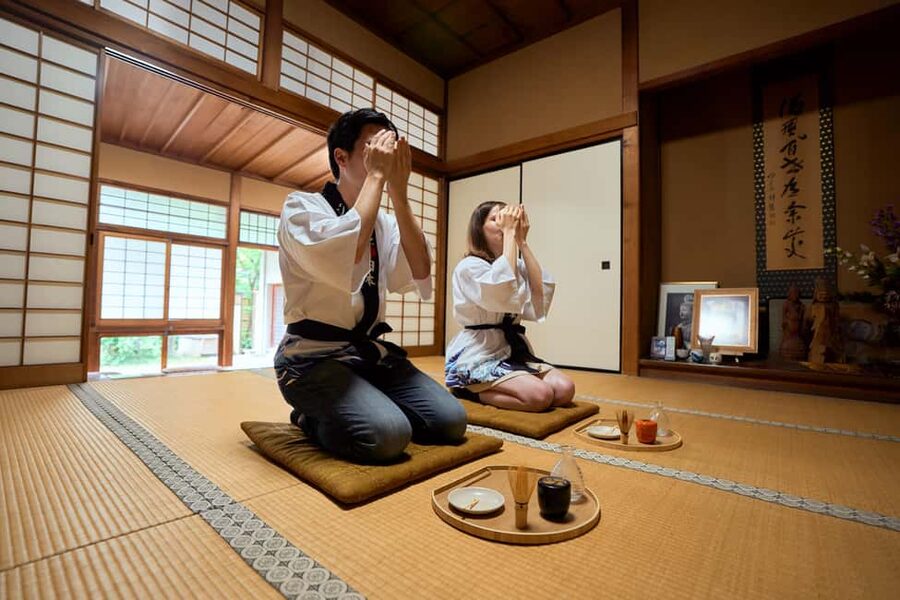
The matcha experience lasts about 45 minutes. You learn about the history of tea and the Zojoji area, then watch or take part in a traditional tea ceremony. The tone is described as authentic but friendly, which is important for first-time visitors. You get cultural context without needing to know the correct etiquette in advance.
The ceremony is one of the strongest reasons to choose this outing over a food-only class. Food workshops can be found in many cities, but tea inside a historic temple adds a sense of place. You are not simply drinking powdered green tea. You are seeing how the drink fits into Japanese customs and the setting around Zojoji.
The listing describes the matcha experience as optional in one place and included in another. That is a detail worth clarifying when you book. Ask exactly what the $62 price covers, especially if the tea ceremony is a deciding factor.
Zojoji, Tokyo Tower, and the rickshaw ride
After the tea ceremony, you continue sightseeing in Minato City. The walking portions are short, with about five minutes between the main stops. This keeps the afternoon easy to follow and avoids spending much of the tour on trains or buses.
The rickshaw ride lasts 10 minutes and takes you around the Tokyo Tower and Zojoji Temple area. A pedicab gives you a different view from walking. You sit back while the driver handles the route, and the elevated seat can make familiar streets feel new.
The ride is included for 10 minutes, while a longer ride costs extra. Do not expect a long city tour from this portion. Think of it as a short local-style circuit and a change of pace between the temple visit and the final tasting.
There is also a physical side to the ride. The rickshaw is pulled by a person, so some visitors may feel uneasy about the effort involved. One account specifically noted that the ride looked hard work but felt comfortable for the passengers. That is useful context: it is an enjoyable novelty, but you may prefer to keep it brief or skip any extra time.
The route around Tokyo Tower and Zojoji gives the ride its appeal. You get an iconic Tokyo landmark and a major temple area in one compact visit. The tour does not promise entry to Tokyo Tower, so treat this as an outside sightseeing experience rather than a tower visit.
Sake at Minato Shuzo
The final tasting takes about 15 minutes and takes place at Minato Shuzo. The brewery is described as the only sake brewery within Tokyo’s 23 special wards, which gives this short stop a strong local angle.
The sake tasting comes after the food, tea, temple, and rickshaw. That order creates a pleasant finish, but it also means you should pace yourself. The details do not specify the number or style of sake samples, so ask the guide what will be served if you have strong preferences.
This is not a full brewery tour based on the information provided. You should expect a tasting rather than a long production visit. Still, it adds another layer to the day. You have already handled koji during the miso activity, then tasted amazake, and now encounter sake, another drink tied to Japanese fermentation.
For vegan visitors, the food portion is clearly plant-based, while sake is part of the drinks program. If you do not drink alcohol, check whether you can simply observe or receive a nonalcoholic alternative. No substitute is promised, so it is best to ask in advance.
What the $62 price gets you
At $62 per person, this experience offers a lot of variety for four hours. You receive a cooking activity, amazake tasting, temple visit, tea experience, sightseeing, a 10-minute rickshaw ride, and sake tasting, with an English-speaking guide. For a private group, that combination can make the price reasonable.
The value depends on which options are included. Miso or onigiri is the basic choice, while both cost extra. The rickshaw is included for 10 minutes, but longer rides are not. The matcha activity is described in conflicting ways, as both optional and included, so confirm the details before paying.
I would judge the price by how much of the program you actually want. If you value a private guide and enjoy food, tea, and short cultural visits, the package is strong. If you only want a cooking class, you may be paying for several activities you do not care about.
The private format adds value for couples, families, and small groups. You can ask questions without competing with a large crowd, and the guide can adjust explanations to your interests. One confirmed booking described the whole afternoon as exclusive to the group, with specialists handling parts such as cooking and tea. That arrangement gives you both a main guide and expert instruction at key stops.
Timing, meeting point, and group style
You meet at Daimon Station, Exit A6. Start times vary, so check availability when choosing a date. The four-hour schedule includes walking, sitting, tasting, and the short rickshaw ride, so you get several types of activity rather than four hours of continuous instruction.
The planned order is practical:
- About 90 minutes for cooking in Minato City
- A five-minute walk
- About 45 minutes for sightseeing and tea at Kōdōin
- Another five-minute walk
- About 30 minutes of sightseeing
- A 10-minute rickshaw ride
- About 15 minutes of food or drink tasting
The listed times add up to less than four hours, which likely leaves room for introductions, movement, explanations, and transitions. Do not schedule a tight appointment immediately afterward. The tour is designed as one relaxed afternoon, not a race between fixed stops.
English and Japanese are available, and the tour is conducted in English. The guide leads the overall route, while specialists may handle cooking or tea instruction. Konomi is one named guide associated with the experience, and the feedback specifically praised her clear English, friendly manner, and hands-on approach.
Cancellation is free up to 24 hours before the start time, and you can reserve now and pay later. Those terms help if your Tokyo plans are still shifting, but the important decision remains the optional-fee structure. Confirm the final inclusions before booking.
Who should book this Tokyo vegan tour?
I would recommend it to you if you want several small cultural experiences in one outing. It suits first-time visitors who want an introduction to Japanese food traditions without committing to a full-day tour. It also fits returning visitors who have seen the main sights but want to connect with fermentation, tea, and local sake.
Vegans get a clear advantage because the listed cooking ingredients are plant-based. Couples and small private groups should also appreciate the flexible question time and the mix of expert-led activities. The tour is a good match for people who prefer guided context over simply taking photographs outside temples.
You may want to skip it if you dislike alcohol, have no interest in tea ceremony, or want a long rickshaw trip. The food class is not a full restaurant meal, and the rickshaw segment is short. You should also budget for optional upgrades if you want both cooking activities or a longer ride.
Should you book it?
Book this experience if you want a compact, private introduction to vegan Japanese food and Minato’s cultural sights. The strongest elements are the rice koji connection, hands-on onigiri making, five amazake samples, the temple tea setting, and the unusual stop at Tokyo’s inner-city sake brewery.
Before you pay, confirm three things: whether matcha is included, the cost of doing both miso and onigiri, and the exact rickshaw allowance. If those terms suit your plans, $62 offers good value for a four-hour afternoon with food, culture, and a guide who can explain what you are seeing.
FAQ
Where does the tour start?
The meeting point is Daimon Station, Exit A6.
How long does the experience last?
The tour lasts four hours. Starting times vary, so check availability when booking.
Is the food vegan?
Yes. The ingredients used in the experience are stated to be 100 percent plant-based and vegan-friendly.
Can I make both miso and onigiri?
You may choose miso or onigiri, and you can do both by paying the optional additional fee.
Is the rickshaw ride included?
A 10-minute rickshaw ride is included. A ride longer than 10 minutes is not included and costs extra.
What languages are available?
English-speaking staff guide the experience, and English and Japanese are listed as available languages.
Newly added rides around Japan
- Kamakura Rickshaw Tour★ 5.0 · 53 reviews
- Rickshaw Tour of Kagoshima’s Historical and Cultural Sites★ 5.0 · 4 reviews
- Kamakura Heritage Bike or Walk Tour with ex-Rickshaw guide★ 5.0 · 11 reviews
- Hakodate Rickshaw Tour★ 5.0 · 18 reviews
- [60 minutes] Rickshaw tour around Asakusa [Complete Asakusa tour/power spots]★ 5.0 · 38 reviews
- [30 minutes] Rickshaw tour around Asakusa [History, sightseeing, Tokyo Skytree]★ 5.0 · 38 reviews
- Tokyo: Asakusa tour by rickshaw★ 4.9 · 11 reviews
- Tokyo: Asakusa Highlights Walking (OP : Rickshaw Experience)★ 3.5 · 4 reviews
Tokyo Tuk Tuk Tours: the nearest alternatives
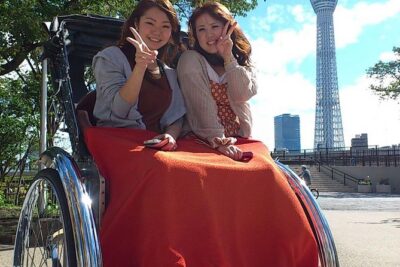
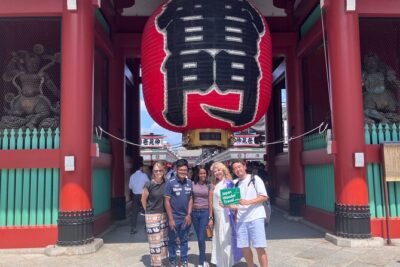
Asakusa, Tokyo: Rickshaw Experience and Highlights Walking tour
Read our review →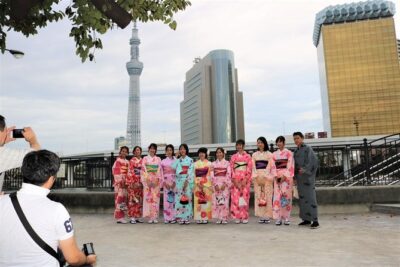
Ride a rickshaw wearing a kimono in Asakusa! Enjoy authentic traditional culture!
Read our review →Tuk tuk lists that include it