
Review · JAPAN
Miyajima: Private Rickshaw Tour to Itsukushima Shrine
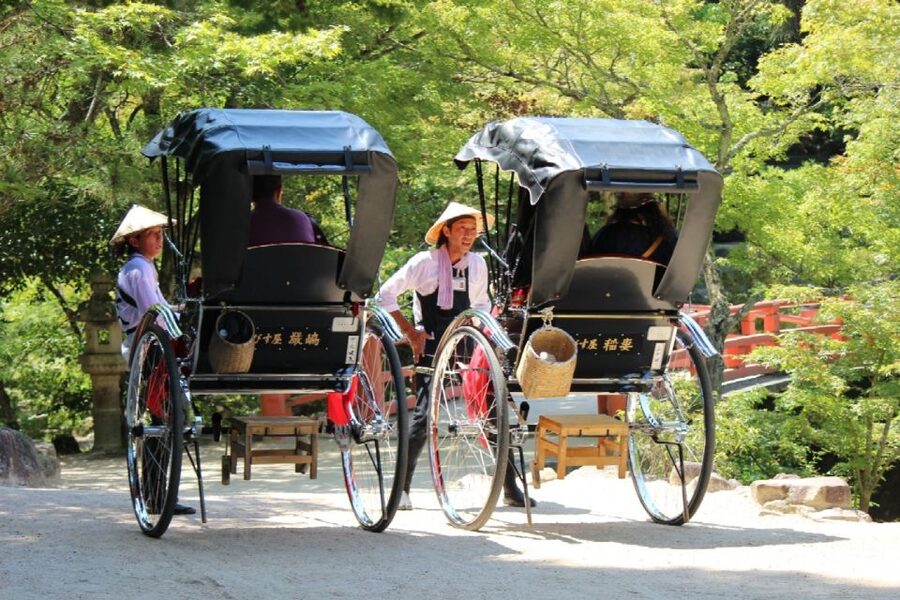
Miyajima is easy to explore on foot, but a rickshaw gives you a quicker, more comfortable way to see its old town, waterfront, and sacred sights in one outing. Your guide pedals you from the ferry terminal through the shopping arcade and along the coast toward the famous orange torii gate, with stops for photos and local stories.
I like the private format, since you can ask questions and shape the route around your interests. I also like the guide-led access to places such as Daishoin Temple and Senjokaku Shrine. The main catch is space: two adults share a 74-centimeter-wide seat, and the ride is not suitable for people with back problems or pregnant women.
Key points to know before you book
- Meet outside the Miyajima Ferry Terminal: The meeting point is on the island, and you receive a map and photo after booking.
- Choose from 45 to 190 minutes: Longer rides add temples, sea views, parks, and quieter scenic roads.
- See the torii gate from the waterfront: High tide gives the gate its famous floating appearance, but tide conditions matter.
- Daishoin Temple adds the best longer-route view: The 70-minute option includes this 1,200-year-old temple.
- The rickshaw fits two adults closely: A 74-centimeter seat may feel snug, so separate rickshaws can be more comfortable.
- Guides bring the island to life: Kim, Jose, and Shinemasa have been praised for friendly storytelling, photo help, humor, and patience.
Why a rickshaw works well on Miyajima
Miyajima rewards slow looking. Its main town has wooden townhouses, a traditional shopping arcade, shrine buildings, sea views, and deer wandering through public areas. You can walk between many of these places, but the island has enough ground to cover that a rickshaw helps you connect the dots without spending the whole visit checking a map.
Your guide meets you just outside the ferry terminal on Miyajima Island. This matters because the ferry brings you directly into the action, and you do not need to search for a distant office. After the ride begins, you pass through the town toward the central streets and the waterfront.
The private setting is a real advantage. You are not tied to a large group, and you can ask about Shinto customs, local buildings, the shrine, or the deer as you go. The route can also be adjusted to suit your interests, and you can choose the endpoint, which is useful if you want to finish near a particular sight or area.
The guides speak Japanese, and the exact communication style can vary. English-speaking customers have had guides use simple English and Google Translate when needed. Guides named Kim, Jose, and Shinemasa have been singled out for their humor, photos, local stories, and friendly manner.
More Private Tuk Tuk Tours in Japan
- Kyoto: Private Rickshaw Tour of Gion and Higashiyama Area
★ 5.0 · 144 reviews - Private Miyajima Rickshaw Tour Including Itsukushima Shrine
★ 5.0 · 32 reviews - Kamakura: Private History and Heritage Tour by Rickshaw
★ 4.9 · 7 reviews
From the ferry terminal to Miyajima’s old streets
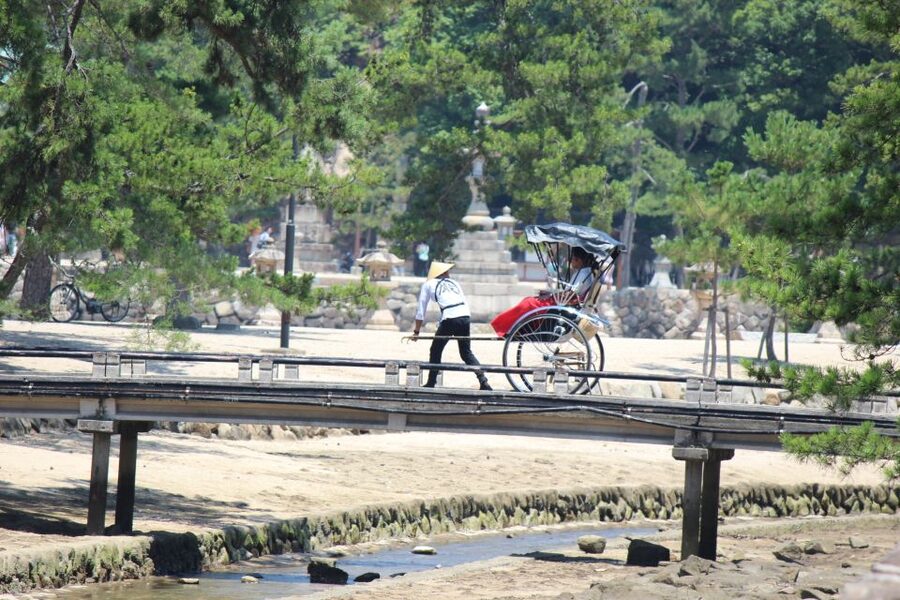
The first part of the ride gives you your bearings. From the ferry terminal, the rickshaw heads toward the center of town, where old-style houses and the shopping arcade show Miyajima as more than a single famous shrine.
The shopping arcade is a practical stop as well as a cultural one. It is where you can get a feel for the island’s food stalls, souvenirs, and everyday visitor life. The tour does not include food or drinks, so plan to buy anything you want separately.
This section is best for travelers who want context before reaching the big photo stop. A guide can point out details you might pass while walking, and the raised seat gives you a clear view as you move along. It also saves energy for the shrine and temple visits later.
You will see Miyajima’s deer around the town and shrine area. They are part of the island experience, but they are still animals, not a guaranteed photo prop. Enjoy seeing them and follow local guidance about how to behave around them.
The waterfront and the floating torii gate
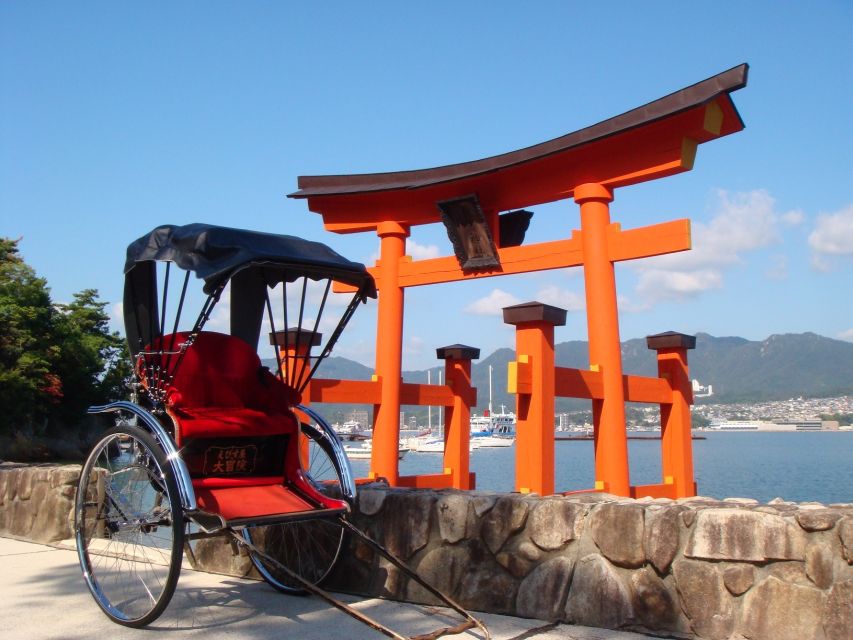
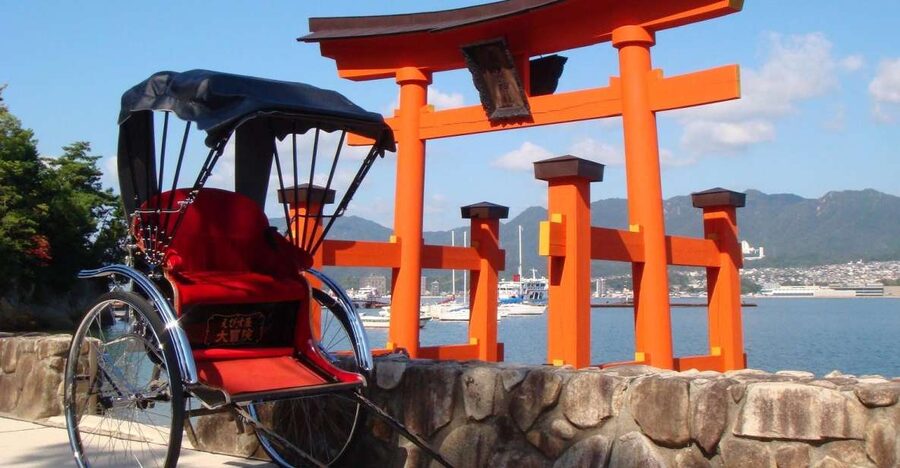
The ride continues toward the waterfront and the large orange torii gate in front of Itsukushima Shrine. At high tide, water surrounds the base of the gate, creating the floating effect that makes this one of Miyajima’s most recognizable views.
Tide timing is important. The tour includes the waterfront route, but it cannot promise that the gate will be surrounded by water at your exact ride time. If the floating view matters most to you, check the tide forecast and select a starting time that gives you a better chance of seeing it that way.
Your guide can help with photographs, one of the most useful parts of the experience. The ride gives you a chance to stop at scenic points rather than simply passing through. Still, the exact number and length of photo stops can depend on your chosen duration and the route agreed with your guide.
The torii is the visual centerpiece, but the waterfront also helps explain Itsukushima Shrine’s setting. The shrine was built with the sea as part of its view, so seeing the gate from the shore gives you more than a quick postcard image. It shows how the island’s religious identity is tied to the water.
Admission to temple and shrine sites is not included. The specific extra cost noted for Senjokaku Shrine is 100 yen. Keep some cash available if you plan to enter.
The 70-minute ride and Daishoin Temple
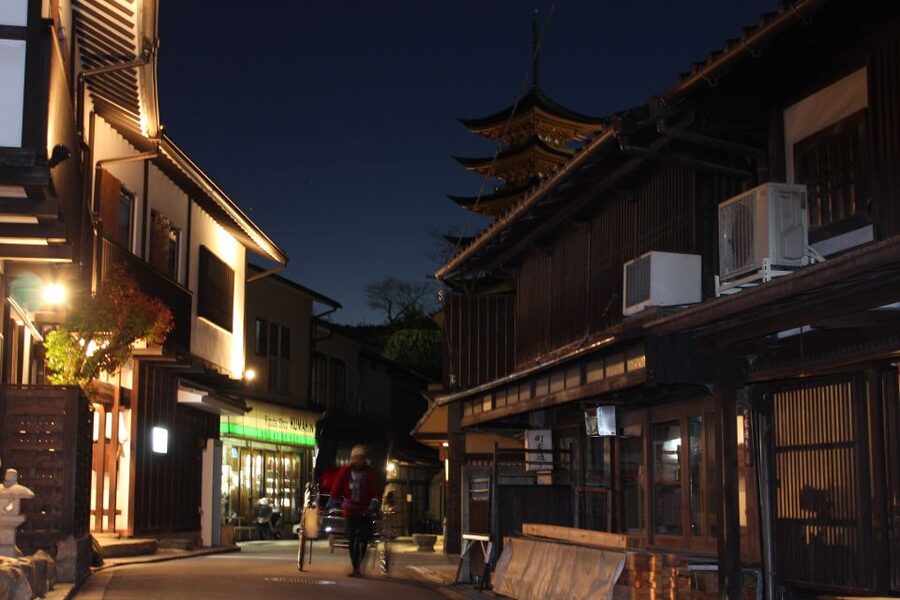
The 70-minute option adds Daishoin Temple, a 1,200-year-old Buddhist temple described as a power spot. That term refers to a place believed to give visitors good energy or spiritual strength. You do not need to share that belief to appreciate the temple’s setting and religious importance.
The temple also gives you a strong view over Miyajima. This makes the 70-minute option more than a longer version of the basic town ride. You get the old streets, the torii area, and a hilltop temple perspective that helps you understand the island from above.
There is a tradeoff. A 70-minute ride is still fairly compact, so the temple visit may feel like a focused stop rather than a long, unhurried temple visit. If you want time for several buildings, photographs, and quiet exploration, ask your guide how the timing will work before setting off.
For many people, this is the best balance of sightseeing and time. It adds a major religious site without turning the outing into a large part of the day. If Miyajima is one stop on a busy Hiroshima itinerary, I would look closely at this option.
Same streets, seen from a different seat:
- Tokyo Asakusa Rickshaw Tour
★ 5.0 · 1,375 reviews - Kyoto: Arashiyama Customized Rickshaw Tour & Bamboo Forest
★ 5.0 · 432 reviews - Kyoto Arashiyama Rickshaw Tour with Bamboo Forest
★ 5.0 · 354 reviews - Kyoto Rickshaw Tour
★ 5.0 · 210 reviews
The 130-minute route and Senjokaku Shrine
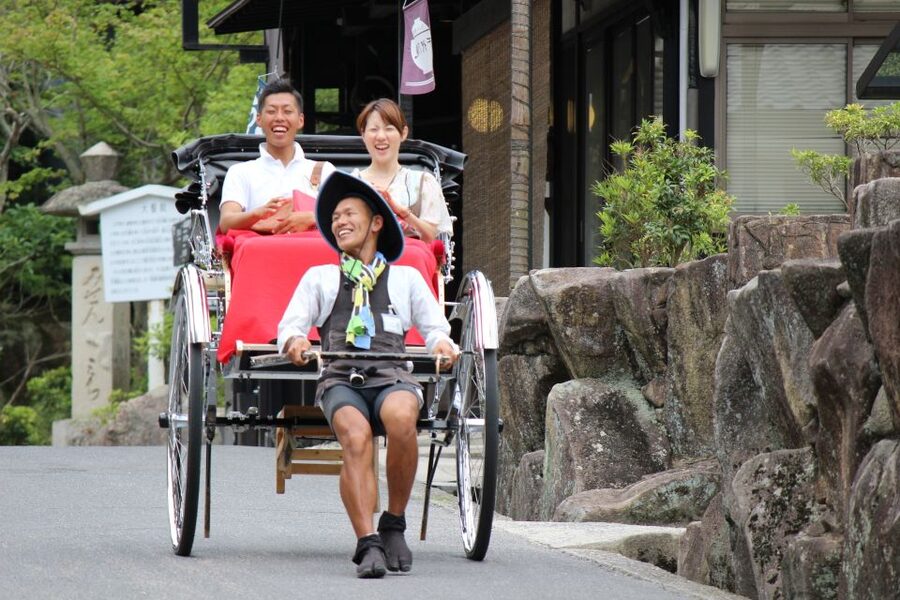
The 130-minute option adds Senjokaku Shrine, a large wooden hall built on the order of Toyotomi Hideyoshi, the former shogun. The site gives you more history and a different kind of view than Daishoin Temple, with the sea visible from the shrine area.
The extra time changes the pace. Instead of simply collecting the island’s headline sights, you have more room for explanation, stops, and the ride between them. A private guide can make this feel less like a checklist because you can ask why the site matters and how it fits into Miyajima’s past.
Entry to Senjokaku Shrine costs 100 yen and is not included. That is a small extra expense, but you should know about it before you arrive. Temple and shrine admission fees in general are also separate from the tour price.
This option suits you if Miyajima is a main stop rather than a quick side trip. It is less suitable if you only want the torii gate and a short ride before catching a ferry or continuing through the region.
The 190-minute route for scenery beyond the center
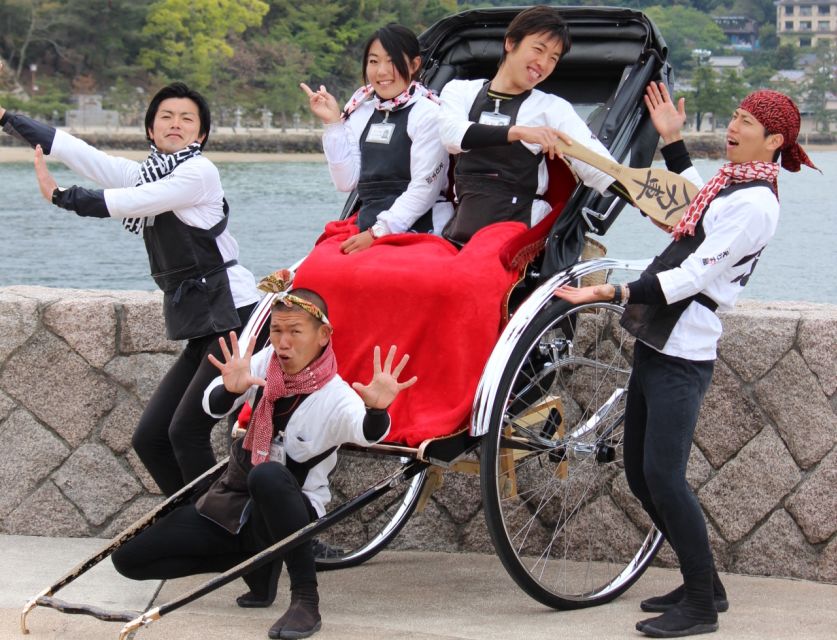
The 190-minute option adds scenic roads through parks and along the seaside, as well as the temples and shrines covered by the longer routes. This is the most complete choice and the one to consider if you want the ride itself to be a major part of your Miyajima visit.
The appeal is not just more time in the rickshaw. The route reaches areas away from the central shopping streets, letting you see more of the island’s natural setting and coastline. Since the route can be customized, tell your guide whether you care most about temples, views, photographs, seaside roads, or a particular endpoint.
The drawback is simple: nearly three hours is a substantial commitment. You will still need time for meals, independent sightseeing, and perhaps the ferry connection afterward. I would choose this only if you have enough time on Miyajima and want a relaxed, guided overview rather than a short introduction.
The 190-minute option may also be more comfortable if you dislike rushing between stops. But the seat remains the same size, so more time does not remove the basic issue of sitting close together.
Comfort, seating, and who should book
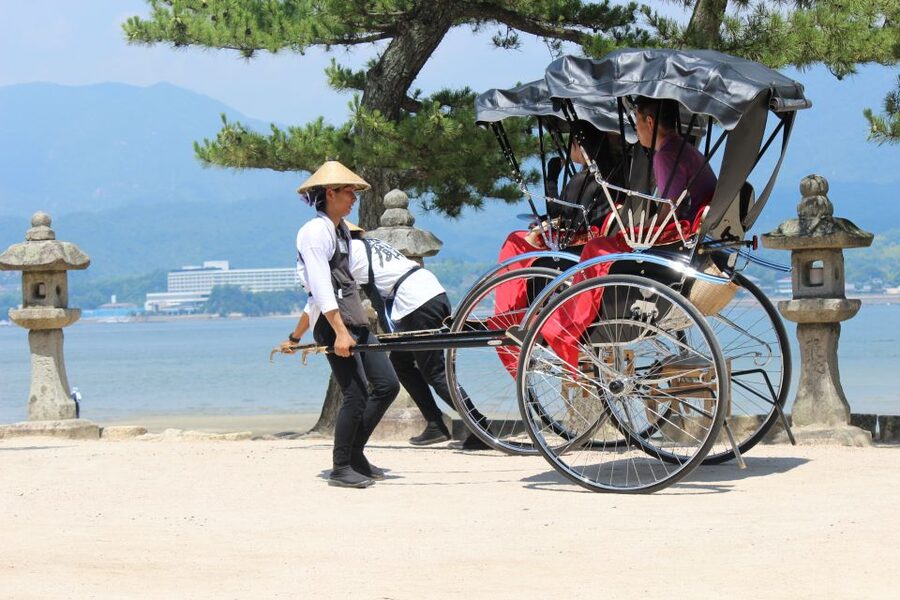
Each rickshaw holds a maximum of two adults. The seat measures 74 centimeters, or about 29.1 inches, across. Two adults can sit side by side, but that may feel tight, especially during a longer ride.
You can book individual rickshaws if you would be more comfortable with extra personal space. This raises the cost, but it may be worthwhile for taller passengers, larger adults, or anyone who prefers not to share a narrow bench.
Children aged six and under can ride free when seated on an adult’s lap, with one child per adult. The limit is two adults and two children per rickshaw. A child aged six or older using one of the two seats must book that seat as an adult.
The ride is not recommended for people with back problems or for pregnant women, particularly during the first 16 weeks of pregnancy. The activity information lists pregnant women among those for whom the tour is not suitable, so ask your medical provider if you have any concern before booking.
Selfie sticks are not allowed. That rule is easy to follow, and it also keeps the narrow vehicle and sightseeing stops safer for the guide and people nearby.
Is $51 a fair price?
At about $51 per person, the value depends on how much use you make of the guide and the private vehicle. If you only need transport along the main street, walking will cost less and give you more freedom to stop whenever you like.
The price makes more sense if you want local explanation, organized sightseeing, and help with photographs. You are paying for a private guide, not just a ride. The tour also gives you a structured way to connect the ferry terminal, old town, waterfront, torii gate, and selected religious sites.
The shorter option is likely the better value for a quick visit. The 70-minute ride adds Daishoin Temple, while the 130 and 190-minute versions make more sense when you have time to explore beyond the central sights.
Remember to budget separately for food, drinks, and admission fees. Senjokaku Shrine costs 100 yen to enter, and other temple or shrine charges are not included.
Practical timing and meeting advice
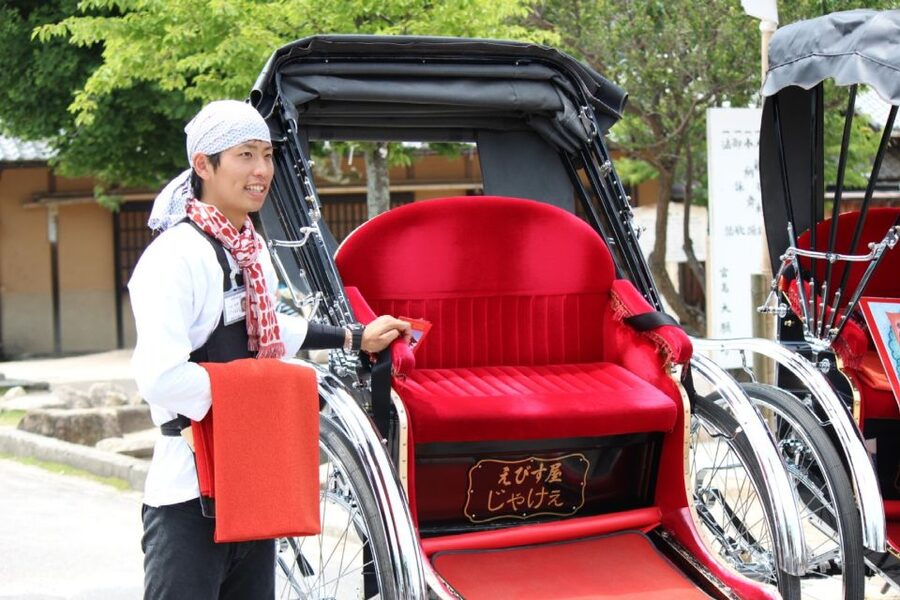
Your guide waits outside the Miyajima Ferry Terminal at the scheduled time. After you book, the local operator sends a map and photograph of the meeting point. Look at those details before leaving the ferry area, since a few minutes of confusion can cut into a short 45-minute ride.
The available durations range from 45 to 190 minutes. The 45-minute option is the quickest introduction, while the 70, 130, and 190-minute choices add increasingly broad sightseeing. Check the start times when booking, especially if you are coordinating the ride with a ferry or a separate Hiroshima plan.
The tour is private, but the guide language is Japanese. Communication may be helped by translation tools, as some guides have used Google Translate to explain points that were difficult to express in English. If detailed English commentary is essential to your visit, confirm the language arrangement before paying.
Cancellation is flexible up to 24 hours before the start for a full refund, and you can reserve now and pay later. Those terms help if your Miyajima day depends on weather, ferry timing, or a changing Japan itinerary.
My verdict: who will enjoy this most
I would book this for a first visit to Miyajima when I wanted more than a walk to the torii gate. The private format, photo help, local stories, and choice of route make it especially useful for couples, families with young children, and anyone who wants to cover more ground without planning every turn.
Choose 70 minutes for the best balance of time and sightseeing. Choose 130 minutes if Senjokaku Shrine interests you, and 190 minutes if you want scenic roads, parks, seaside views, and a slower look at the island.
I would skip it if you prefer complete independence, dislike narrow seats, have back problems, or only have a very short window before your next ferry. For everyone else, this is a friendly, practical way to meet Miyajima through its streets, sacred sites, water views, and deer, with a guide who can add the local details you might otherwise miss.
FAQ
Where does the Miyajima rickshaw tour begin?
Your guide waits outside the Miyajima Ferry Terminal on the island at the scheduled time. After booking, the local operator sends a map and photograph showing the meeting place.
How long does the rickshaw tour last?
Available durations range from 45 to 190 minutes. The listed longer choices include 70 minutes with Daishoin Temple, 130 minutes with Senjokaku Shrine, and 190 minutes with additional scenic routes.
Does the tour include Itsukushima Shrine admission?
Admission fees to temples and shrines are not included. Entry to Senjokaku Shrine costs 100 yen.
How many people can ride in one rickshaw?
A rickshaw can carry up to two adults. Children aged six and under can ride free on an adult’s lap, with one child per adult. A child aged six or older using a seat must book as an adult.
Is the rickshaw seat spacious?
The seat is 74 centimeters, or about 29.1 inches, wide and fits two adults side by side. Individual rickshaws may be more comfortable if you prefer extra space.
Can I cancel the tour if my plans change?
You can cancel up to 24 hours in advance for a full refund. The activity also allows you to reserve now and pay later.
More Temple Tuk Tuk Tours in Japan
- Kyoto:Kiyomizu-dera Temple Rent a kimono and ride a rickshaw
★ 4.8 · 7 reviews - Bangkok by Night: Temples, Markets and Food Tuk-Tuk Tour
★ 5.0 · 3,752 reviews - Bangkok: Markets, Temples and Food Night Tour by Tuk Tuk
★ 4.9 · 2,371 reviews - Siem Reap: Angkor Wat Private Tuk-Tuk Tour
★ 4.9 · 2,222 reviews
More Rickshaw Tours in Japan
- Tokyo: Asakusa Sightseeing Tour by Rickshaw
★ 4.9 · 195 reviews - Kamakura Rickshaw Tour
★ 5.0 · 53 reviews - Asakusa, Tokyo: Rickshaw Experience and Highlights Walking tour
★ 5.0 · 47 reviews - [60 minutes] Rickshaw tour around Asakusa [Complete Asakusa tour/power spots]
★ 5.0 · 38 reviews
Newly added rides around Japan
- Kamakura Rickshaw Tour★ 5.0 · 53 reviews
- Kamakura Heritage Bike or Walk Tour with ex-Rickshaw guide★ 5.0 · 11 reviews
- Rickshaw Tour of Kagoshima’s Historical and Cultural Sites★ 5.0 · 4 reviews
- Hakodate Rickshaw Tour★ 5.0 · 18 reviews
- [60 minutes] Rickshaw tour around Asakusa [Complete Asakusa tour/power spots]★ 5.0 · 38 reviews
- [30 minutes] Rickshaw tour around Asakusa [History, sightseeing, Tokyo Skytree]★ 5.0 · 38 reviews
- Tokyo: Asakusa tour by rickshaw★ 4.9 · 11 reviews
- Tokyo Vegan Tour : Miso Making, Tea Ceremony, Rickshaw Ride★ 5.0 · 2 reviews
Japan Tuk Tuk Tours: the nearest alternatives
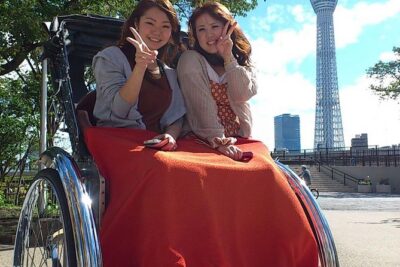
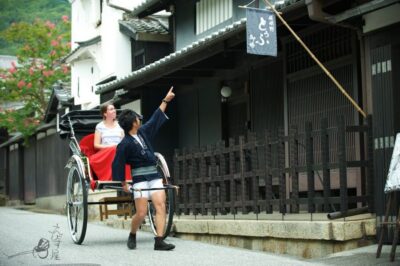
Kyoto: Arashiyama Customized Rickshaw Tour & Bamboo Forest
Read our review →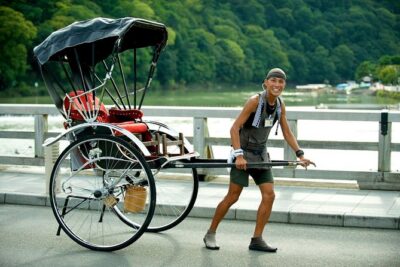
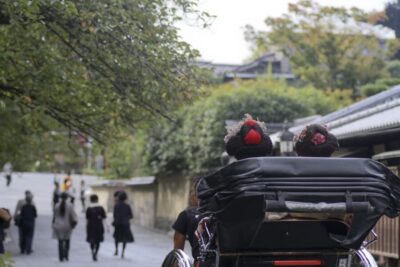
Kyoto: Private Rickshaw Tour of Gion and Higashiyama Area
Read our review →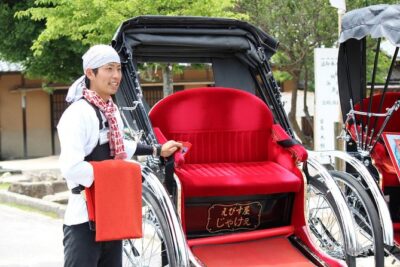
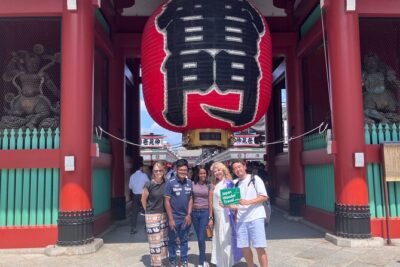
Asakusa, Tokyo: Rickshaw Experience and Highlights Walking tour
Read our review →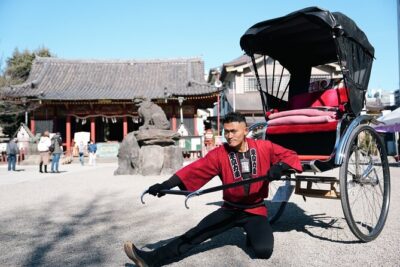
[30 minutes] Rickshaw tour around Asakusa [History, sightseeing, Tokyo Skytree]
Read our review →
[60 minutes] Rickshaw tour around Asakusa [Complete Asakusa tour/power spots]
Read our review →Tuk tuk lists that include it