
Review · KYOTO
Higashiyama | Kyoto: Sakura Season Private Rickshaw Tour
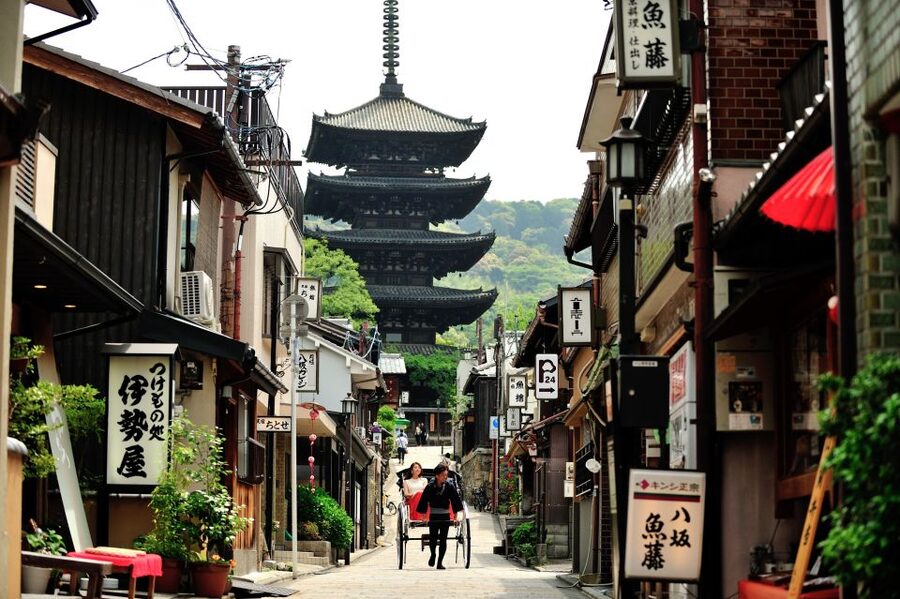
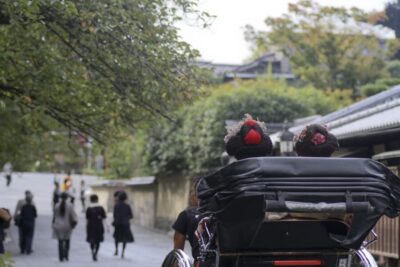
Kyoto’s cherry blossoms are lovely from street level, but a rickshaw gives you a slower, more personal way to see them. You sit above the pavement as your guide pulls you through Higashiyama’s old lanes, past wooden townhouses, small shops, the Gion geisha district, and riverside scenery.
I like two things here: the private format gives you room to ask questions, and the guide can stop for photos instead of rushing you past the best views. The longer option also includes a walk near Kiyomizu-Dera Temple, which makes the outing feel like more than a short ride.
The main catch is timing. Cherry blossoms are not guaranteed to be in full bloom, even on the selected dates, and the rickshaw seats are narrow. This is also not a good choice if you have back problems or are pregnant.
Key points to know before booking
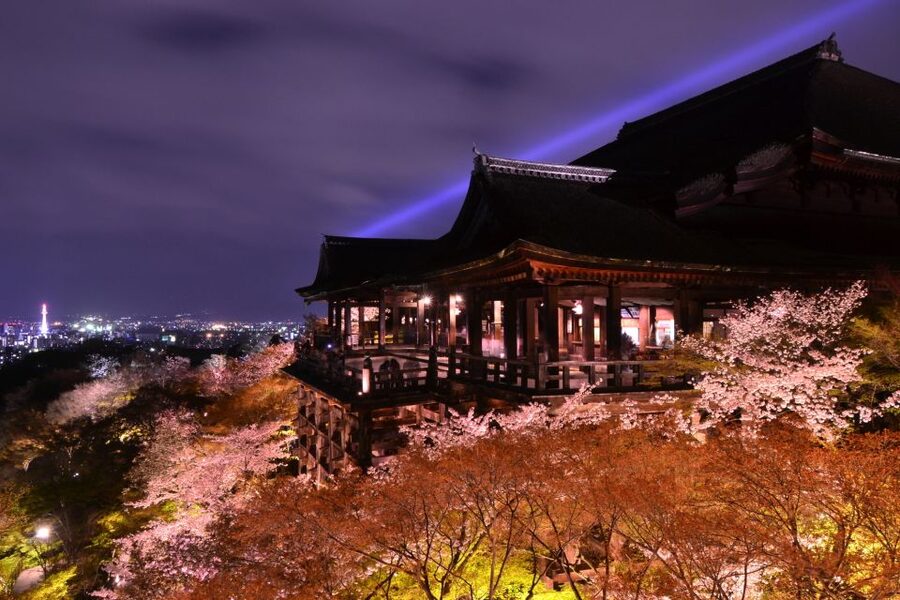
- Choose between 70 and 120 minutes: The shorter ride covers the historic streets and photo stops, while the longer choice adds time to walk among the cherry blossoms at Kiyomizu-Dera.
- The ride is private: One rickshaw serves one or two participants, with two rickshaws provided for groups of three or four.
- Higashiyama and Gion are the focus: Expect traditional wooden townhouses, shops, geisha culture, cherry trees, and riverside views.
- English and Japanese guides are available: Previous bookings praised the guides’ English, attention to detail, and stories about geisha culture.
- Cherry-blossom timing remains uncertain: The dates are based on earlier years and current estimates, but nature does not follow a booking calendar.
- Meet at Ichinenzaka and Nene Street: Search Google Maps for Ebisuya Higashiyama Rickshaw and check your email for the meeting-point photo and map.
Why a rickshaw suits Kyoto’s cherry-blossom season
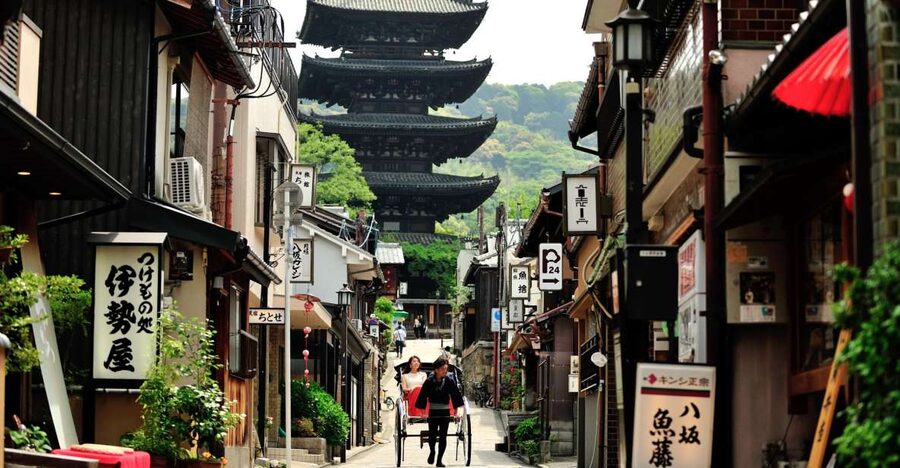
Sakura season can make Kyoto’s famous streets feel crowded and hurried. A rickshaw changes the pace. You are not weaving through the lanes with a phone in one hand and a map in the other. Instead, you can look up at the blossoms, listen to your guide, and let someone else handle the route.
That slower pace matters in Higashiyama. The district is best appreciated in pieces: a dark wooden facade, a narrow lane climbing toward a temple, a glimpse of blossoms above tiled roofs, or a quiet turn away from the main flow of people. A walking tour can offer the same sights, but the rickshaw gives you a raised seat and a clear view while covering more ground.
Your guide pulls the rickshaw through the neighborhood and points out details that are easy to miss. The tour is not just a scenic loop. It gives the old streets some context, including the role of the Gion area and its connection to geisha culture.
The experience is private, so the guide can adjust the conversation to your interests. If you care about architecture, ask about the wooden townhouses. If you want cultural background, ask about Gion. If photographs matter most, use the planned stops to get the camera out without blocking the narrow streets.
More Private Tuk Tuk Tours in Japan
- Kyoto: Private Rickshaw Tour of Gion and Higashiyama Area
★ 5.0 · 144 reviews - Miyajima: Private Rickshaw Tour to Itsukushima Shrine
★ 4.9 · 45 reviews - Private Miyajima Rickshaw Tour Including Itsukushima Shrine
★ 5.0 · 32 reviews
Meeting at Ichinenzaka and Nene Street
You meet your guide on the corner of Ichinenzaka and Nene Street. This is an important detail because Higashiyama has many small lanes and several nearby sights. Do not rely on a vague arrival plan. Search Google Maps for Ebisuya Higashiyama Rickshaw, and check your confirmation email for the JPG map and photograph of the exact meeting place.
The meeting area puts you close to the traditional streets that make this part of Kyoto so appealing. You can expect wooden buildings, shops, and old-style facades nearby, but the key point is to arrive with enough time to identify the corner.
The rickshaw is 74 centimeters wide, or about 21.1 inches. That is fairly narrow, especially for two adults seated together. The booking information allows up to two adults per rickshaw, but you may find separate rickshaws more comfortable if each person wants more room.
For one or two participants, one rickshaw is provided. A group of three or four receives two rickshaws. If you have five or more people, or if each participant wants an individual rickshaw, contact the operator about another arrangement and a possible fare difference.
The Higashiyama ride: wooden houses and old lanes
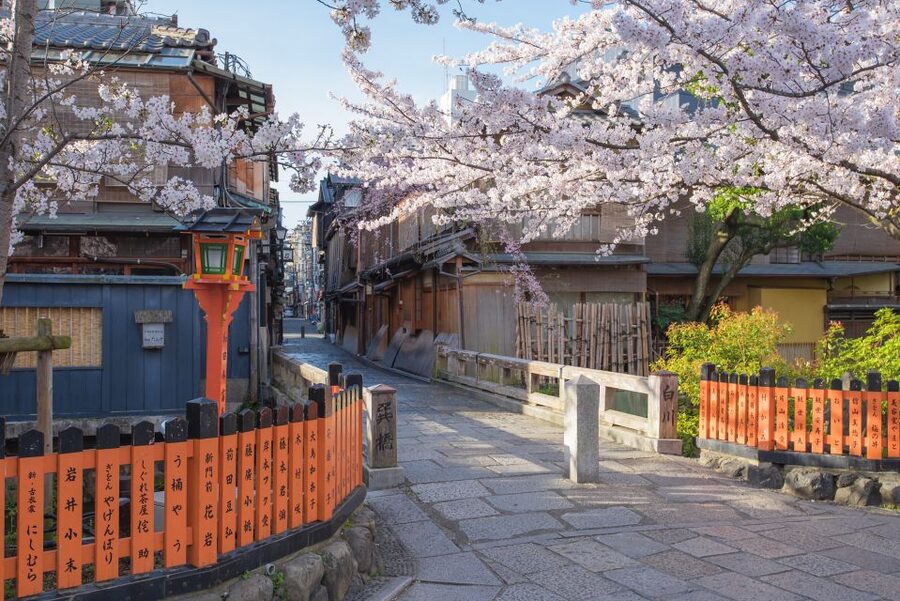
The heart of the tour is Higashiyama, one of Kyoto’s best areas for traditional streetscapes. Your guide pulls you through a neighborhood filled with preserved wooden townhouses and small shops. These buildings give the ride its sense of place. You are not simply passing a series of modern streets with blossoms added for the season.
The old townhouses are especially attractive in spring. Pink and white flowers soften the darker wood, tiled roofs, and narrow lanes. The contrast is what makes the photographs work: delicate blossoms above a cityscape shaped by traditional construction.
A rickshaw also lets you enjoy the view without constantly checking where to step. That sounds minor, but the lanes around Higashiyama can be busy, and the pavement is not the best place to stop for every photograph. Your guide handles the movement while you take in the buildings and seasonal color.
This part of the trip is best for people who want a gentle introduction to Kyoto’s historic center. You get a broad look at the district, but the ride does not replace a full temple visit or a long walking day. Think of it as a well-chosen route through the neighborhood, with commentary and photo pauses built in.
Gion and the stories behind geisha culture
The route passes through the Gion area, where your guide explains parts of geisha culture. That information adds value because Gion can be easy to reduce to picturesque streets and closed wooden doors. A good explanation helps you understand why the neighborhood has such a careful, traditional appearance.
The available guide languages are English and Japanese. Two previous bookings specifically praised the guides for clear English, attention to detail, and stories about the geisha district. One booking also described the guide as especially helpful and good at communicating in English. Those comments suggest that the guiding, rather than transport alone, is a major part of the experience.
I would use this section of the ride to ask questions. You can ask your guide to explain what you are seeing, rather than treating Gion as a backdrop for photographs. The tour is private, so there is less pressure to keep quiet or save every question for the end.
You should also keep your expectations sensible. The information provided does not promise entry into private buildings, a geisha performance, or a meeting with a geisha. You see the district and hear stories about its culture as you pass through. That is still useful, but it is different from a dedicated cultural lecture or evening entertainment.
Same streets, seen from a different seat:
- Tokyo Asakusa Rickshaw Tour
★ 5.0 · 1,375 reviews - Kyoto: Arashiyama Customized Rickshaw Tour & Bamboo Forest
★ 5.0 · 432 reviews - Kyoto Arashiyama Rickshaw Tour with Bamboo Forest
★ 5.0 · 354 reviews - Kyoto Rickshaw Tour
★ 5.0 · 210 reviews
Cherry blossoms above the streets
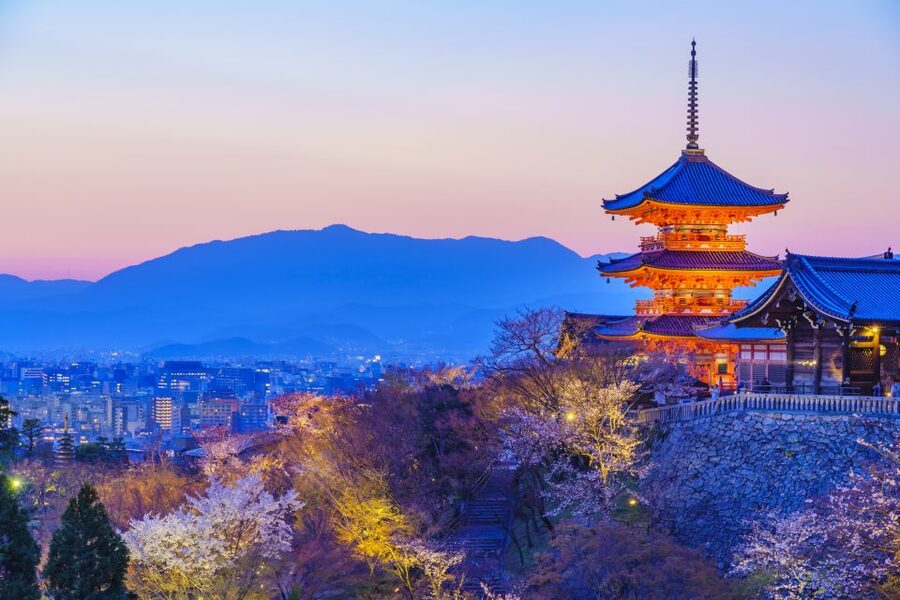
The central seasonal reward is the blossom view. During the right week, trees can make parts of the sky and city seem pink and white. From a rickshaw, you have time to watch the canopy pass above you rather than simply stopping beneath one famous tree.
The operator selects dates using earlier bloom patterns and current estimates, but no tour can guarantee full bloom. Kyoto’s cherry trees may open early, late, or unevenly from one neighborhood to another. You should book this with a little flexibility in mind.
This uncertainty is the biggest issue for anyone planning the tour around a single perfect photograph. If full bloom is essential, the booking carries some risk. If you mainly want Kyoto’s historic streets with the possibility of blossoms, the timing is easier to accept.
The tour includes photo stops at attractive points along the route. These pauses are useful because you can take pictures without trying to photograph everything from a moving seat. Bring a phone or camera that is easy to handle, but leave the selfie stick at home because selfie sticks are not allowed.
The 70-minute choice or the 120-minute outing
The 70-minute option is the practical choice if your schedule is tight. It gives you a private ride through the historic area, cherry-blossom views, cultural commentary, and stops for photographs. I would choose this length if you already plan to visit Kiyomizu-Dera separately or want a pleasant introduction before moving on to another part of Kyoto.
The 120-minute option gives the outing more breathing room. The longer tour includes a stop where you walk among the cherry blossoms at World Heritage Kiyomizu-Dera Temple. That changes the feel of the experience. You are not only viewing the temple area from the rickshaw route, but also getting out to see the blossoms on foot.
Kiyomizu-Dera is a useful addition for anyone who wants a stronger temple connection. You can enjoy the rickshaw ride, then spend time walking through one of Kyoto’s major historic sights. The tradeoff is time. Two hours is a larger block in a busy sightseeing day, and you may want comfortable shoes for the walking portion.
I prefer the longer option for a first visit during sakura season, especially if you have not planned a separate Kiyomizu-Dera visit. The shorter tour makes more sense for repeat visitors, families with a packed schedule, or anyone who mainly wants the old streets and a few good photographs.
What the private price really buys you
The listed price is $125 per group up to one participant, but the exact total can depend on the number of people and the selected option. Since one rickshaw carries up to two adults, two people can share the ride, subject to the seating limits and the booking rules. Check the final price before paying, particularly if your group has more than two participants.
The value is not simply the rickshaw. You are paying for a private guide, a planned route through a difficult-to-navigate historic district, photo stops, and attraction entrance fees. The private format is useful if you want to ask questions or set a comfortable pace without joining a large group.
For one person, the price is harder to justify if you only want transport. The experience makes more sense when you value the guide’s commentary and the private setting. For two people sharing one rickshaw, the cost can feel more reasonable because you receive a personal tour rather than a basic ride.
Food and drinks are not included, and there is no hotel pickup or drop-off. Plan to reach Ichinenzaka and Nene Street on your own. The meeting point is central to the experience, but it means you need to organize that first and last part of the outing yourself.
Seating, families, and physical comfort
The rickshaw is suitable for up to two adults, but the narrow seat deserves attention. At 74 centimeters wide, it may feel close for two larger adults or for anyone who prefers personal space. Booking separate rickshaws can make the ride more comfortable, though a fare difference may apply.
Families have specific rules. Children aged six and above pay the adult or participant price. Up to two children aged five and under can ride with two adults if they sit on an adult’s lap. If a child five or under uses one of the two rickshaw seats, that child must be booked as a full-fare participant.
The experience is listed as wheelchair- and stroller-friendly. That is helpful for families and people using mobility equipment, but the narrow rickshaw and historic streets may still make personal comfort worth discussing when you book.
The tour is not recommended for people with back problems or for pregnant women. It is specifically not recommended during the first 16 weeks of pregnancy. If you are unsure about the ride, choose another way to see Higashiyama rather than treating the rickshaw as a minor physical activity.
How to make the most of the photo stops
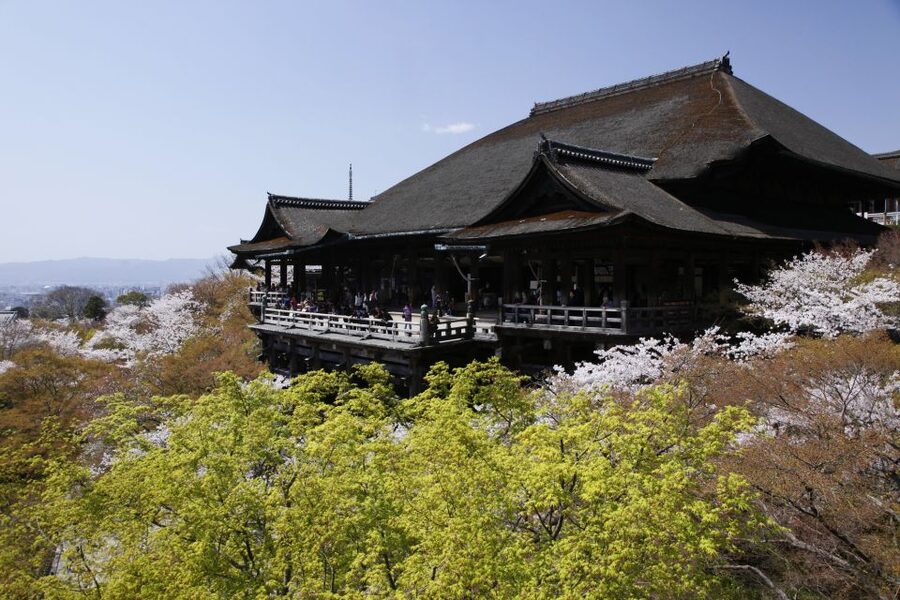
The best photographs here come from combining the blossoms with Kyoto’s older buildings. Look for views where branches frame a wooden townhouse, tiled roof, shopfront, or lane. Your guide can help you identify the designated stops, but you should also pay attention during the ride because the most pleasing view may last only a few seconds.
Keep your equipment simple. A phone is enough for many scenes, and a small camera is easier to manage than a large setup in a narrow vehicle. Selfie sticks are not allowed, so plan for ordinary handheld photographs.
Wear clothing that lets you sit comfortably for the full ride. If you choose the 120-minute option, remember that you will also walk among the blossoms near Kiyomizu-Dera. Comfortable footwear matters more than dressing for a formal event.
The tour is most rewarding when you do not chase only the perfect bloom. Notice the combination of season, buildings, guide commentary, and changing views. Full bloom may not happen, but the historic neighborhood remains the foundation of the outing.
Booking flexibility and practical planning
You can cancel up to 24 hours in advance for a full refund, which is useful when spring weather or your Kyoto plans change. You can also reserve now and pay later, so you do not need to pay at the time of booking.
Starting times vary, so check availability for the date you want. Since cherry-blossom season is one of Kyoto’s busiest periods, it is sensible to choose a time that fits around your temple visits and meals rather than adding the ride as an afterthought.
The guide speaks English or Japanese, and the group remains private. That makes the tour a good fit for couples, small families, and friends who want the same guide and route without a larger party.
The experience provider is Ebisuya Rickshaw. The available rating is 5 out of 5 from three bookings, with particular praise for helpful guides, clear English, attention to detail, and explanations of geisha culture. That is a small sample, so I would treat it as encouraging rather than as proof that every guide or every day will be identical.
Should you book the Higashiyama rickshaw tour?
Book this if you want a private, easy-paced look at Higashiyama during cherry-blossom season and you value cultural explanation as much as photographs. It suits couples, small families, and first-time visitors who want to cover old streets, Gion, and seasonal scenery without spending the entire outing on foot.
Choose the 120-minute option if Kiyomizu-Dera and a walk among the blossoms are important to you. Choose 70 minutes if you mainly want a guided rickshaw ride and need to protect time for other Kyoto sights.
Skip it if you need guaranteed full bloom, have back problems, are pregnant, or dislike close seating. Also think twice if you only want inexpensive transport. The price earns its keep through the private guide, photo stops, route, and cultural context. For the right visitor, this is a graceful way to see Kyoto’s most traditional streets at the city’s most famous time of year.
FAQ
Where does the rickshaw tour meet?
Meet your guide on the corner of Ichinenzaka and Nene Street. Search for Ebisuya Higashiyama Rickshaw on Google Maps, and check your email for the JPG map and photograph of the meeting place.
How long does the tour last?
You can choose a tour lasting 70 minutes or 120 minutes. Check availability for the starting times on your chosen date.
Does the tour include Kiyomizu-Dera Temple?
The 120-minute tour includes a stop to walk among the cherry blossoms at World Heritage Kiyomizu-Dera Temple. The provided information does not specify the same walking stop for the 70-minute option.
Is the rickshaw tour private?
Yes. The tour is for a private group. One rickshaw is provided for one or two participants, and two rickshaws are provided for three or four participants.
How many people fit in one rickshaw?
A rickshaw carries a maximum of two adults. Up to two children aged five and under can ride with two adults if they sit on an adult’s lap.
Are children charged the adult price?
Participant or adult pricing applies to children aged six and above. A child aged five or under must be booked as a full-fare participant if the child uses one of the two rickshaw seats.
Are cherry blossoms guaranteed to be in full bloom?
No. The dates are selected using previous years and current estimates, but full bloom cannot be guaranteed.
What languages are available for the guide?
Live guides are available in English and Japanese.
Can I cancel the booking?
You can cancel up to 24 hours in advance for a full refund. The activity also offers a reserve-now, pay-later option.
More Rickshaw Tours in Japan
- Tokyo: Asakusa Sightseeing Tour by Rickshaw
★ 4.9 · 195 reviews - Kamakura Rickshaw Tour
★ 5.0 · 53 reviews - Asakusa, Tokyo: Rickshaw Experience and Highlights Walking tour
★ 5.0 · 47 reviews - [60 minutes] Rickshaw tour around Asakusa [Complete Asakusa tour/power spots]
★ 5.0 · 38 reviews
Newly added rides around Japan
- Kamakura Rickshaw Tour★ 5.0 · 53 reviews
- Rickshaw Tour of Kagoshima’s Historical and Cultural Sites★ 5.0 · 4 reviews
- Kamakura Heritage Bike or Walk Tour with ex-Rickshaw guide★ 5.0 · 11 reviews
- Hakodate Rickshaw Tour★ 5.0 · 18 reviews
- [60 minutes] Rickshaw tour around Asakusa [Complete Asakusa tour/power spots]★ 5.0 · 38 reviews
- [30 minutes] Rickshaw tour around Asakusa [History, sightseeing, Tokyo Skytree]★ 5.0 · 38 reviews
- Tokyo: Asakusa tour by rickshaw★ 4.9 · 11 reviews
- Tokyo Vegan Tour : Miso Making, Tea Ceremony, Rickshaw Ride★ 5.0 · 2 reviews
Kyoto Tuk Tuk Tours: the nearest alternatives
Kyoto: Arashiyama Customized Rickshaw Tour & Bamboo Forest
Read our review →
Kyoto: Private Rickshaw Tour of Gion and Higashiyama Area
Read our review →
Kyoto:Kiyomizu-dera Temple Rent a kimono and ride a rickshaw
Read our review →Tuk tuk lists that include it