
Review · KYOTO
Kyoto: Private Rickshaw Tour of Gion and Higashiyama Area
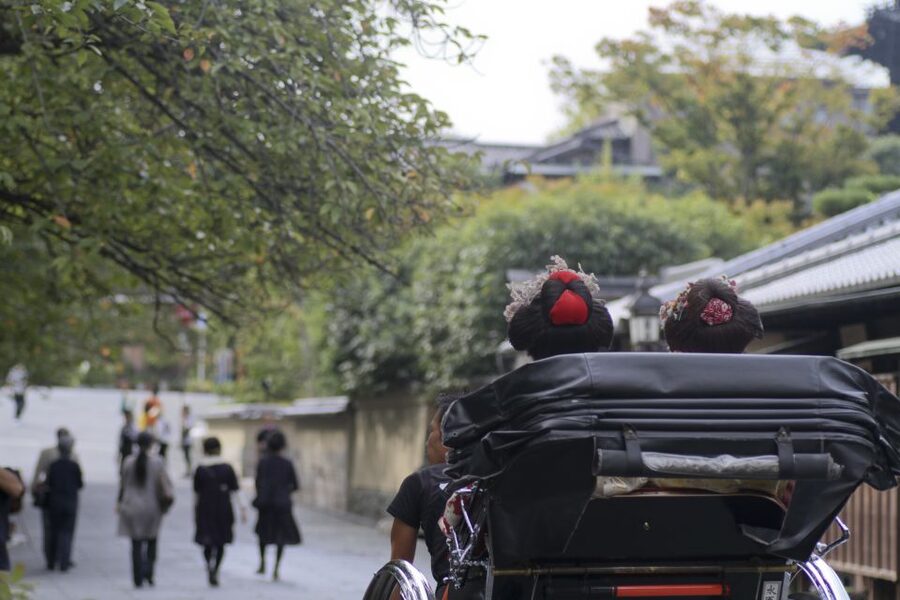
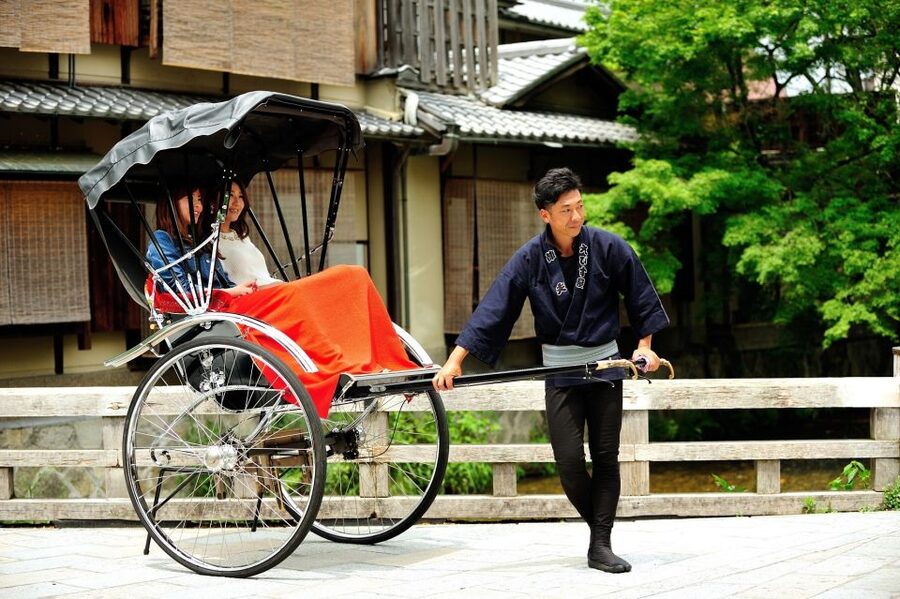
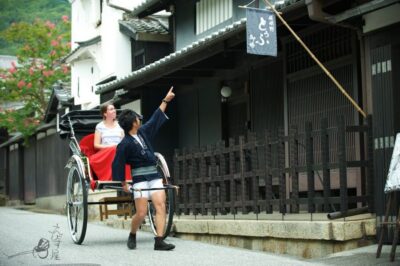
Kyoto’s old streets are even more memorable from the seat of a rickshaw. Your guide pulls you through Higashiyama’s narrow lanes, past wooden townhouses, temple grounds, small shops, and the Gion entertainment district. You get a moving tour, a local storyteller, and a photographer in one.
I like the private format, which lets you ask questions and adjust the route to your interests. I also like the photo stops. Guides such as Fumi, Kai, Moto, and Daichi have been praised for choosing good angles and taking creative pictures, so you do not have to spend the whole ride trying to frame yourself.
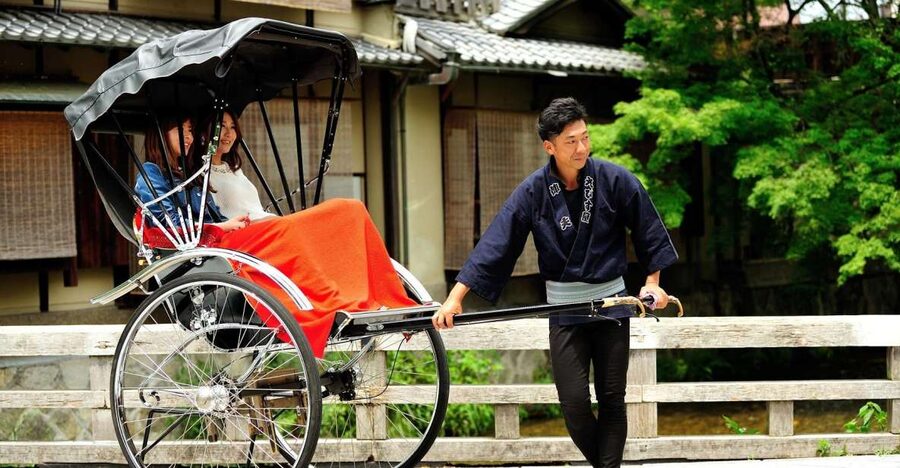
The main consideration is space. Each rickshaw is only 21.1 inches, or 74 centimeters, wide, and the seat is best suited to one average-size adult. A 45-minute ride gives you a pleasant introduction, but you may wish you had booked longer if Kyoto’s old quarters grab you.
Key points to know before you book
- Meet beside Kodaiji Temple: The starting point is on the corner of Nene Street and Ichinenzaka Street in Higashiyama.
- Choose your pace: Options begin at 45 minutes, with longer rides reaching 130 minutes and, depending on the selected option, up to 3 hours and 10 minutes.
- Expect a private ride: Your party has its own guide, so you can ask questions and request a route suited to your interests.
- Photo stops are part of the experience: Guides regularly pause at scenic streets and viewpoints and can use your phone for pictures or short videos.
- Two adults usually need two rickshaws: The seats are narrow, and the operator recommends individual rickshaws when that will be more comfortable.
- Children have specific seating rules: Up to two children aged 5 and under may ride with two adults, one child on each adult’s lap.
Why a rickshaw works so well in Higashiyama
Higashiyama is one of Kyoto’s most rewarding areas for a first look at the city. It has temples, old wooden buildings, stone and cobbled streets, small stores, and lanes that still feel tied to Kyoto’s past. It is also one of the city’s busiest sightseeing zones, so walking here can mean weaving around crowds while trying not to miss the details.
A rickshaw changes the experience. You sit above the street with a clear view, while your guide handles the route and points out details as you go. You can concentrate on the buildings and stories instead of checking a map every few minutes.
The ride begins near Kodaiji Temple, in a historic part of Higashiyama. This is a useful meeting point because it puts you close to Nene Street and Ichinenzaka, two of the area’s most atmospheric stretches. Expect traditional buildings, shops, sloping lanes, and plenty of places where your guide may pause for photographs.
You are not simply being transported from one sight to another. The guide explains Japanese customs, local history, and the role of the surrounding neighborhoods. The quality of the experience depends heavily on your guide, but the strongest matches have included Moto, Shiro, Fumi, Daichi, Kai, Yoshito, Takumi, Shinya, and Atsuki. Their styles differ, yet the repeated strengths are clear: friendly conversation, solid English, careful driving, and an ability to explain what you are seeing without turning the ride into a lecture.
More Private Tuk Tuk Tours in Japan
- Miyajima: Private Rickshaw Tour to Itsukushima Shrine
★ 4.9 · 45 reviews - Private Miyajima Rickshaw Tour Including Itsukushima Shrine
★ 5.0 · 32 reviews - Kamakura: Private History and Heritage Tour by Rickshaw
★ 4.9 · 7 reviews
Starting near Kodaiji Temple and Nene Street
The meeting point is on the corner of Nene Street and Ichinenzaka Street, beside Kodaiji Temple. Check the location carefully, since this voucher is not valid for the operator’s separate Arashiyama branch.
From here, you enter one of Kyoto’s best-known historic areas. The setting is attractive from the first minute, but it can also be crowded and hilly. That is one reason the rickshaw is useful. You get a short break from walking while still moving through the heart of the district.
The guide may explain the traditional wooden townhouses and the way old streets fit around temples, shops, and entertainment areas. These details are easy to pass without noticing when you are walking alone. A good guide also gives you a sense of what to look for later in your Kyoto visit.
The first photo stops are likely to focus on the character of the streets rather than a single grand monument. That is part of the charm. Wooden façades, shopfronts, narrow lanes, and temple approaches create the images that make Higashiyama feel distinct from modern Kyoto.
From wooden townhouses to the Gion district
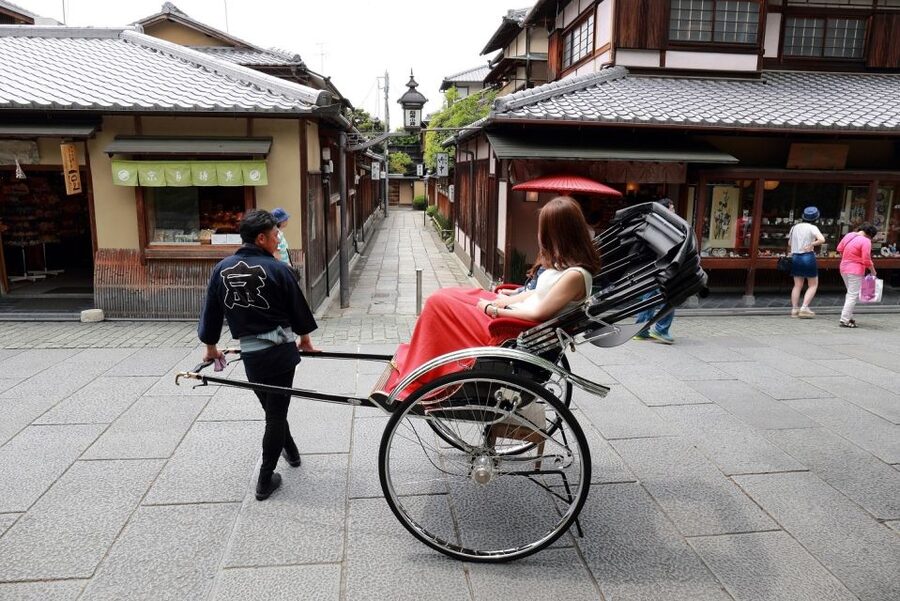
The route continues through the traditional quarters toward Gion, Kyoto’s famous geisha district. The area is associated with tea houses, traditional entertainment, and streets lined with older buildings. Your guide can explain the difference between geisha and maiko and help you understand the district without treating it like a stage set.
You might see maiko or geisha moving through the area, but sightings are never something to book the tour around. The value is the setting and the chance to learn about the district’s customs. You may also see people dressed in rented kimono, which can look similar at a glance. A respectful guide can help you tell what you are seeing.
Gion is best appreciated slowly. From a rickshaw, you can take in the rooflines, entrances, willow trees, and narrow streets without stopping every few steps. The guide can also point out areas that are easy to miss if you only visit the most famous lanes.
This is where a private tour has an advantage over a large group. You can ask why a street matters, how the entertainment district developed, or what behavior is appropriate around working geisha districts. You are not locked into a set commentary delivered to ten or twenty people.
What the longer routes add
The 45-minute option is designed as an introduction. It can give you a taste of Higashiyama and Gion, with explanations and several photo opportunities. If your time is limited, this short version makes sense, especially at the start or end of a Kyoto sightseeing day.
The 70-minute option gives you more breathing room. One guide, Togo, was specifically praised for offering route choices within the booked time, and this is the kind of flexibility that makes a private ride useful. You can focus on Gion, spend more time in Higashiyama, or ask for a balance of both.
The longer rides continue through more of Higashiyama and into northern Gion. You may pass a picturesque river lined with weeping willows, see additional old streets, and visit the area around ancient temples. The exact route can be customized, so tell your guide what matters most before setting off.
If this is your first visit to Kyoto, I would favor at least 70 minutes if your budget allows. The shorter ride covers the basic idea, but the longer options give the guide time to explain the city and stop for photographs without making every pause feel rushed.
The longest advertised choice reaches 3 hours and 10 minutes. That is a different kind of outing. It gives you time to cover more ground and see several parts of the old city, but you should think about your comfort before choosing it. You remain seated, yet the rickshaw still travels over narrow streets and uneven surfaces. Anyone with back problems may find a long ride uncomfortable.
Same streets, seen from a different seat:
- Tokyo Asakusa Rickshaw Tour
★ 5.0 · 1,375 reviews - Kyoto: Arashiyama Customized Rickshaw Tour & Bamboo Forest
★ 5.0 · 432 reviews - Kyoto Arashiyama Rickshaw Tour with Bamboo Forest
★ 5.0 · 354 reviews - Kyoto Rickshaw Tour
★ 5.0 · 210 reviews
The guides make or break the experience
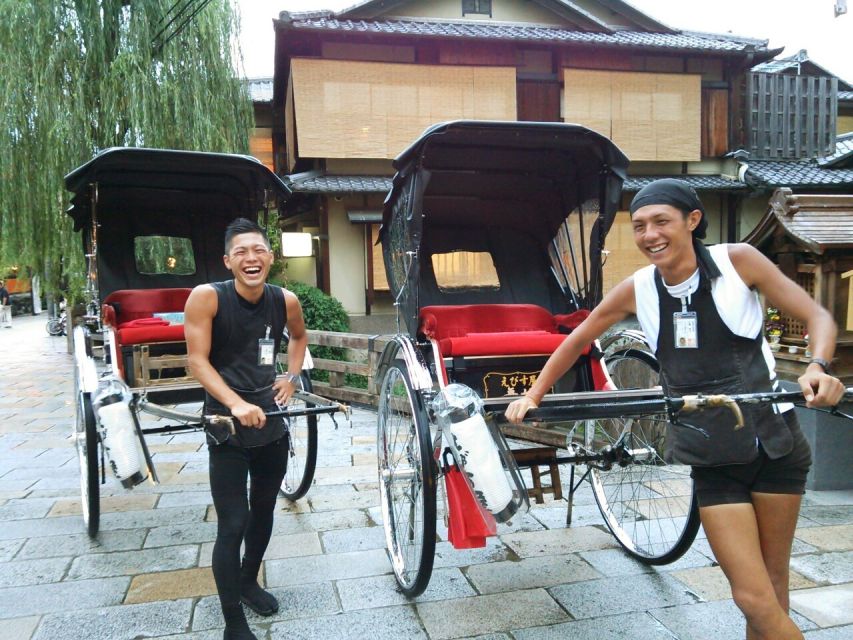
The operator is Ebisuya Rickshaw, and your guide serves as driver, host, local interpreter, and photographer. That is a lot of responsibility for one person, but the strongest guides handle all four roles well.
Moto has been praised for fluent English, easy conversation, and a strong sense of local history. Shiro is known for clear explanations and a friendly manner. Fumi has been singled out for safe driving, humor, and creative photographs. Daichi has been particularly good at adjusting the route and showing less obvious places.
Other named guides include Shintaro Hutakeyna, Suzuki-san, Takuto, Shuhei, Msei, Hina, Yoshito, Kai, Takumi, Shinya, Atsuki, and Yamamoto. You cannot request a particular guide based on the information provided, but the repeated pattern is encouraging: the guides are expected to speak English or Japanese, explain the area, and adapt the ride to your questions.
English ability can vary by person, but many guides have been praised for speaking clearly and answering questions well. If a guide’s explanation is especially important to you, mention your interests at the start. Ask for temple history, local customs, architecture, photography, or geisha culture rather than waiting for the guide to guess what you want.
The guides also appear to take pride in the physical work. Pulling a rickshaw through Kyoto’s narrow and sometimes steep streets requires strength and control. You should still be considerate: keep the ride comfortable, avoid bringing excessive luggage, and follow instructions when getting in or out.
Photo stops, phones, and useful keepsakes
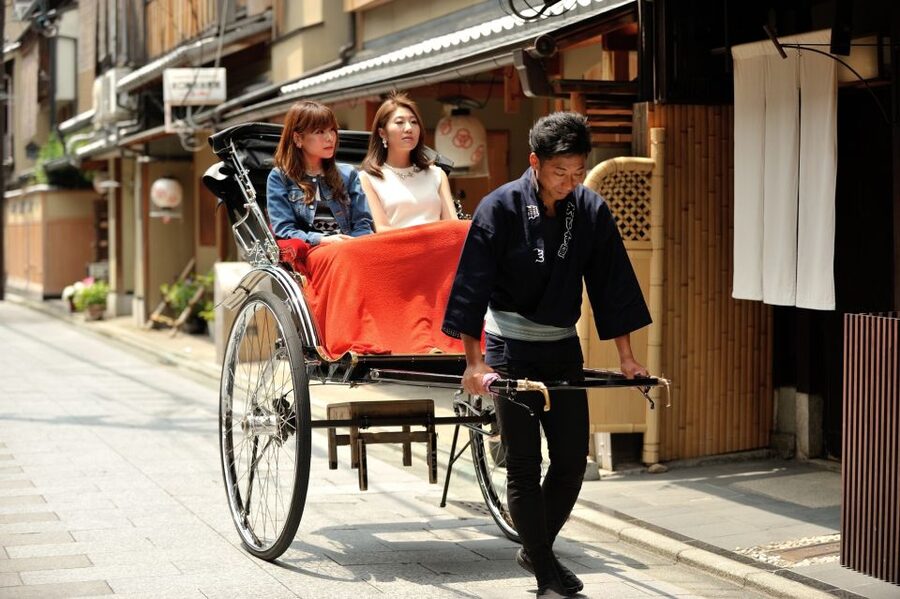
Photography is one of the strongest practical reasons to book this ride. The guide can stop at scenic points and take pictures of your group, which solves a common problem for couples and families. You will not have to hand your phone to a stranger or settle for a distant selfie.
Some guides have used a guest’s phone to make a short video of the ride. Others have taken creative photographs at several stops. The tour also includes a souvenir postcard and sticker, small items but pleasant reminders of the outing.
Selfie sticks are not allowed. Bring a phone or camera if you want your own copies, and make sure you have enough storage and battery before meeting the guide. The provided information does not promise professional camera equipment or a fixed number of edited images, so think of the photography as a helpful part of the tour rather than a separate photo shoot.
The best photo stops are not always the grandest ones. A quiet wooden lane, a temple approach, a willow-lined river, or the edge of a traditional street can say more about Kyoto than a crowded landmark. Tell your guide if you prefer family pictures, couple portraits, architecture, or quick snapshots.
Is $51 per person good value?
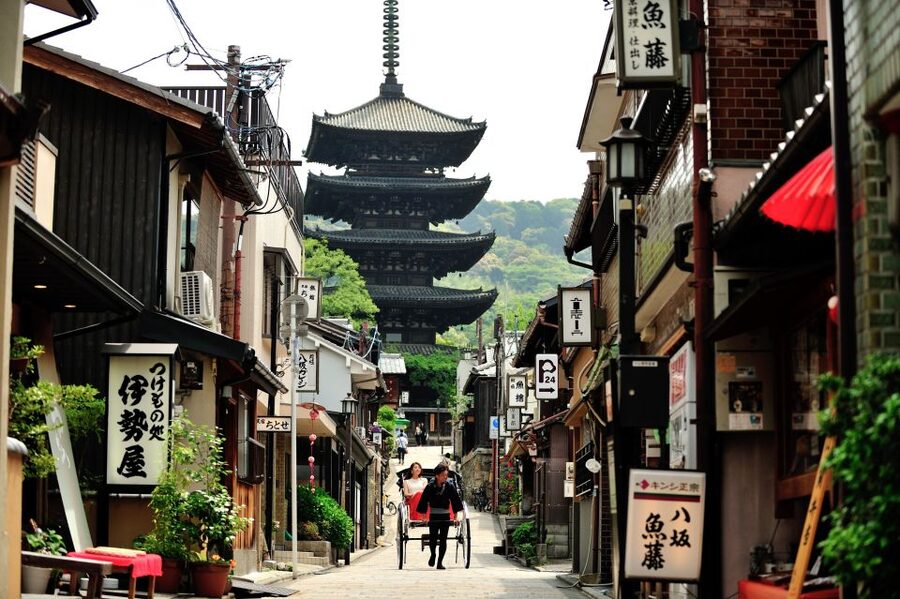
At $51 per person, the short ride is not the cheapest way to see Higashiyama. You can walk through the area for free, and Kyoto has many inexpensive buses and trains. The question is what you want the money to provide.
You are paying for a private guide, a distinctive mode of transport, local explanations, planned photo stops, and a route that can be adjusted to your interests. For a couple, honeymooners, older family members, or anyone who wants a relaxed overview before exploring alone, that combination can be worthwhile.
The value becomes clearer when walking is difficult or when you have only a short time in Kyoto. One person described the ride as a way to see much more of the local area despite mobility problems. The rickshaw does not replace a full temple visit, since entry fees are not included, but it can connect several areas without exhausting you before lunch.
For a family, calculate carefully. Children aged 6 and over pay the adult price. Up to two children aged 5 and under can ride with two adults, one child on each adult’s lap. If a child aged 0 to 5 occupies one of the two rickshaw seats, that child must be booked as a full-fare adult.
Two average-size adults will generally be more comfortable in separate rickshaws. The seat width is only 21.1 inches, or 74 centimeters. Families of four have used two rickshaws successfully, including children aged 11 and 14, but do not assume one vehicle will comfortably fit two adults.
Weather, comfort, and mobility
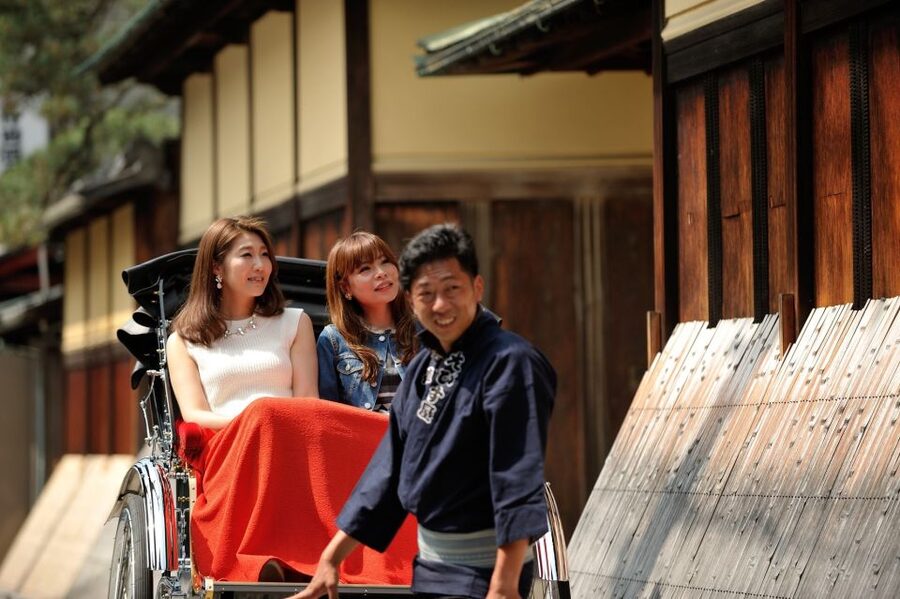
The ride operates in weather conditions where walking might feel less pleasant. One guide, Shuhei, helped make a rainy morning enjoyable and offered useful suggestions for the rest of the day. Still, bring suitable clothing and be prepared for an outdoor experience.
The rickshaw is wheelchair and stroller-friendly, which can make this a practical way to see historic streets. You should confirm your personal needs when booking, since narrow streets and the 74-centimeter vehicle width still matter.
This activity is not suitable for people with back problems, and it is not recommended for expecting mothers during the first 16 weeks of pregnancy. The supplied information also lists pregnant women among those for whom the tour is not suitable, so ask a medical professional if you are uncertain.
Getting in and out of the rickshaw may require care. Once seated, you can enjoy a mostly restful ride, but the route includes narrow and sometimes steep streets. Choose the duration with your comfort in mind rather than simply selecting the longest option.
How to fit the ride into your Kyoto day
I would schedule the tour early in your Kyoto stay. The guide can help you understand Higashiyama and Gion, then suggest other places to visit afterward. Several guides have offered recommendations beyond the ride, which is useful when you are still organizing your time.
A short ride can also work well near the end of a Kyoto trip. It gives you a final look at the old districts without requiring another long walk. The meeting point is central to the Higashiyama sightseeing area, so you can continue exploring temples and shops on foot afterward.
Do not confuse this activity with a complete temple tour. Entry fees are not included, and the rickshaw generally lets you see temples and historic streets from outside unless your guide explains otherwise. Plan separate time for entering major temple grounds.
The tour is private, but it is not a private hotel transfer. Hotel pickup and drop-off are not included. Make your own way to the corner of Nene Street and Ichinenzaka Street beside Kodaiji Temple, allowing time to find the meeting point in the busy historic district.
Who should book this Kyoto rickshaw ride?
I recommend it most strongly for first-time visitors, couples, families, older adults, and anyone who wants context without spending the entire day on foot. It is also a good choice for honeymooners and anyone who values photographs, since the guide can handle the camera work.
You will get the most from it if you enjoy conversation and are willing to tell the guide what interests you. Ask questions, request a preferred balance between Gion and Higashiyama, and say if you want more photos or more history.
I would hesitate if you dislike being the focus of attention, feel uncomfortable with a narrow seat, or want a quiet ride with no commentary. People with back problems and pregnant women should not book this activity based on the stated restrictions.
Final verdict: a good first look at old Kyoto
Book this tour if you want an easy, personal introduction to Gion and Higashiyama, especially if good photographs and local explanation matter to you. The strongest part is the guide-led experience: people such as Moto, Fumi, Shiro, Kai, and Daichi have brought humor, care, and useful detail to the ride.
Choose 45 minutes only if your schedule is tight. I would choose 70 minutes or longer for a first visit, since the extra time lets you slow down, ask questions, and reach more of the old neighborhoods. For two adults, budget for two rickshaws if comfort is important.
The ride is not a substitute for walking Kyoto’s temples or spending time inside Gion’s cultural sites. It is a smart way to get your bearings, rest your feet, learn what you are looking at, and come away with photographs that show you in the scene.
FAQ
Where does the Kyoto rickshaw tour meet?
Meet your guide on the corner of Nene Street and Ichinenzaka Street, beside Kodaiji Temple in Higashiyama.
How long does the rickshaw tour last?
Tour choices begin at 45 minutes. Other options include longer rides, with listed durations reaching 130 minutes and, depending on the chosen option, up to 3 hours and 10 minutes.
Is the tour private?
Yes. This is a private group experience, so your party rides with its own guide.
What languages are available?
Live guides speak English or Japanese.
What is included in the price?
The price includes a private rickshaw tour, a guide, photo stops, a souvenir postcard, and a sticker.
Are food, drinks, and temple entry fees included?
No. Food, drinks, hotel pickup, hotel drop-off, and entry fees are not included.
Can children ride in the rickshaw?
Children aged 6 and over are charged the adult price. Up to two children aged 5 and under can ride with two adults, with one child on each adult’s lap. A child aged 0 to 5 using one of the two rickshaw seats must be booked as a full-fare adult.
Is the tour suitable for people with mobility or health concerns?
The tour is wheelchair and stroller-friendly, but it is not recommended for people with back problems or pregnant women. It is also not recommended for expecting mothers during the first 16 weeks of pregnancy. Each rickshaw is 21.1 inches, or 74 centimeters, wide.
More Rickshaw Tours in Japan
- Tokyo: Asakusa Sightseeing Tour by Rickshaw
★ 4.9 · 195 reviews - Kamakura Rickshaw Tour
★ 5.0 · 53 reviews - Asakusa, Tokyo: Rickshaw Experience and Highlights Walking tour
★ 5.0 · 47 reviews - [60 minutes] Rickshaw tour around Asakusa [Complete Asakusa tour/power spots]
★ 5.0 · 38 reviews
Newly added rides around Japan
- Kamakura Rickshaw Tour★ 5.0 · 53 reviews
- Rickshaw Tour of Kagoshima’s Historical and Cultural Sites★ 5.0 · 4 reviews
- Kamakura Heritage Bike or Walk Tour with ex-Rickshaw guide★ 5.0 · 11 reviews
- Hakodate Rickshaw Tour★ 5.0 · 18 reviews
- [60 minutes] Rickshaw tour around Asakusa [Complete Asakusa tour/power spots]★ 5.0 · 38 reviews
- [30 minutes] Rickshaw tour around Asakusa [History, sightseeing, Tokyo Skytree]★ 5.0 · 38 reviews
- Tokyo: Asakusa tour by rickshaw★ 4.9 · 11 reviews
- Tokyo Vegan Tour : Miso Making, Tea Ceremony, Rickshaw Ride★ 5.0 · 2 reviews
Kyoto Tuk Tuk Tours: the nearest alternatives
Kyoto: Arashiyama Customized Rickshaw Tour & Bamboo Forest
Read our review →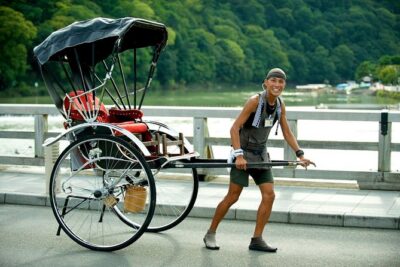
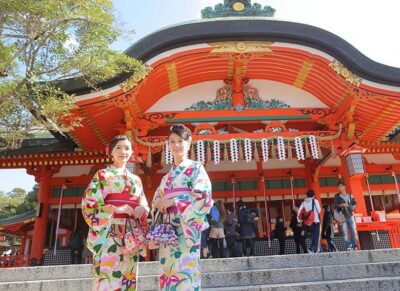
Kyoto:Kiyomizu-dera Temple Rent a kimono and ride a rickshaw
Read our review →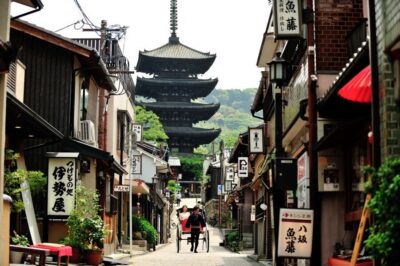
Tuk tuk lists that include it